Exhibition preview·Tokyo
Tokyo turns a decommissioned expressway into an art festival, with YOSHIROTTEN leading the first edition
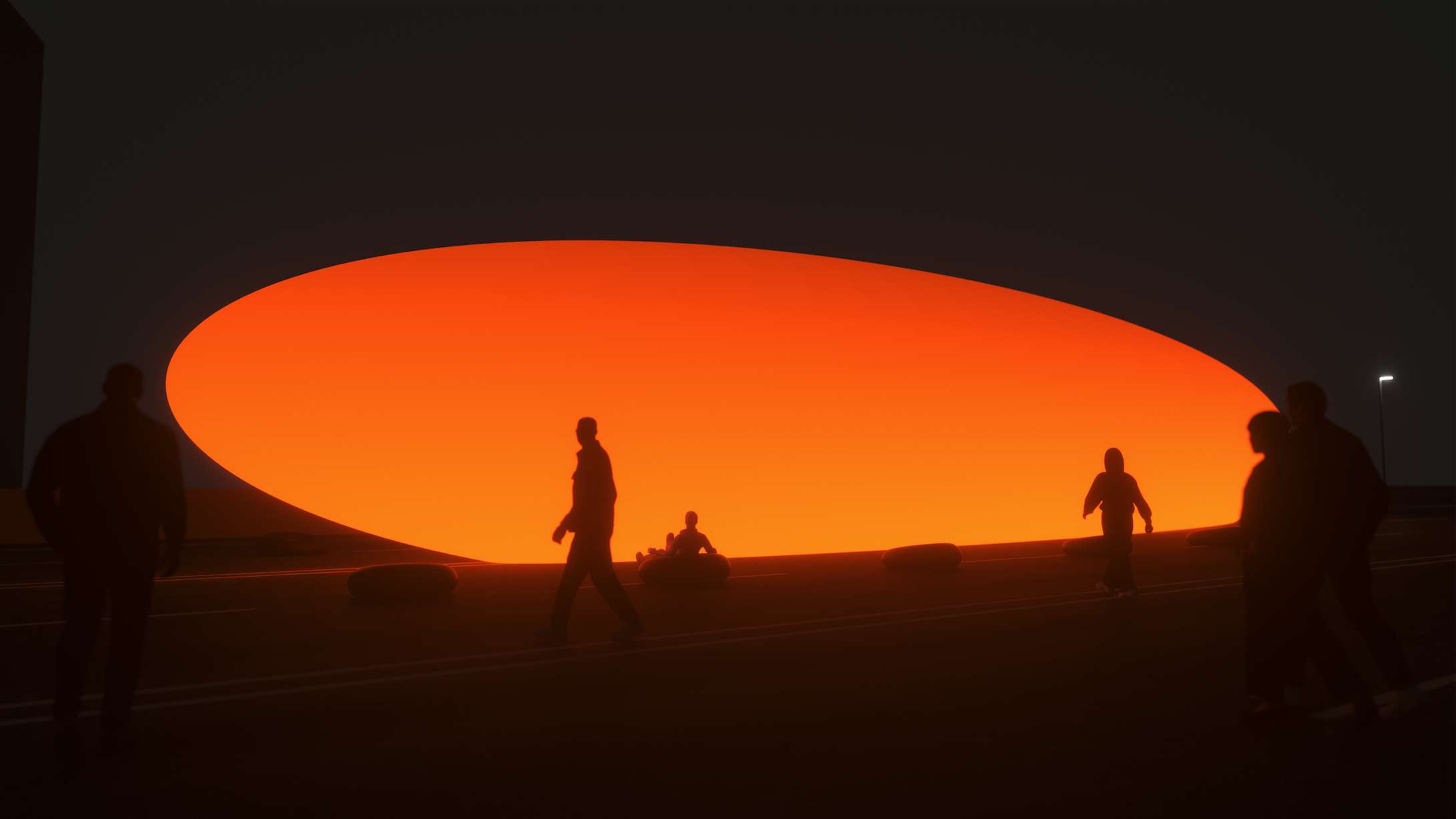
Roof Park Art Fes 2026 will stage installations and circus performances on Tokyo's closed KK expressway from November 21 to 29, the first art event in the city's plan to convert the 60-year-old highway into a pedestrian green space. YOSHIROTTEN creates the main installation.
Tokyo is about to turn a dead motorway into an art venue. The Roof Park Art Fes 2026 will take over the decommissioned KK Line, a roughly two-kilometre elevated expressway that once carried cars between Kyobashi, Ginza and Shimbashi, for nine days from November 21 to 29. After nearly six decades in service, most of the highway was shut down in April 2025, and the city is now working to convert it into a pedestrian green space called the Roof Park Project. This festival is the first art event staged inside that regeneration effort.
The headline commission comes from graphic artist YOSHIROTTEN, working under the concept "INVISIBLE – A signal of River," an exploration of making invisible things visible. His installation will project photographs tied to the site's past onto the roadbed and include a piece stretching about 40 metres, layering the afterglow of Tokyo's night skyline over the weathered concrete of the old carriageway. Alongside it, the Setouchi Circus Factory will stage contemporary circus performances, using the exposed deck and its unusual acoustics as a stage.
The KK Line is an unlikely cultural site with a dramatic backstory. Built for cars in the 1960s, the elevated structure snakes above some of the most expensive real estate in Japan. Since its closure, planners have pitched the corridor as Tokyo's answer to New York's High Line — a rare chance to hand prime urban infrastructure back to walkers. Holding an art festival there before the landscaping is finished gives audiences a last look at the raw, industrial structure.
Details on the full programme are still emerging, but the announcement positions the festival as a test case for how Japanese cities can reuse obsolete transport infrastructure culturally rather than simply demolishing it. If the November edition draws crowds, the Roof Park Project's art programming may become a recurring fixture on the city's autumn calendar.


