Exhibition preview·New York
The Morgan looks at Rembrandt through the migrants and exiles of his Amsterdam
The Morgan Library & Museum's Rembrandt's Lions, open 23 October to 31 January 2027, gathers drawings, etchings and paintings to show how migrants, exiles and refugees shaped the world and work of the Dutch master.
The Morgan Library & Museum has opened an exhibition that reframes Rembrandt as an artist of a city built by newcomers. Rembrandt's Lions: Art and Exile in the Dutch Republic, on view from 23 October 2026 to 31 January 2027, brings together drawings, etchings and paintings, many of them from the Morgan's own holdings, to trace the presence of migrants, immigrants, exiles and refugees in seventeenth-century Amsterdam.
Rembrandt is often treated as the quintessential Dutch artist, yet the Dutch Republic of his lifetime was newly formed, and the meaning of Dutchness was still being worked out. In his day, roughly six in ten of Amsterdam's residents had been born elsewhere, and the exhibition argues that this fact is visible across his work, from portraits and group scenes to biblical stories of flight and displacement. A nocturnal Flight into Egypt from around 1651, for example, gains a different charge when seen beside his depictions of the immigrants of his own time.
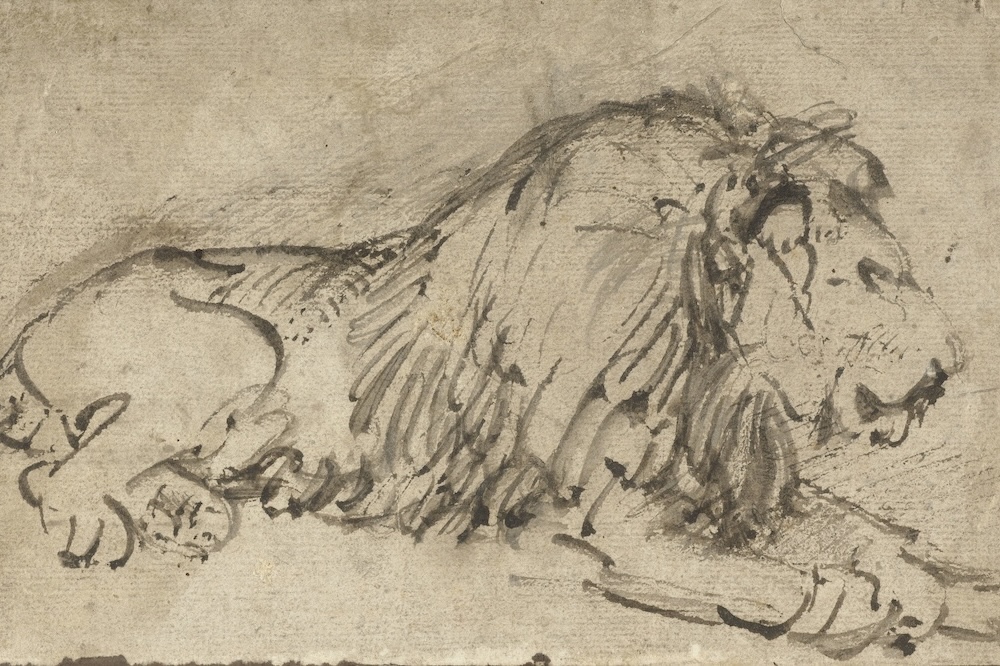
The show draws on the Morgan's celebrated collection of Rembrandt etchings, the largest and finest in North America, assembled largely by J. P. Morgan himself and added to over the past century, with loans from the Rijksmuseum and elsewhere. Lions recur throughout, not only as animals but as emblems of the city and of the people passing through it, from the magnificent exceptions to the ordinary exiles Rembrandt observed with a sharp and sympathetic eye.
Director Colin B. Bailey has presented the exhibition as a fresh look at a thoroughly studied artist through a modern lens, one that treats migration not as a footnote to Rembrandt's career but as a condition of it. By placing diaspora and displacement at the centre, the Morgan offers a Rembrandt whose relevance extends well beyond art history, into questions about belonging and movement that remain urgent today.


