Exhibition preview·Brooklyn
Thirteen Months After a Five-Alarm Fire, Red Hook's Open Studios Festival Proves Its Artists Are Still There
Brooklyn's Red Hook Open Studios returned for its 11th edition on October 10 and 11, thirteen months after a five-alarm fire damaged a historic Van Brunt Street warehouse that housed many artists. Organizers say displaced artists have resettled nearby and the neighborhood's creative community remains intact.
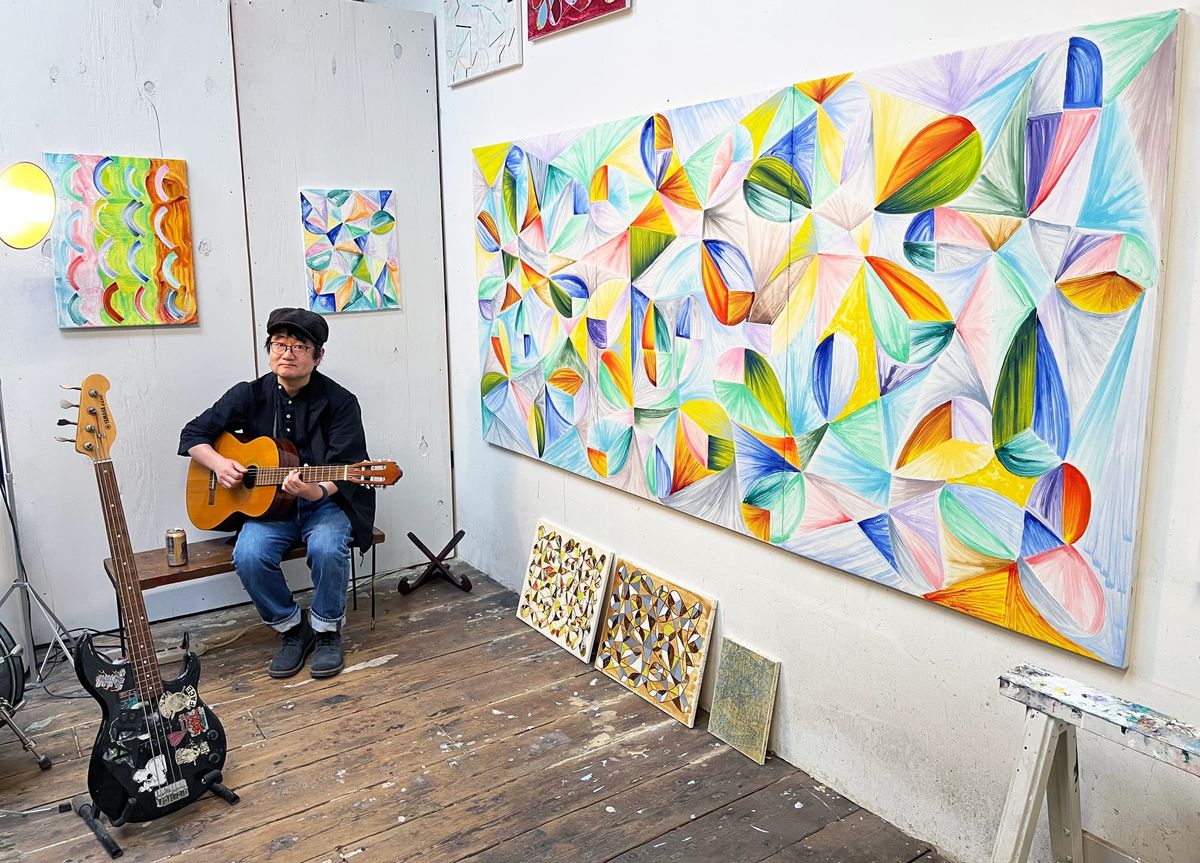
The Brooklyn waterfront neighborhood of Red Hook held its 11th annual open studios festival on October 10 and 11, marking the community's first return to the event since a five-alarm fire tore through part of a historic warehouse on Van Brunt Street nearly 13 months earlier. The blaze had fueled doubts about whether the area's artist community would hold together, but the weekend's turnout dispelled them, with hundreds of makers and artists opening their doors across the neighborhood. The Civil War-era warehouse at the center of the fire remained under a partial vacate order, its street frontage hidden behind a green construction shed just before the pier. Some of the artists who lost studios in the fire have since moved into workspaces in nearby buildings closer to the Brooklyn-Queens Expressway, while others stayed put in structures that escaped fire and water damage. Festival co-coordinator Deborah Ugoretz, whose own studio survived, told Hyperallergic that many residents were surprised to hear the festival was still happening, assuming every maker in Red Hook had been affected. The edition unfolded as a modest but defiant celebration of the neighborhood's creative life. Painters, printmakers, and sculptors welcomed visitors into studios and workshops, while the Kentler International Drawing Space staged its annual benefit exhibition alongside the festival. Hyperallergic documented painter Kunihiko Maehara at work in his Van Brunt Street studio, one of the spaces that remained active through the recovery. For organizers, the weekend served as a corrective to the narrative that the fire had scattered the neighborhood's artists. Ugoretz said that despite the damage, hundreds of makers still live and work in Red Hook, and the festival's return was proof that the community had not been pushed out for good.