Exhibition preview·Munich
Rebecca Ackroyd's 'Floaters' turns memory into dreamlike sculpture in Munich
Rebecca Ackroyd's solo show 'Floaters' at Deborah Schamoni in Munich gathers new paintings, sculptures and images built from personal memory and found imagery, closing with the artist's first performance, 'Frank's Daughter', on 26 November.
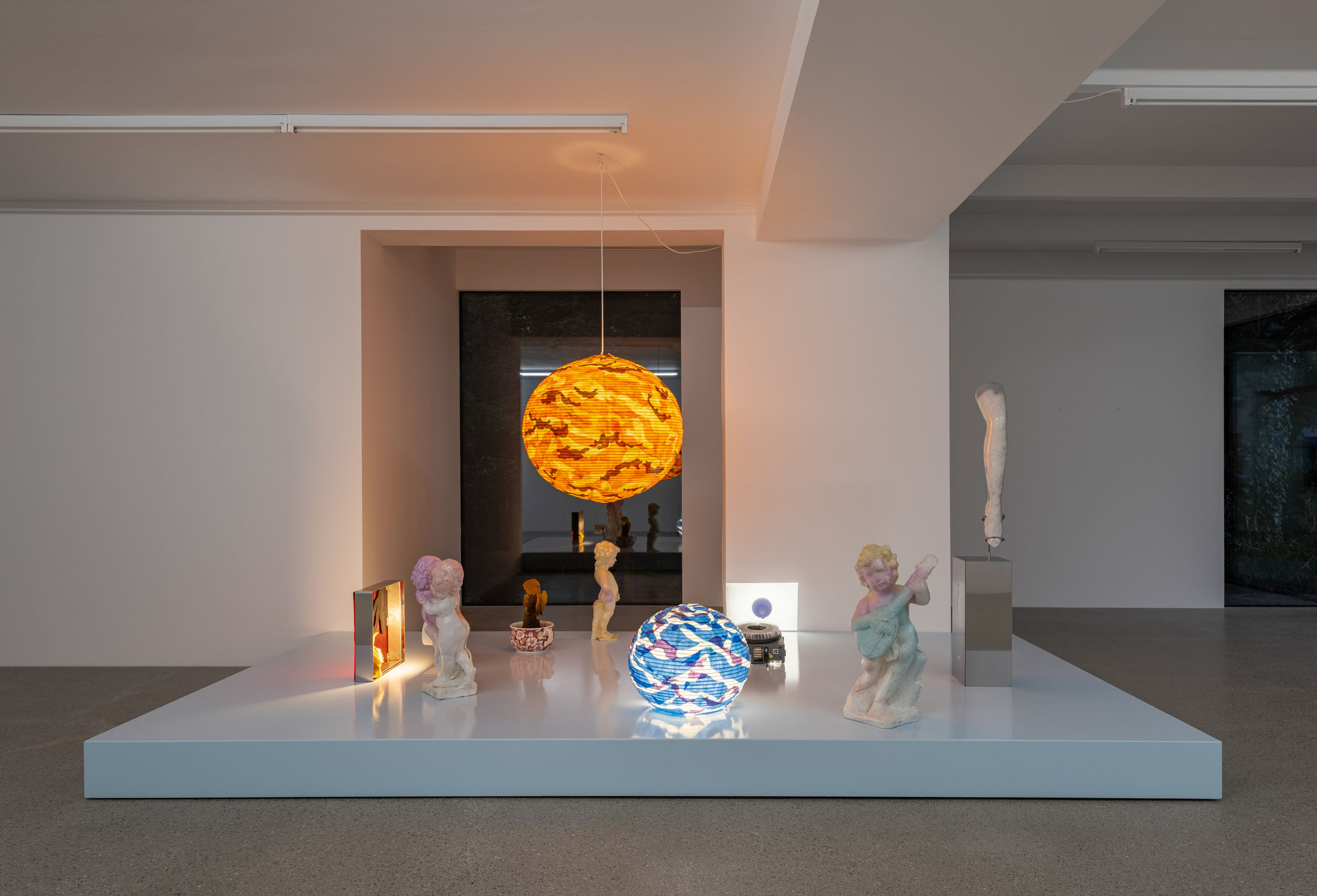
Rebecca Ackroyd has filled Deborah Schamoni's Munich rooms with a new body of work that treats memory as something unstable and constantly rebuilt. Titled Floaters, the solo exhibition brings together recent paintings, sculptures and images drawn from the artist's own recollections alongside pictures gathered from elsewhere. Family photographs, children's sticker albums, astronomical charts and microscopic views sit side by side, so that the familiar and the strange share the same surface.
The domestic is the show's starting point, but it never stays domestic for long. A washing machine gives way to a night sky. A radiator carries hearts and a unicorn borrowed from a sticker album. Tools drift around one another like parts of an unfamiliar planetary system, while bodily forms curl and loop between the anatomical and the abstract. Stars, hearts and flowers appear next to camouflage, a pattern Ackroyd strips of its military purpose and turns into something light and almost decorative, though its uneasy history is never fully erased.
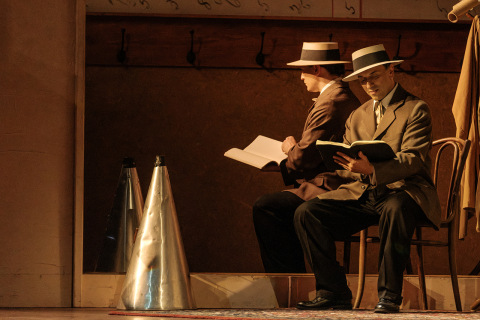
The same logic governs the exhibition's closing event. On 26 November, Ackroyd will stage Frank's Daughter, the first performance she has written, inside the gallery. Built from stories belonging to the artist, her mother and her aunt, the piece carries the show's interest in memory and inheritance into spoken language, voice and the body, retelling personal histories so they can be passed on changed.
Ackroyd was born in Cheltenham in 1985 and now lives and works in Berlin. Her work has been shown widely in Europe, and Floaters follows a solo presentation in Seoul earlier this year. Deborah Schamoni, founded in Munich in 2013, has built its programme around emerging international artists, and the gallery has staged several of Ackroyd's first presentations in Germany.