Profile·Global
Puerto Rican artist Rafael Ferrer, jazz drummer turned shape-shifting maker, dies at 93
Rafael Ferrer, the Puerto Rican artist whose six-decade practice spanned Surrealism, Minimalism, Expressionism and conceptual art, has died at 93, El Museo del Barrio confirmed.
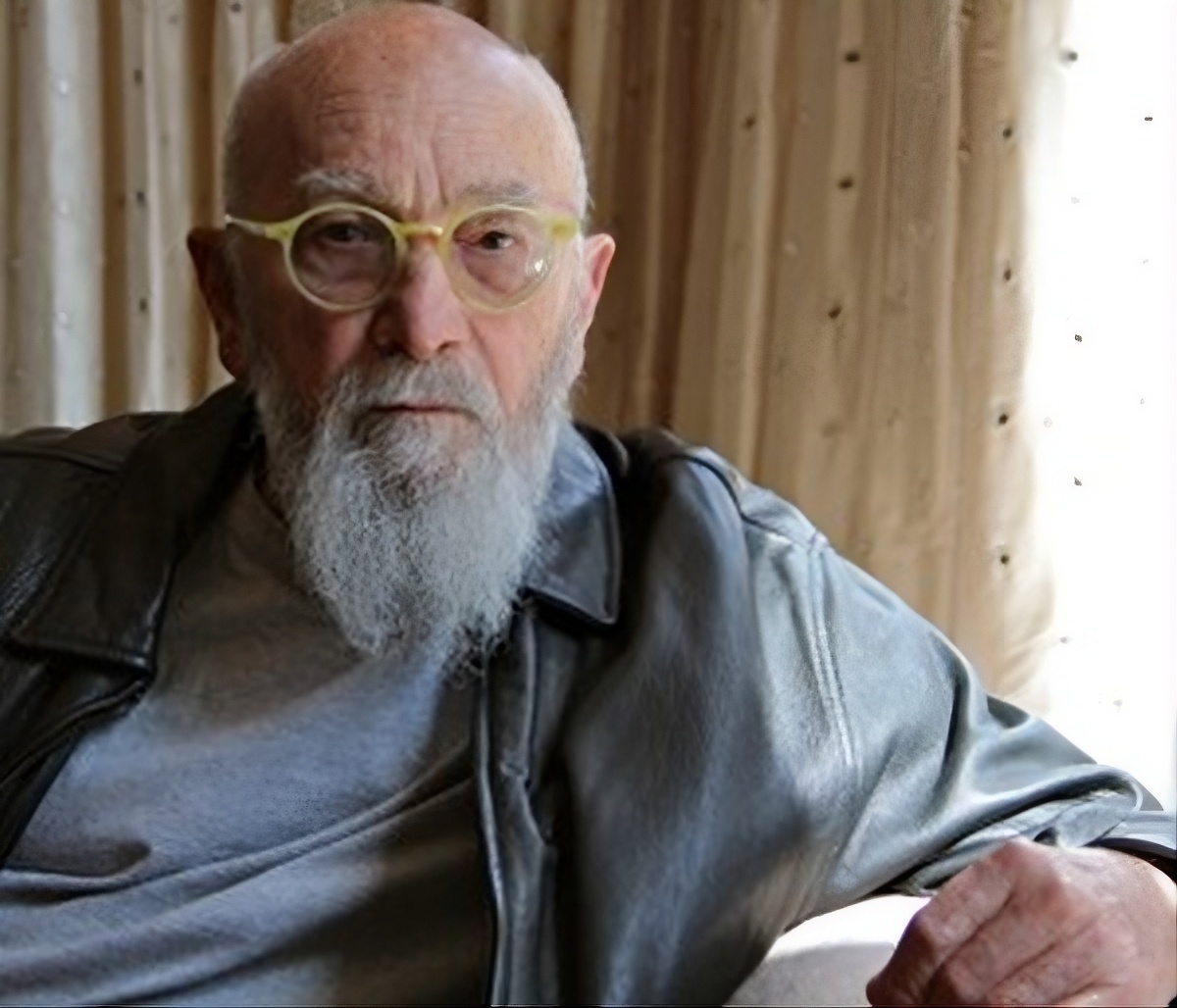
Rafael Ferrer, the Puerto Rican artist whose restless practice moved between Surrealism, Minimalism, Expressionism and conceptual art across more than six decades, has died at 93. His death was confirmed by New York's El Museo del Barrio in an Instagram post remembering his extraordinary creativity and lasting contributions to contemporary art. Ferrer began as an Afro-Caribbean jazz drummer in 1950s New York bands, and the improviser's instinct never left him. Born in San Juan in 1933, he studied at Syracuse University and, in 1954, under the exiled Spanish Surrealist Eugenio Fernandez Granell at the University of Puerto Rico before travelling to Paris, where he fell in with Andre Breton's circle and befriended Wifredo Lam. Back in the United States he taught at Philadelphia College of Art and engaged with Post-Minimalist and Process art, staging guerrilla works including Three Leaf Pieces (1968), which dumped a truckload of leaves in three Manhattan galleries, and 50 Cakes of Ice (1970), which left 300-pound blocks of ice melting in MoMA's sculpture garden. Major early-1970s shows at the Philadelphia Museum of Art and the Whitney Museum might have cemented a career in sly institutional provocation, but Ferrer pivoted to figurative painting, and in the 1980s began depicting Caribbean life in brightly coloured works that defied tourist cliches. He also made large public works, including the 25-foot archway Puerto Rican Sun (1979) in the South Bronx and El Gran Teatro de la Luna (1981) in Philadelphia's Fairhill Square Park. A 2010 retrospective at El Museo del Barrio, where then-director Julian Zugazagotia praised work troubling any preconceived idea of what an artist of Puerto Rican birth is or should be, sparked renewed attention. Ferrer spent his later years between Greenport, Long Island, and Vieques, Puerto Rico, making blackboard drawings, collages and portraits of old musician friends. The half-brother of actor Jose Ferrer, he leaves a practice that refused every category offered to it.