Exhibition preview·New York
Dean Sameshima Turns a Decade of Porn-Cinema Tickets into a Record of Vanishing Queer Spaces
Dean Sameshima's new show The Intervals, at PAGE in New York and Dracula's Revenge through 19 December, turns silkscreen prints of admission tickets he collected at Berlin's porn cinemas over ten years into an archive of queer spaces that are fast disappearing.
Dean Sameshima has spent three decades photographing places where queer life happens behind unmarked doors, from the sex clubs of Silver Lake in Los Angeles to the last porn cinemas of Berlin. His new solo show, The Intervals, now at PAGE in New York and Dracula's Revenge through 19 December, turns that habit into its subject: silkscreen prints built from admission tickets he collected at Berlin cinemas over the past ten years.
Each ticket is a small record of change. Sameshima notes that the number of venues printed on the cards has fallen between 2015 and 2025, while prices have climbed, and that the signatures of the staff who sold them have changed over time. In the prints, the tickets sit in grid-like arrangements over faint ghost images left by earlier print runs, so that past works show through the new ones. The artist says the series is driven by a fear of losing something he values, and by a wish to keep a piece of these rooms before they are gone for good.
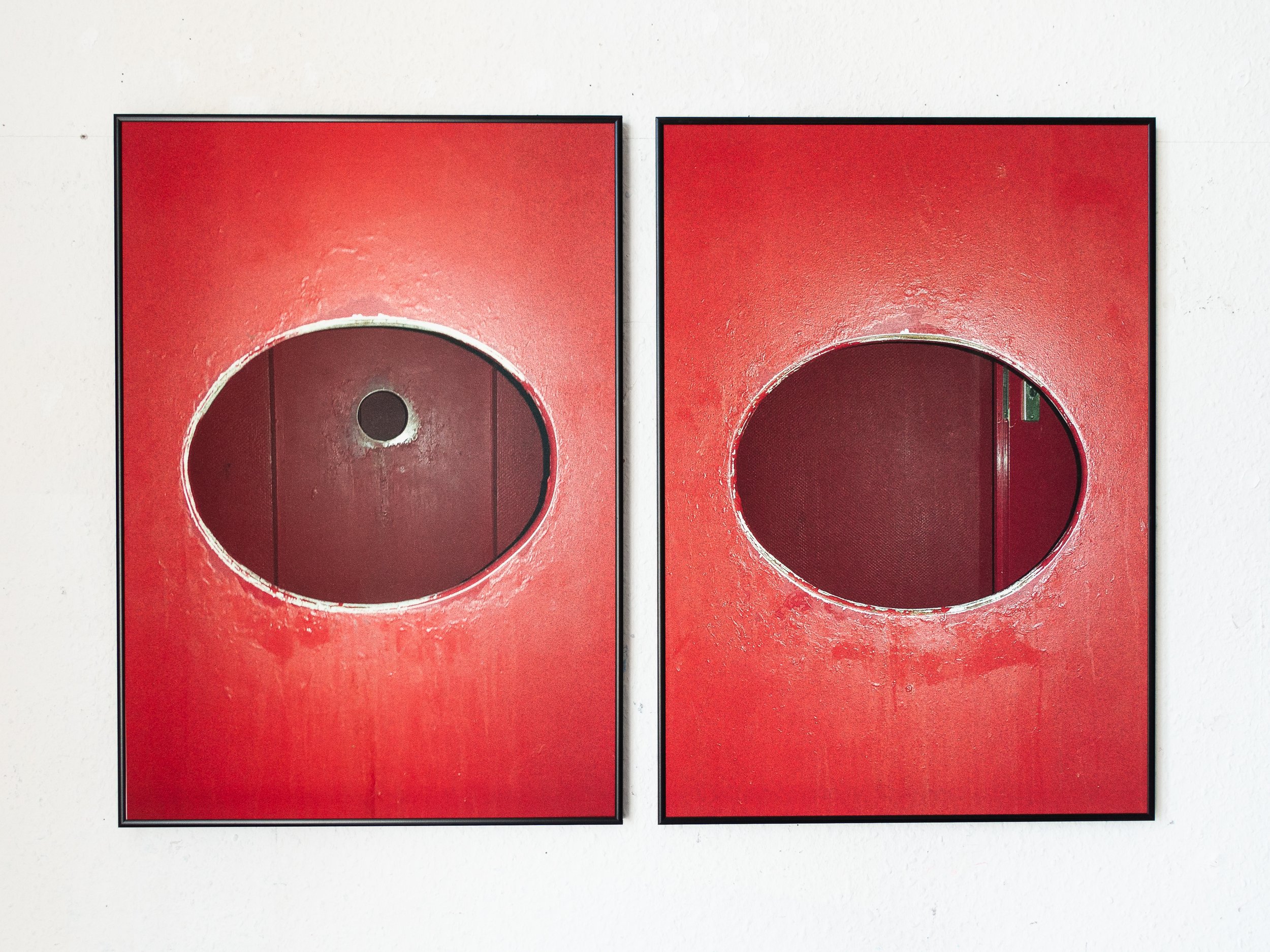
The show extends a practice that has followed the slow closure of Berlin's adult cinemas. In being alone, made in 2022, Sameshima photographed the backs of audience members silhouetted against overexposed screens in the three porn theatres that still survived in the city, shooting on a phone camera and giving the images the grain of high-speed black-and-white film. A year later, Erdbeermund took its name from a shuttered porn theatre and pictured the glory holes inside it.
Speaking to Ocula, Sameshima connects the tickets to Andy Warhol's paintings of a Studio 54 VIP pass, which he reads as a portrait of sexual liberation just before the AIDS crisis. His own tickets, he says, belong to a different moment, after the arrival of PrEP in Berlin in 2017 and the lockdowns of 2020, which emptied the rooms he had been documenting. What remains, he argues, is a collection that began as something personal and now reads as evidence of how a whole social world has thinned out.