Exhibition preview·Madrid
Prado mounts first-ever exhibition of Ricardo de Madrazo, the overlooked draftsman of a prodigious dynasty
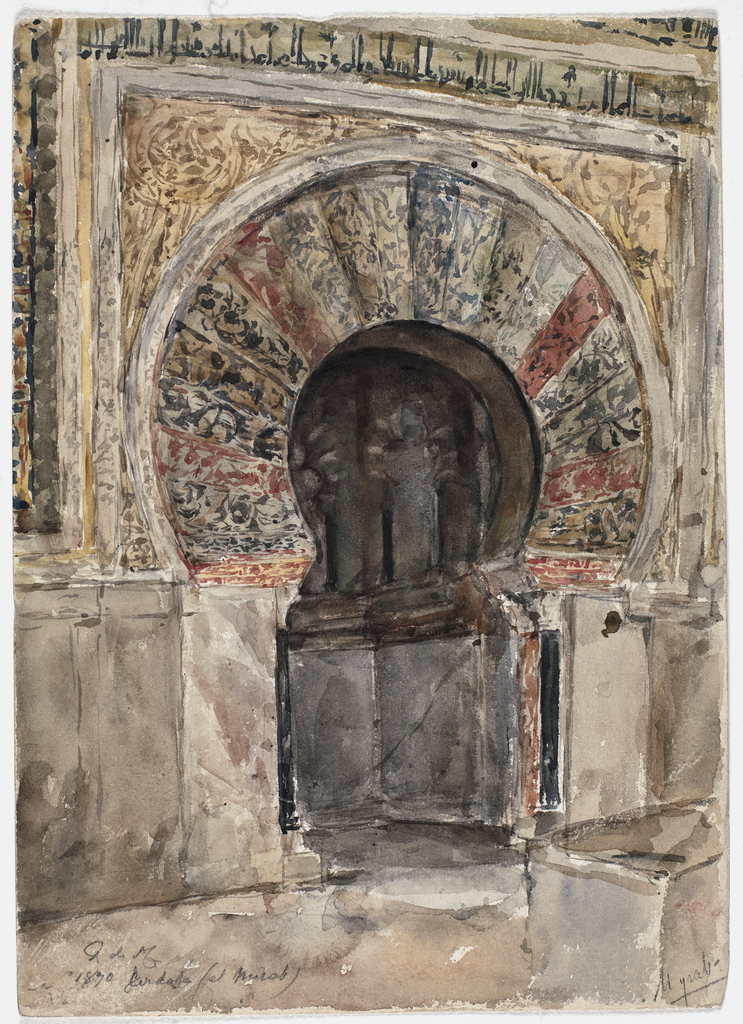
The Museo del Prado has opened the first exhibition devoted to Ricardo de Madrazo (1852–1917), showing 37 drawings, watercolours and diary material alongside the museum's 29 sketchbooks by the artist. On view in Room 60 of the Villanueva building from 13 October 2026 to 17 January 2027, it is curated by Pedro José Martínez Plaza.
The Prado has dedicated an exhibition to an artist from its own founding dynasty whom the museum itself has never exhibited before. 'Ricardo de Madrazo (1852–1917): dibujos y acuarelas' opened on 13 October 2026 in Room 60 of the Villanueva building, in the gallery known as Almacén abierto, and runs until 17 January 2027.
The show gathers 37 works — drawings, watercolours, a self-portrait and the artist's diary from 1894 — of which only two have ever been displayed publicly. Its centrepiece is the Prado's holding of 29 sketchbooks by Madrazo, filled between 1867 and 1917: the museum's second-largest sketchbook collection after the forty albums of Martín Rico. Curated by Pedro José Martínez Plaza, the exhibition reconstructs a career spent in the shadow of more famous relatives.
Ricardo was the son of Federico de Madrazo, brother of Raimundo and brother-in-law of Marià Fortuny — a family that practically defined nineteenth-century Spanish painting. Where his father and brother-in-law commanded the grand manner, Ricardo worked on a smaller, more private scale, and his drawings record a life lived among artists rather than above them. The family workshop, the travel sketchbooks and the artists' circle he moved in all surface in the sheets, which preserve a more intimate history of nineteenth-century Spanish art than the state portraits suggest.
The exhibition's claim is modest and for that reason convincing: that the margins of a prodigious clan can hold their own art-historical interest. For visitors who know the Madrazo name from the Prado's state portraits, this is the first chance to meet the member who drew the family from the inside.


