Museum report·Grenoble
After 60 years shut, Grenoble's 90-metre concrete tower reopens and rewrites restoration rules
A seven-year, €15m restoration has returned Auguste Perret's 1925 tower in Grenoble to its original state, using an unorthodox concrete-spraying technique that challenges long-standing conservation doctrine.
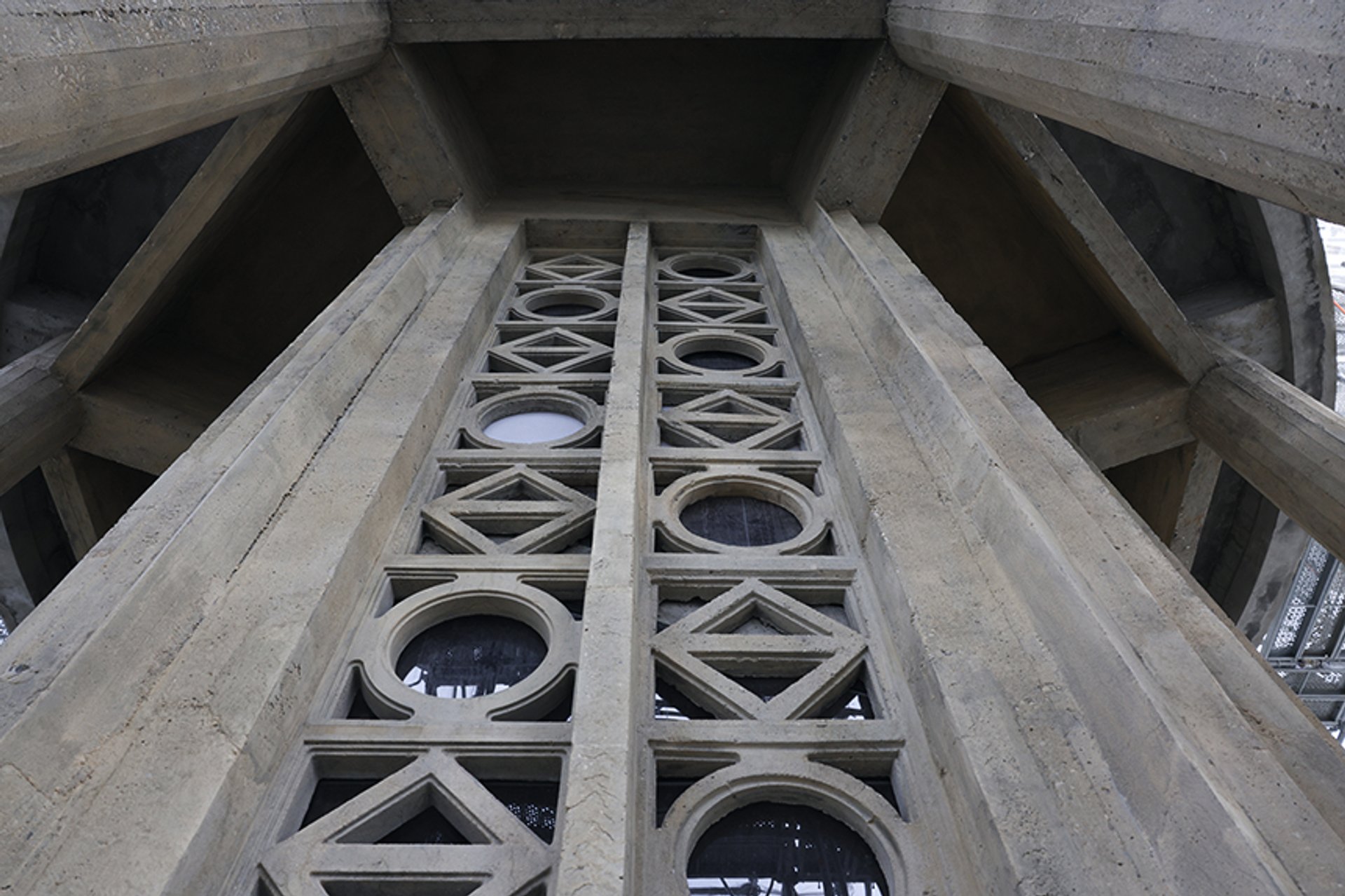
An icon of early reinforced concrete has come back to life in Grenoble. The Perret Tower, a 90-metre beacon built by the concrete pioneer Auguste Perret for the 1925 International Exhibition of Hydropower and Tourism, was closed in 1960 and stood neglected for six decades. This July, a seven-year restoration costing €15m returned the building to its original state, while rethinking how twentieth-century heritage should be renovated.
The tower's troubles came from the material that made it possible. When carbonation in ageing concrete reaches the steel reinforcement, the metal rusts, expands and bursts the surrounding concrete in a destructive cycle. The affliction was everywhere on the tower's pillars, and the usual conservation approach of cutting out and replacing damaged sections could not apply, since concrete must be treated as a whole rather than in pieces.
Before work began, the tower served as a laboratory for concrete decay, monitored for a year as it was exposed to weather, pollution and temperature swings. A two-year full-scale experiment on two pillars then tested four processes, and the one chosen, concrete spraying, was the most intrusive and had never before been used on a heritage project. The technique, more familiar from cliff stabilisation, required removing six centimetres of the original concrete and placing new steel deeper inside the pillars, where it is better protected.
The result challenges dogmas in the 1964 Venice Charter, including the preservation of original materials and the reversibility of interventions. But the project kept faith with Perret's design, using his archive drawings to reproduce the wood-plank marks on the pillars and mixing local cement with sand from Alpine valleys. With 8,000 climbs logged since the July reopening, the tower is on track for around 40,000 visitors a year, most of them local.