Profile·New York
The DIY Performance Space That Went From a Brooklyn Loft to a MoMA Marathon
Pageant, the artist-run performance space founded in 2022 by five young artists in a third-story East Williamsburg loft, has become one of New York's most talked-about DIY venues — capped by a month-long MoMA residency in August that included a seven-hour, 25-performance marathon. A new Hyperallergic feature traces how the space's commitment to confronting, rather than escaping, its conditions turned into a renaissance.
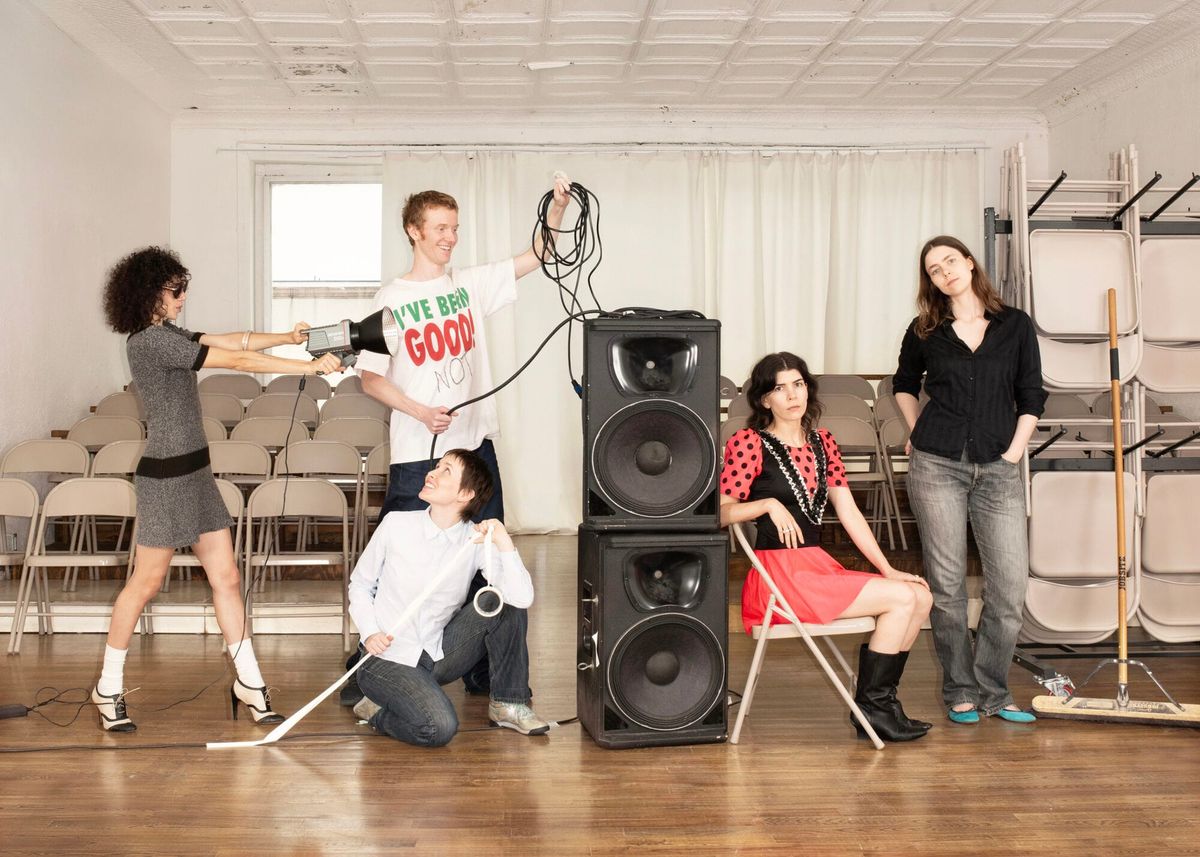
In a city where artist-run spaces flicker in and out of existence, Pageant has managed something unusual: it has become a renaissance story. The East Williamsburg performance space, founded in 2022 by five artists — Sharleen Chidiac, Lili Dekker, Jade Manns, Owen Prum and Alexa West — started in a third-story loft on Graham Avenue in Brooklyn, preceded by a smaller space that Manns and Chidiac ran out of their apartment.
The original impulse was practical rather than institutional. As West describes it, there was initially no clear marketing vision — the space was simply a solution to a shared desire to give context to their practices in a post-Covid landscape where there were few opportunities for artists at their stage to show work. Chidiac adds that the point was never to build an institution: the group needed a room to work, to show their own work and to show other people's.
That modest proposition has carried Pageant a long way. In August, the space held a month-long residency at the Museum of Modern Art, opening with 'MoMAlogue #1': a seven-hour performance marathon of 25 ten-minute pieces. One morning saw choreographer, director and writer Isa Spector attempt the museum's commission to make 'a painting of dance' in ten minutes — writhing across a red-painted platform before being joined by five red-gloved performers, the five co-founders, twirling hand in hand in a living parody of Henri Matisse's 'Dance (I)' (1909), which hangs in the galleries a floor above.
What has drawn attention, beyond the MoMA imprimatur, is the ethos. In a cultural moment skewed toward artifice, Pageant's commitment to confronting rather than escaping its own conditions — the economics, the precarity, the history of dance and visual art colliding — reads as a kind of revival. The space's trajectory from apartment to loft to museum marathon suggests that the DIY model, far from being a placeholder, can be the main event.