Exhibition preview·Singapore
Old gods meet the new city as seven Filipino artists reimagine myth at Ames Yavuz
Ames Yavuz Singapore presents old gods, new city, a group exhibition of seven artists exploring how ancestral belief, folklore and collective memory are reinvented in contemporary Filipino culture. The show runs 21 November to 23 December 2026 at Gillman Barracks.
Seven artists come together at Ames Yavuz in Singapore for old gods, new city, a group exhibition about the reinvention of mythology within contemporary Filipino culture. The show opens on 21 November and runs to 23 December 2026 at the gallery's Gillman Barracks space, asking what survives when inherited traditions meet modern urban life.
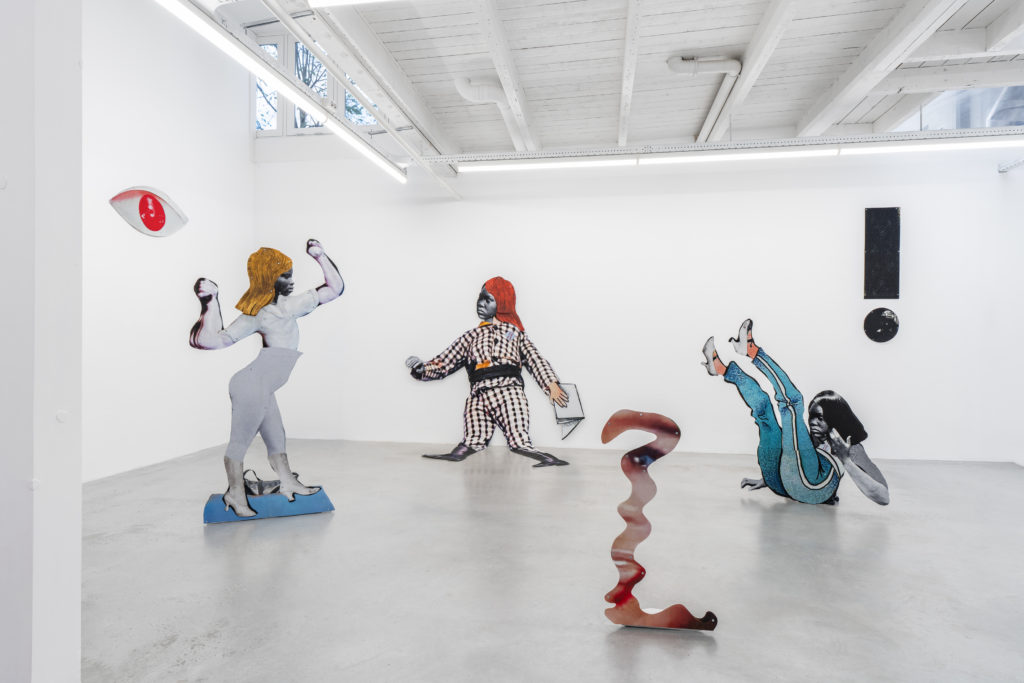
The exhibition treats ancestral belief, folklore and collective memory as living frameworks rather than relics. Bjorn Calleja draws on precolonial animistic traditions: in The Apotheosis a solitary figure is carried by a crowd of peculiar human-like beings, questioning whether the sacred exists on its own or is invented through collective belief. Rocky Cajigan confronts the legacies of colonialism with assemblages of human hair, composite resin teeth, threads and textiles, using the body as a site of identity and memory.
Kaloy Sanchez reimagines the manananggal and the tikbalang, two beings from Philippine folklore, stripping away their monstrous associations to show them as introspective and vulnerable. Derek Tumala turns to Philippine ethnoastronomy, drawing on Balatik, the constellation recognised as a boar trap, and on research with elders near the Tabon Caves in Palawan who still use the stars to guide hunting and farming.
Is Jumalon finds abundance in the unremarkable, painting branches growing from a single garden pot under a watchful moon. Carina Santos lets gravity and gesture shape pour paintings she describes as a form of divine intervention, while Yeo Kaa alchemises everyday encounters into new mythologies, from anthropomorphised dumplings to a sea of identical cartoon figures. Together, the seven artists map a city where the sacred and the profane, the ancient and the contemporary, share the same streets.