Policy brief·United States
Lawsuit Seeks to Halt Oil-Truck Road Threatening Ancient Utah Petroglyphs
Three environmental groups sued on October 6 over federal approval of a road expansion through Utah's Nine Mile Canyon, arguing it endangers Indigenous petroglyphs, historic structures and threatened wildlife.
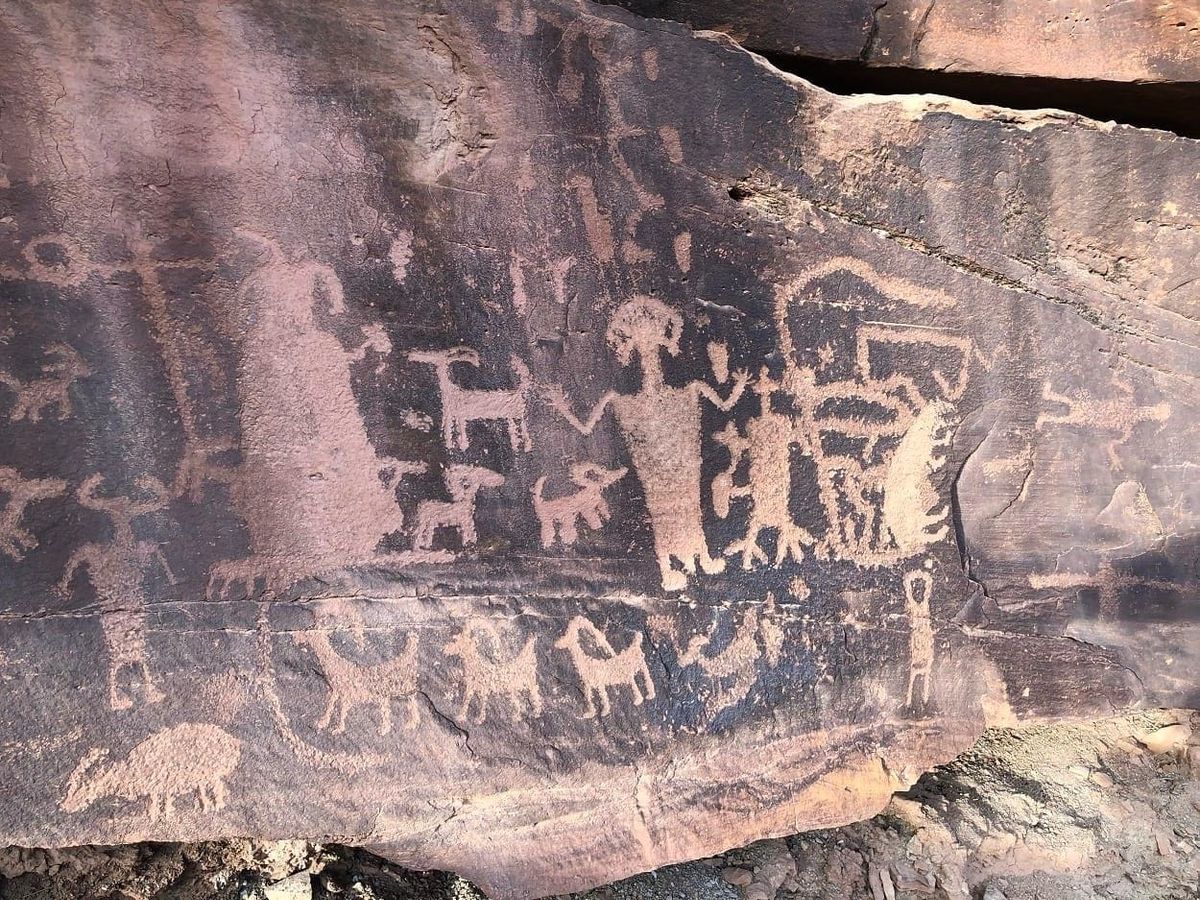
Three environmental groups have joined forces on a lawsuit to stop a road expansion through Utah's Nine Mile Canyon, arguing that the project would damage centuries-old Indigenous petroglyphs, historic structures and the habitats of threatened wildlife. The Southern Utah Wilderness Alliance, the Nine Mile Canyon Coalition and the Center for Biological Diversity filed the complaint on October 6, challenging the Bureau of Land Management's approval of a Duchesne County proposal to widen the existing roadway and speed oil tanker truck transit through the canyon. The groups say the agency failed to analyse and disclose the likely effects of the revised road and the projected increase in traffic on cultural, environmental and historic resources. The complaint also argues that the Bureau did not consult the United States Fish and Wildlife Service about foreseeable harm to endangered and threatened wildlife species, including the Mexican spotted owl, and that the approval violated multiple preservation and land-use laws through procedural omissions. The filing parties further claim that the Trump administration deliberately obscured and sidestepped the approval process and rejected the public's requested involvement in the decision. The Bureau of Land Management declined to comment on the matter, citing pending litigation. Nine Mile Canyon is known for one of the densest concentrations of rock art in North America, with panels of human figures and other imagery left by Indigenous peoples over thousands of years. The case turns that heritage into the centre of a wider dispute about energy transport, public lands and how far agencies must go in weighing cultural and ecological harm before approving infrastructure. If the lawsuit succeeds, it could force a fresh review of the road plan; if it fails, the trucks will roll through a landscape that cannot be rebuilt once its carvings are damaged.