Policy brief·Washington, DC
Protesters Across the US Rally for Accountability in the 'Cornell 7' Case
A Nationwide Day of Action on October 8 drew protesters in Washington, New York and other cities backing a Cornell student known as Jane Doe, following allegations against seven male students.
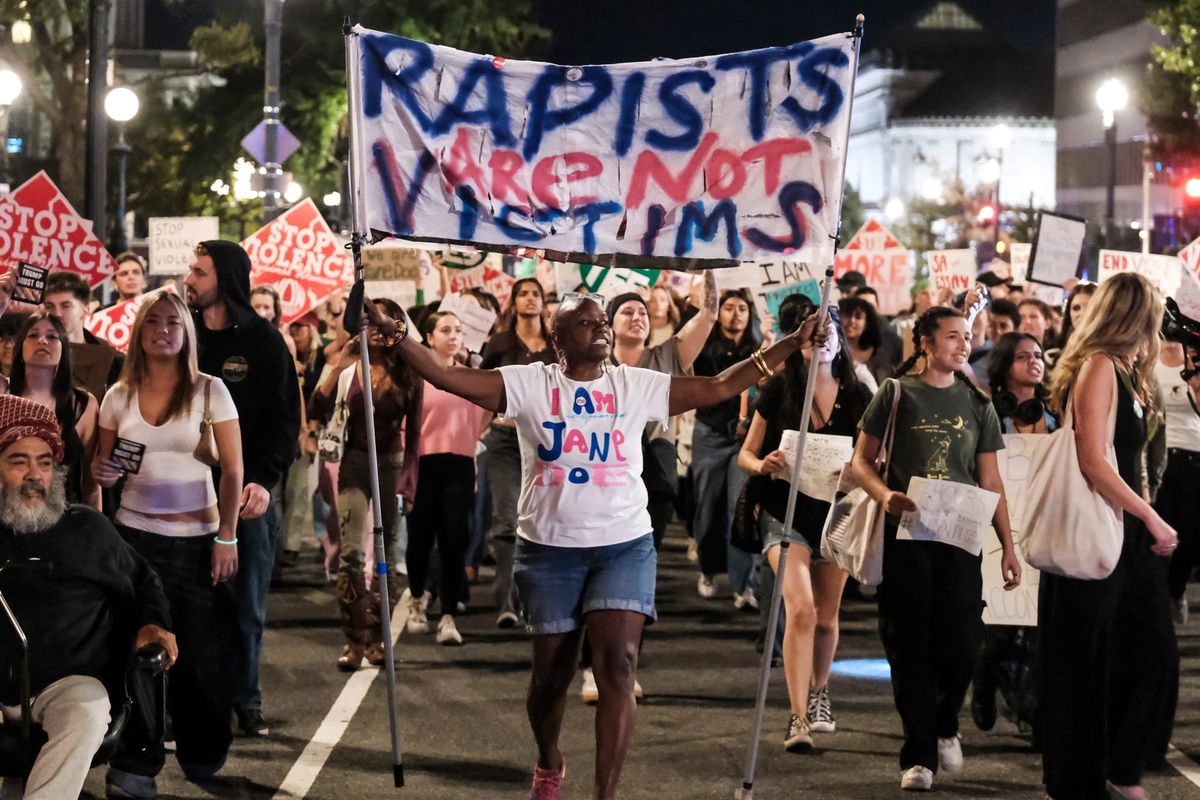
Protesters gathered in Washington, DC, New York and other cities on October 8 for a Nationwide Day of Action calling for accountability for sexual assault survivors, in a wave of demonstrations organised around the case of a Cornell University student known as Jane Doe. About 250 people assembled beside the Washington Monument on the National Mall, one of more than a dozen I Am Jane Doe actions held across the country last week, framed by organisers as stretching from the frat house to the White House. The actions responded to allegations involving seven Cornell men, now widely referred to as the Cornell 7. Jane Doe reported the incident two years ago; according to the account in the report, two of the men she accused were expelled, while the others were required to write essays. Two years after the university's response, Jane Doe's lawyer filed a further suit. The university's handling of the case has become a focal point for demonstrators, who argue that institutions have failed to hold those accused of sexual assault to account. In Washington, six speakers addressed the crowd, among them Dani Bensky, a survivor and victims' advocate, Alva Johnson, a former campaign staffer who has publicly accused President Trump of sexual assault, and Claire Barnett, president of Advocates Against Sexual Violence at Georgetown Law. Protesters carried signs reading History Has Its Eyes on Us and Give Me Back My Girlhood, I Had It First. Activist and curator Nadine Seiler held a poster spray-painted with the words I Am Jane Doe on one side and rapists are not victims on the other. Days earlier, on October 5, hundreds of Cornell students staged a campus rally against the university's administration, expressing solidarity with Jane Doe and criticising what many view as a toxic fraternity culture. The Washington rally lasted about two hours, with speeches, chants and music, before the group marched toward the White House. Organiser Riley Reed said the location was chosen deliberately, placing survivors and advocates between the Washington Monument and the White House as symbols of power.