Exhibition preview·Osaka
The Guinness-record TV art show at 50: 140 works from NHK's 'Sunday Art Museum' land in Osaka
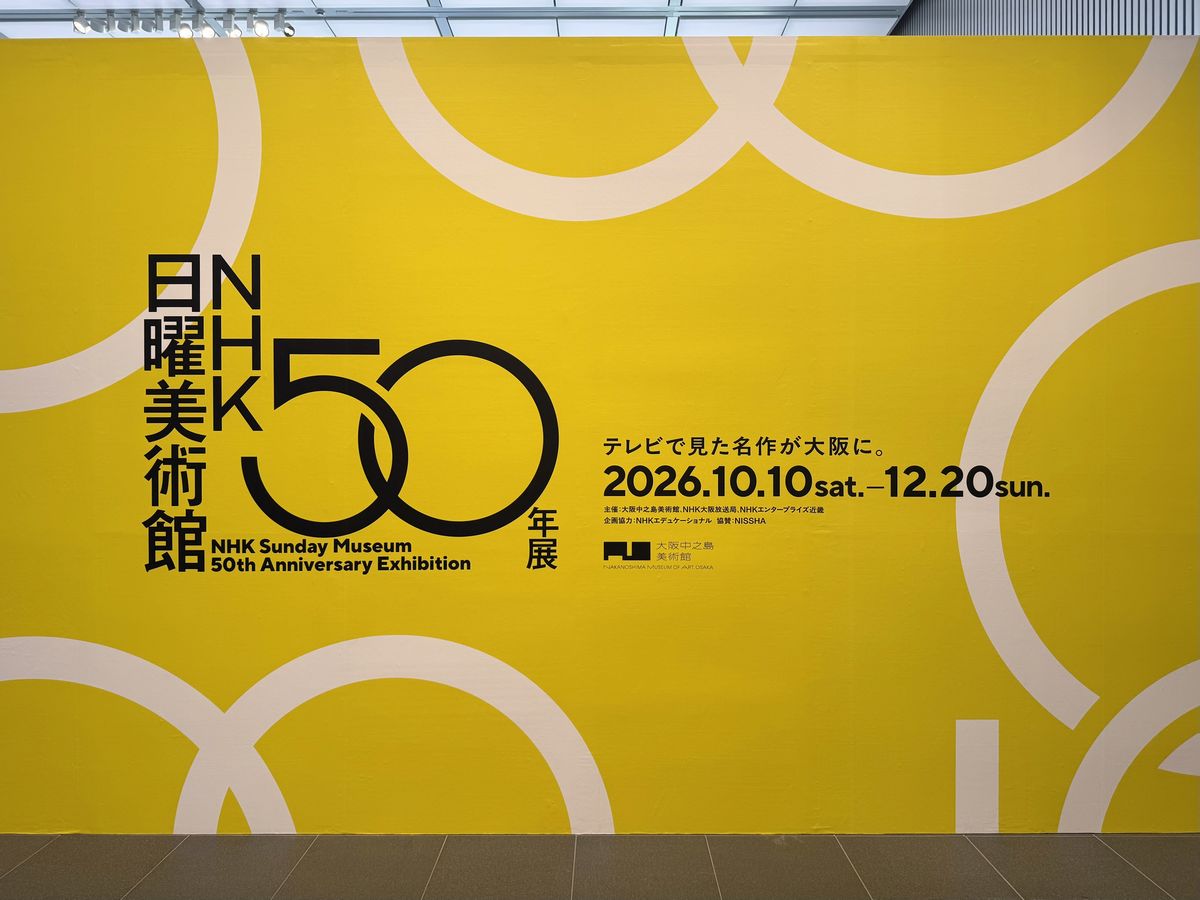
"NHK Sunday Art Museum: 50 Years" opened at the Nakanoshima Museum of Art in Osaka on 10 October 2026, gathering more than 140 works by about 60 artists shown alongside the programme's original broadcast footage, with Osaka-only pieces including Dali's "Madonna of Port Lligat".
A television programme that has introduced Japanese viewers to art every Sunday since 1976 is now the subject of an exhibition itself. "NHK Sunday Art Museum: 50 Years" opened at the Nakanoshima Museum of Art in Osaka on 10 October 2026 and runs through 20 December, with more than 140 works by some 60 artists chosen from the programme's past broadcasts. Osaka is the final venue after Tokyo and Shizuoka.
The premise is simple and unusual: the actual artworks appear together with the broadcast footage that once introduced them, so visitors can watch the programme's language and images meet the objects themselves. The programme earned a Guinness World Record in March 2026 as the longest-running weekly fine art television programme, and the exhibition treats that half-century of broadcasting as a cultural archive of how Japan has seen art.
The selection runs from Jomon-era pottery and craft to contemporary art. Chapters move from European masters such as Cézanne, Picasso and Dali through the rediscovery of Japanese beauty — Jakuchu, Hokusai and flame-style Jomon vessels — to craft traditions, a section on disaster and beauty including Tomoko Konoike, and a finale on artists' studios featuring Taro Okamoto and Shinro Ohtake. Picasso's Guernica appears in high-resolution video. Works exclusive to the Osaka edition include Salvador Dali's "Madonna of Port Lligat" and pieces by Konoike.
At the press preview, museum director Ueki recalled that for him as a child, the very idea of a museum was NHK's Sunday Art Museum, and said the show aims to become a place of communication between artworks and their viewers. Admission is 2,000 yen for adults, 1,200 for high school and university students, and 500 for younger children; some works rotate at mid-term, with the Jakuchu screen on view only until 15 November.


