Exhibition preview·New York
MoMA rebuilds Brancusi's Paris studio from the objects he lived among
Brancusi: The Artist and His Studio opens at MoMA on 25 October 2026, reuniting rarely lent sculptures, photographs, furniture, tools and studio objects from the Centre Pompidou's Atelier Brancusi with the museum's own holdings.
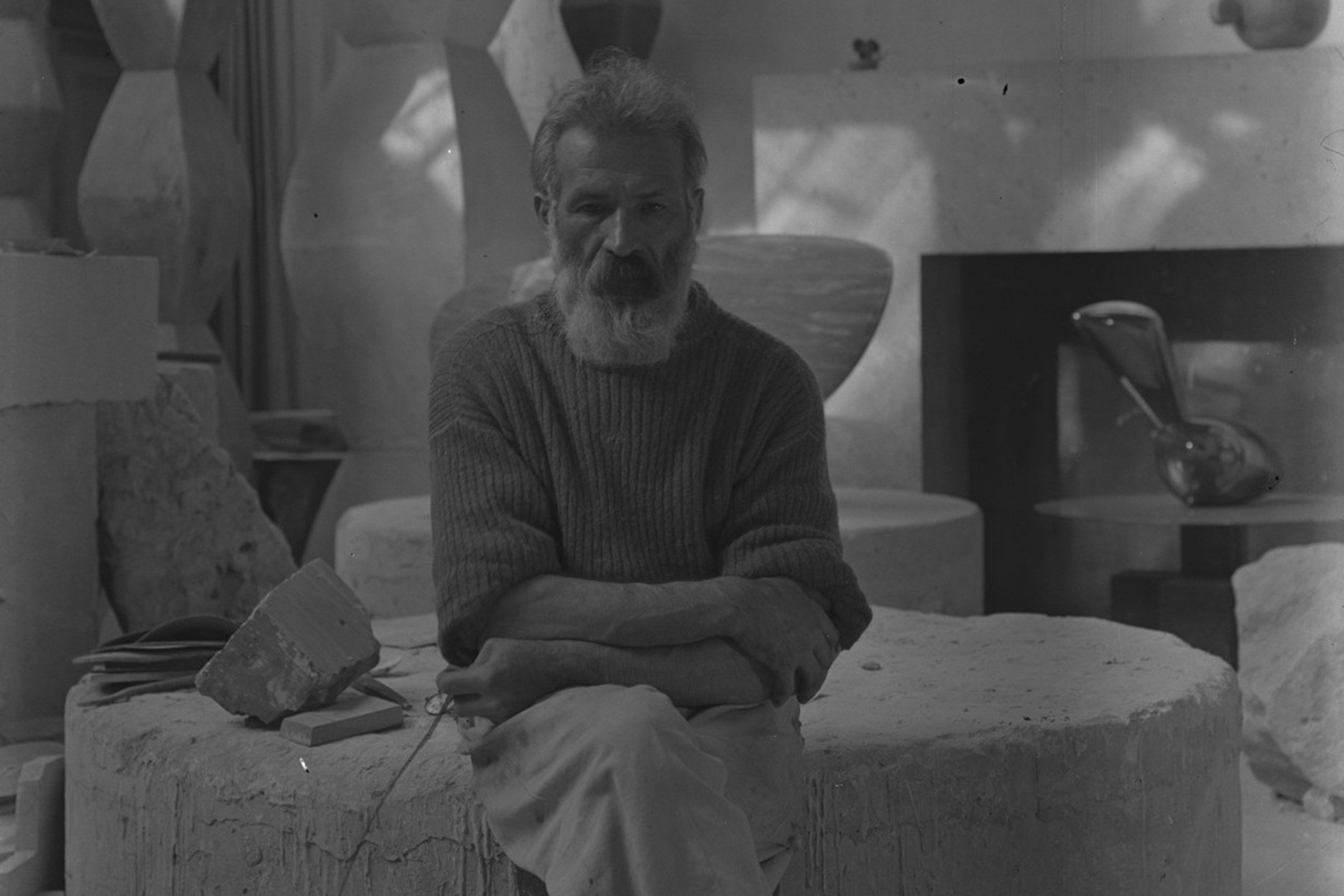
The Museum of Modern Art in New York is devoting its sixth floor this autumn to the room where Constantin Brancusi made modern sculpture. Brancusi: The Artist and His Studio, on view from 25 October 2026 to 27 February 2027, treats the sculptor's Paris workshop on the Impasse Ronsin not as background but as a work in itself, a place where living, entertaining clients and carving stone happened in the same space for more than forty years.
The show is possible because the Atelier Brancusi, the reconstructed studio that has stood beside the Centre Pompidou in Paris for decades, is closed while the Pompidou undergoes extensive renovation. That closure freed a group of works and objects that seldom travel: sculptures alongside the hand-carved furniture and pedestals Brancusi made for them, his tools, his films and his own photographs of the studio interior. MoMA pairs those loans with pieces from its own collection and local lenders.
The curatorial argument is that Brancusi's apparent simplicity hides enormous technical complexity, and that the studio explains it. Rather than presenting a parade of isolated masterpieces, the exhibition sets sculptures in dialogue with the objects, images and gestures involved in their making. Visitors meet familiar landmarks such as Bird in Space and The Kiss in the company of the bases the artist carved as part of the sculpture, the furniture he shaped by hand, and the photographs through which he controlled how his work was seen.
Brancusi moved into the Impasse Ronsin studio in 1916 and stayed there until his death in 1957, turning it into a total environment where everyday life and artistic creation constantly merged. By reassembling that environment in New York, MoMA invites visitors to encounter the sculptor less as a maker of polished forms and more as an architect of his own working world, a man who once described the New York skyline itself as a studio of blocks and shapes waiting to be rearranged.


