Profile·Cambridge
MIT Professors Are Bedazzling Campus Security Cameras to Protest the University's AI Surveillance Spending
Five tenured MIT faculty members are decorating the university's surveillance cameras with googly eyes, rhinestones and tinsel to protest a $3 million-plus investment in 500 AI-capable cameras, in a crafty intervention that makes campus monitoring visible without disabling it.
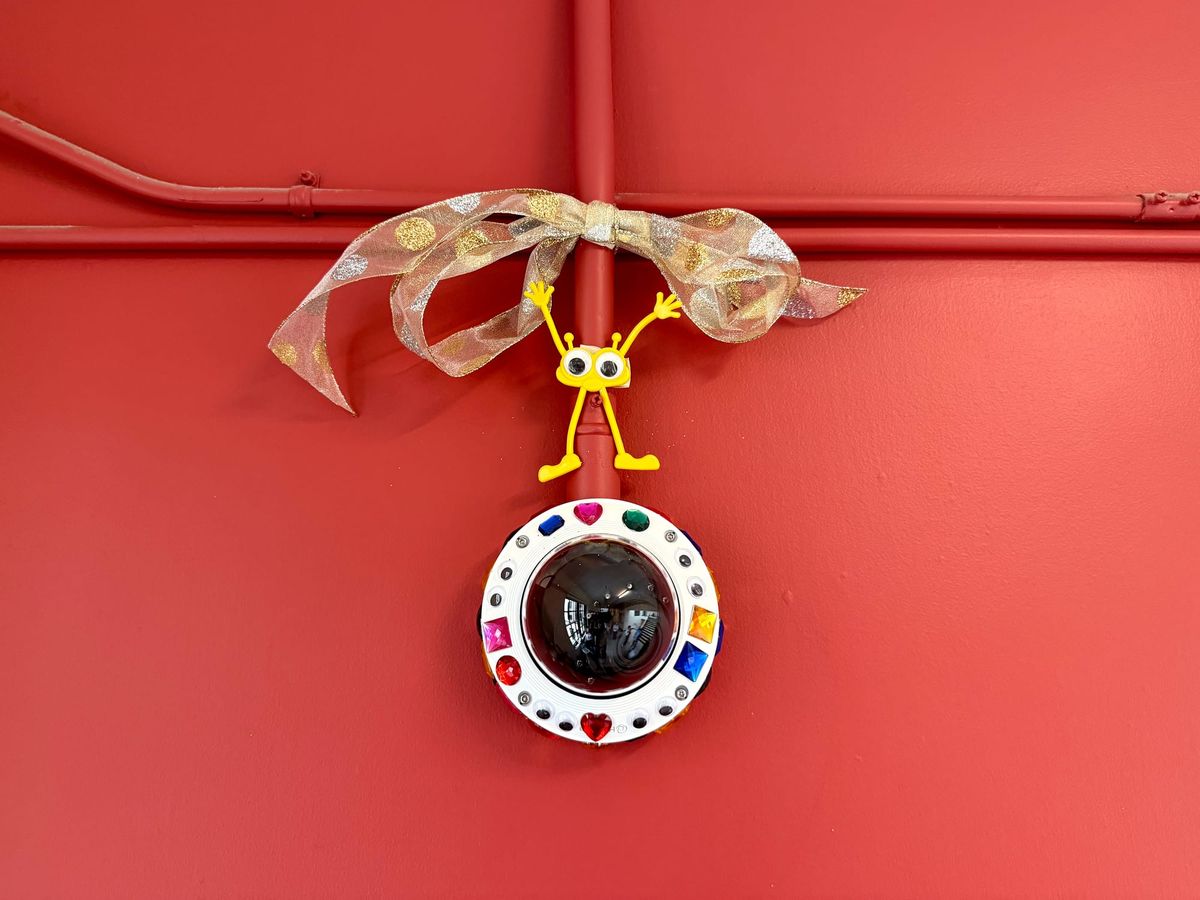
Five tenured faculty members at the Massachusetts Institute of Technology have turned the university's own surveillance cameras into glittering art objects, in a playful but pointed protest against the school's multi-million-dollar investment in AI-capable monitoring. Catherine D'Ignazio, Marah Gubar, Tanalís Padilla, Dwai Banerjee and Karrie Karahalios began adorning cameras across the campus in August, applying googly eyes, rhinestones, sequins and tinsel to the devices while leaving their lenses unobstructed.
The intervention responds to reporting by the student newspaper The Tech that MIT plans to spend more than $3 million on over 500 surveillance cameras between 2025 and 2026. According to that report, the cameras can be activated to identify faces and objects with artificial intelligence and are installed in exterior locations, academic buildings and other high-traffic areas. The faculty members argue the rollout has transformed the campus into what their newsletter calls an "AI-capable Panopticon."
D'Ignazio described the process as deliberately crafty: buckets of gems and tinsel are carried around, and the decorations are shaped into small googly-eyed creatures that cling to the camera housings. None of the adornments interfere with how the cameras function. Instead, the ornaments serve as reminders to passersby that they are under observation, making the invisible infrastructure of surveillance visible and faintly absurd.
The project carries an extravagantly bureaucratic title: "The Initiative to Beautify the AI-capable Surveillance Benevolently Installed by our Administrator Overseers and the MIT Corporation In Collaboration with Big Brother Tech Companies." The name itself satirizes the administrative language that typically accompanies such security upgrades. Photographs of the decorated cameras show them festooned with sparkle, a sharp contrast to the sober, utilitarian hardware underneath.
The action joins a long lineage of surveillance art, in which artists redirect the tools of monitoring back toward those who deploy them. By choosing decoration over destruction, the MIT faculty have staged a protest that is hard to punish and easy to photograph, forcing a public conversation about consent, oversight and the quiet normalization of facial-recognition technology on American campuses.


