Exhibition preview·New York
Met and Louvre mount first in-depth show of Rembrandt's obsession with the ancient world
The Met and the Louvre will co-organise 'Rembrandt and the Ancients', opening in New York in November 2027 and travelling to Paris in 2028 — the first comprehensive Rembrandt show at the Met in over 20 years. More than 125 objects will explore Greco-Roman and biblical influences, several never before seen in the US.
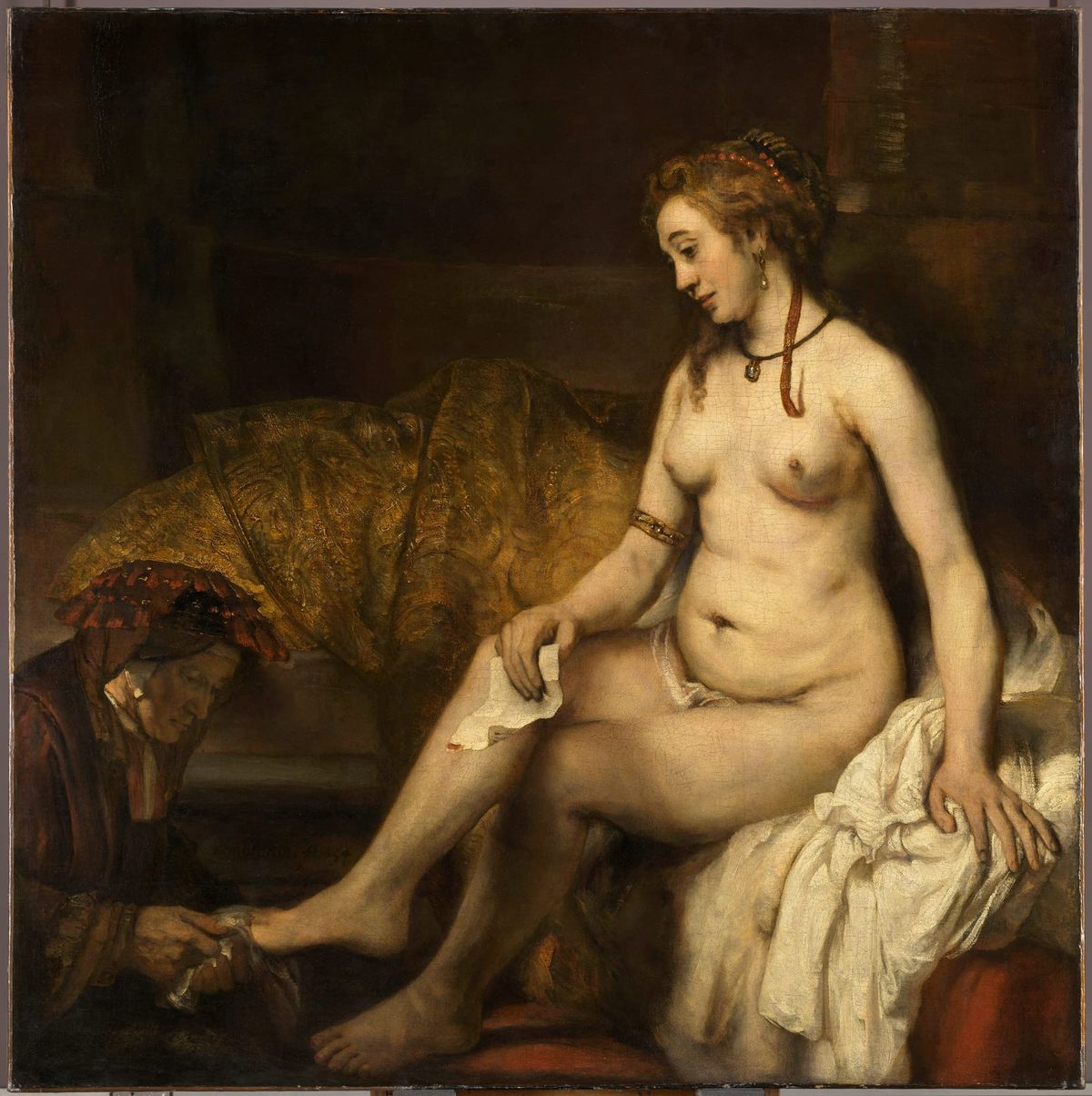
The Metropolitan Museum of Art and the Musée du Louvre are joining forces for the first in-depth museum examination of Rembrandt's fascination with the ancient world. Rembrandt and the Ancients opens at the Met in November 2027 before travelling to Paris in 2028 — the first comprehensive Rembrandt presentation at the New York museum in more than twenty years. The exhibition gathers over 125 objects — paintings, drawings and prints by the Dutch master together with the classical reference materials that fed his imagination. Several works will be shown in the United States for the first time, among them the monumental Oath of the Batavians (c. 1661), lent by the Royal Swedish Academy of Fine Arts. The show sets Rembrandt against the antiquities boom of the Dutch Golden Age, when merchants and scholars such as the Reijnst brothers, Johannes Smetius and Franciscus Junius built major holdings of Greco-Roman and Renaissance artefacts — and when printed editions of classical texts in Dutch carried ancient philosophy and science into wide circulation, feeding artists' imaginations directly. For the Met, the co-organisation with the Louvre extends a run of heavyweight transatlantic partnerships. For visitors, it promises a less familiar Rembrandt than the self-portraits and civic-guard scenes: an artist steeped in the myths and marble gods of antiquity. The Louvre's Bathsheba Holding King David's Letter (1654), illustrated with the announcement, is among the key loans on the biblical side of the story. The checklist draws on both museums' own holdings as well as international loans.


