Profile·Brooklyn
BOMB's Women-by-Women Series Spotlights the Dictionary-Based Scores of Marié Nobematsu-Le Gassic
In a BOMB Magazine interview published October 12, Sophie Golub speaks with Marié Nobematsu-Le Gassic, whose multidisciplinary practice turns a Japanese–English dictionary into a palette of musical and visual scores. The artist's current exhibition at Toll in Brooklyn extends that inquiry with sonic and visual versions of the scores.
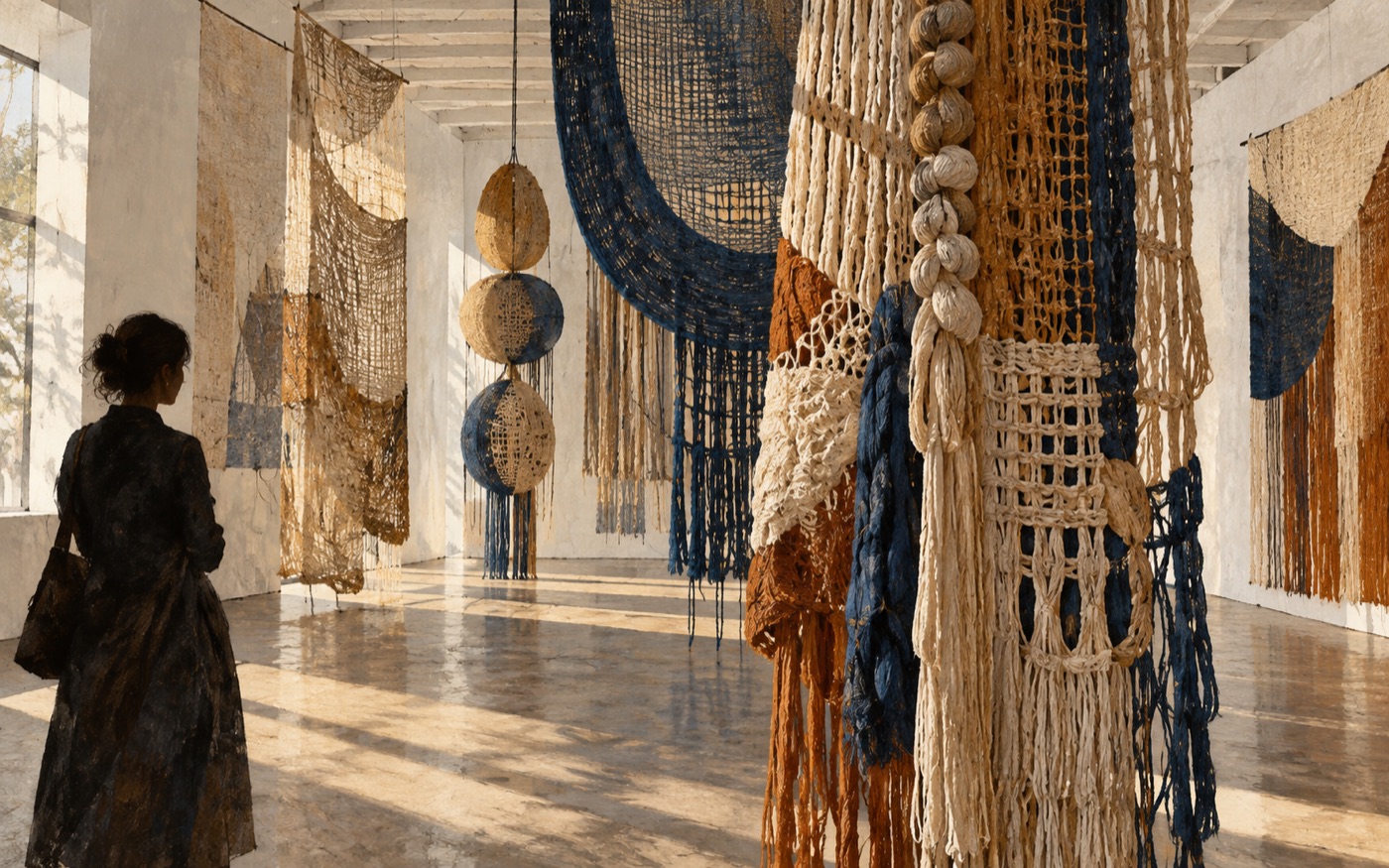
A new entry in BOMB Magazine's Women by Women interview series pairs writer Sophie Golub with Marié Nobematsu-Le Gassic, an artist whose work moves across language, photography, movement, sound, sculpture and publication. The conversation, published October 12, centers on her ongoing interrogation of scores — understood as musical translations and instructions, as notation, and as physical action — now on view in her current exhibition at Toll in Brooklyn. Nobematsu-Le Gassic tells Golub that her scores are drawn from a single specific edition of a Japanese–English dictionary, which she treats as a palette of language. The 2026 iteration of the project at Toll includes both sonic and visual versions of the scores, continuing a practice in which the same objects and images persist and transform across each display. The exhibition is documented with a cast-iron work, shoe anvil 001 (2025), photographed by the artist. Much of the exchange turns on translation — and on mistranslation. Raised speaking Japanese and English, Nobematsu-Le Gassic describes her relationship to language as ongoing and full of tension, recalling that fluency between the two, especially in writing, was long difficult. She says she felt a deep resistance to the learning process itself, and only recently began engaging that resistance directly in her work. The Women by Women series, which stages interviews between women visual artists, is made possible by the Deborah Buck Foundation and Every Page Foundation, with additional support from the Judith Whitney Godwin Foundation for the Arts. For an artist working at the scale of a Brooklyn project space with such materially and conceptually dense material — cast iron, fishing line, braided language — the platform offers rare visibility for a practice that treats bilingualism not as biography but as working method.