Profile·Global
Lubov lives on: Chinatown's experimental gallery finds new owners two months after its founder's death
New York's Lubov gallery will continue operating under new ownership after the August death of its 37-year-old founder Francisco Correa Cordero, who built the Chinatown space into a hub for experimental, market-averse art.

Lubov, the closely watched Chinatown gallery known for its experimental program, will remain open under new ownership following the death of its founder. The gallery announced on Tuesday that it would continue after the passing of Francisco Correa Cordero, who died in August at the age of 37.
Correa Cordero founded Lubov in 2016 and gave it a name with personal resonance: it means "love" in Ukrainian and is the formal version of the name of Luba Drozd, the Lviv-born artist to whom he was married when he opened the space. Born in Mexico, he came to the United States to study photography at the School of Visual Arts and held roles at the Yancey Richardson Gallery, Martos Gallery, Aperture, the Humble Arts Foundation, the Richard Avedon Foundation, and Exit Art before running his own space.
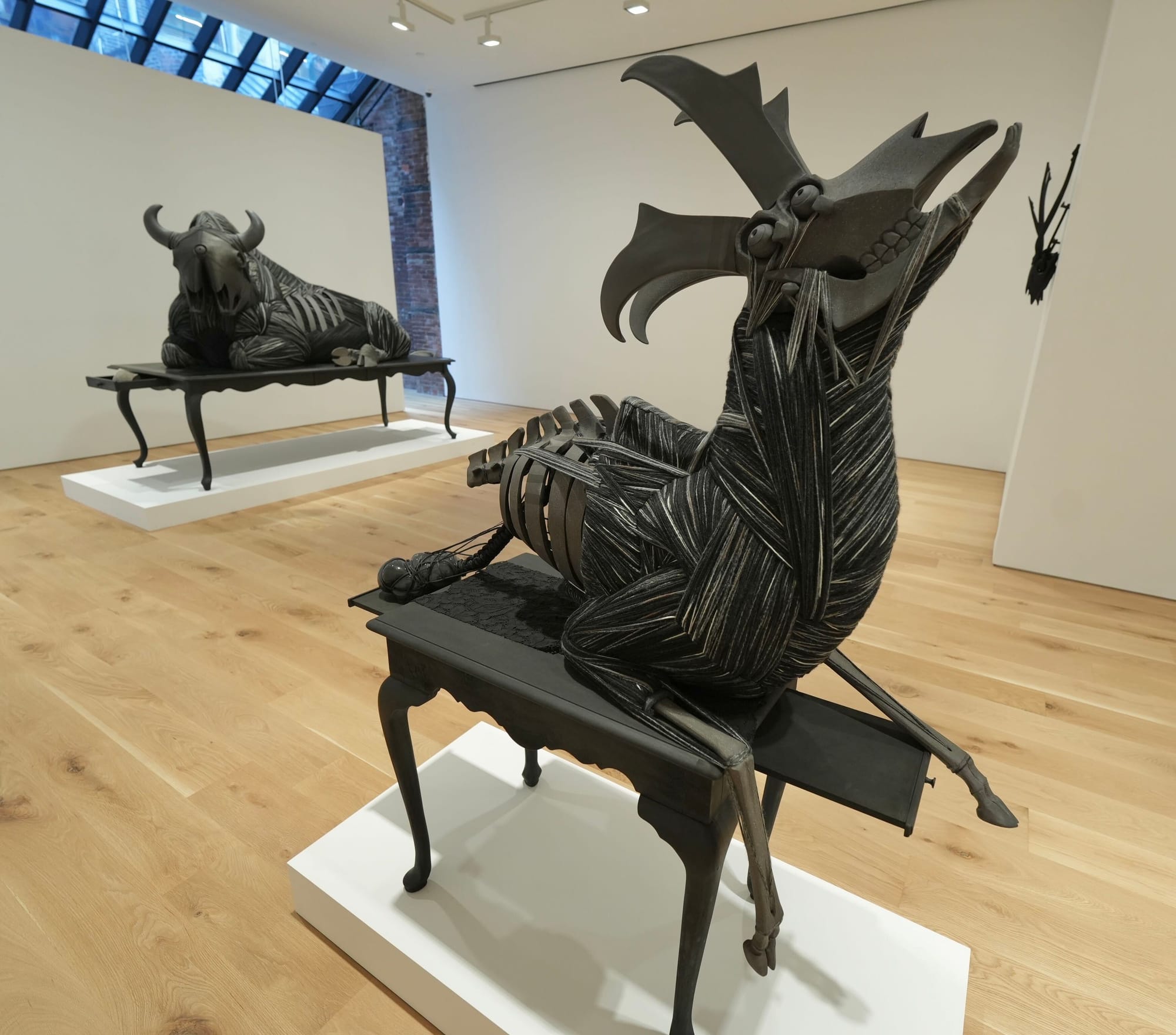
He conceived the gallery as a curatorial endeavor rather than a strictly commercial one, presenting photography, video, installation, performance, readings, and other projects with limited market potential. Its program included artists such as Eunnam Hong, My Barbarian, Andres Serrano, Mimi Park, Shannon Cartier Lucy, and Covey Gong, and the space earned a reputation for championing labor-intensive, experimental work that bigger galleries would not touch.
The news of continuity will reassure a community that rallied around the gallery after its founder's death. The gallery's Instagram announcement in August said he had passed surrounded by his chosen family. A solo show by Kane Huynh is scheduled for the fall, suggesting the new stewardship intends to keep the program moving.
Lubov's survival marks a small but meaningful countercurrent to the wave of gallery closures in New York's emerging scene, where rising rents and thin margins have forced many beloved small spaces to shutter.