Museum report·Budapest
Voted out after 16 years, Orbán leaves Hungary's museums hollowed out: the art world counts the cost
Six months after Viktor Orbán's Fidesz party lost power, Hungary's artists and curators describe an era of institutional capture, self-censorship and stalled mega-projects — and a cautious hope that the cultural sector can recover under the new government of Péter Magyar.
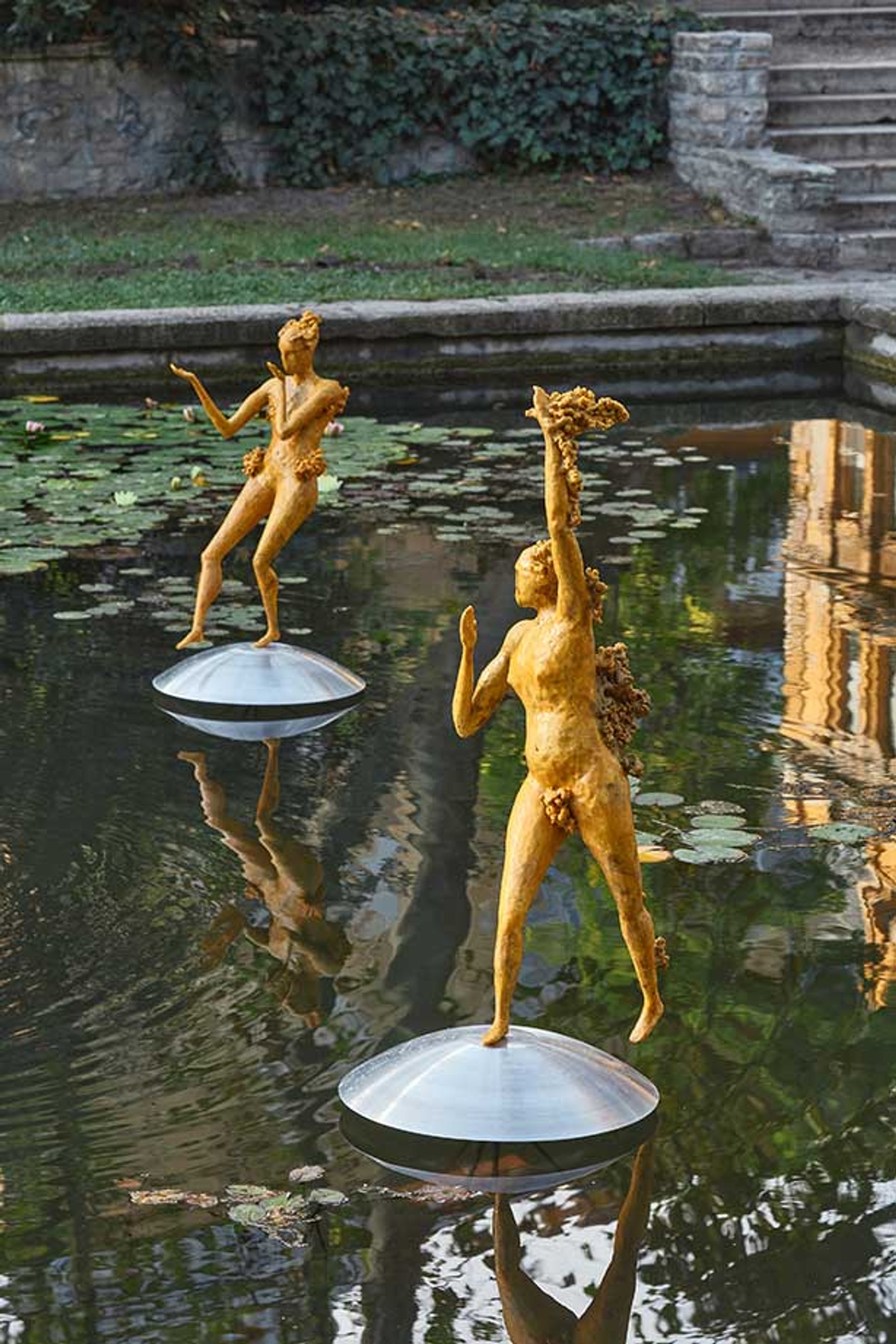
On 12 April 2026, Hungarians voted Viktor Orbán and his populist Fidesz party out of power after 16 years. Less than two months later, artists and curators staged a symbolic public scrubbing of the steps of the Műcsarnok, Budapest's neo-classical exhibition hall — a gesture of both hope and melancholy, an attempt to pick up where the city's art scene had left off before the Orbán era.
In the years after communism, the Kunsthalle had been Budapest's signature contemporary art venue, showing international figures alongside Hungarians such as Little Warsaw, the duo behind the 2003 Venice Biennale hit The Body of Nefertiti. Under Fidesz it became an outpost of arch-traditional, nationalist art. Using the party's early two-thirds parliamentary majority, Orbán remade the judiciary and the electoral order — and, says Central European University curator Katalin Székely, applied the same method to culture, co-opting the Kunsthalle and the Ludwig Museum, where she had worked since 2008. By 2014 both had new directors; many pre-2010 staff left or were sidelined. Grants flowed through the newly conservative Hungarian Academy of Arts, and selective sponsorship bred what collector Zsolt Somloi calls voluntary censorship: artists learned that gender, immigration and climate change were best avoided.
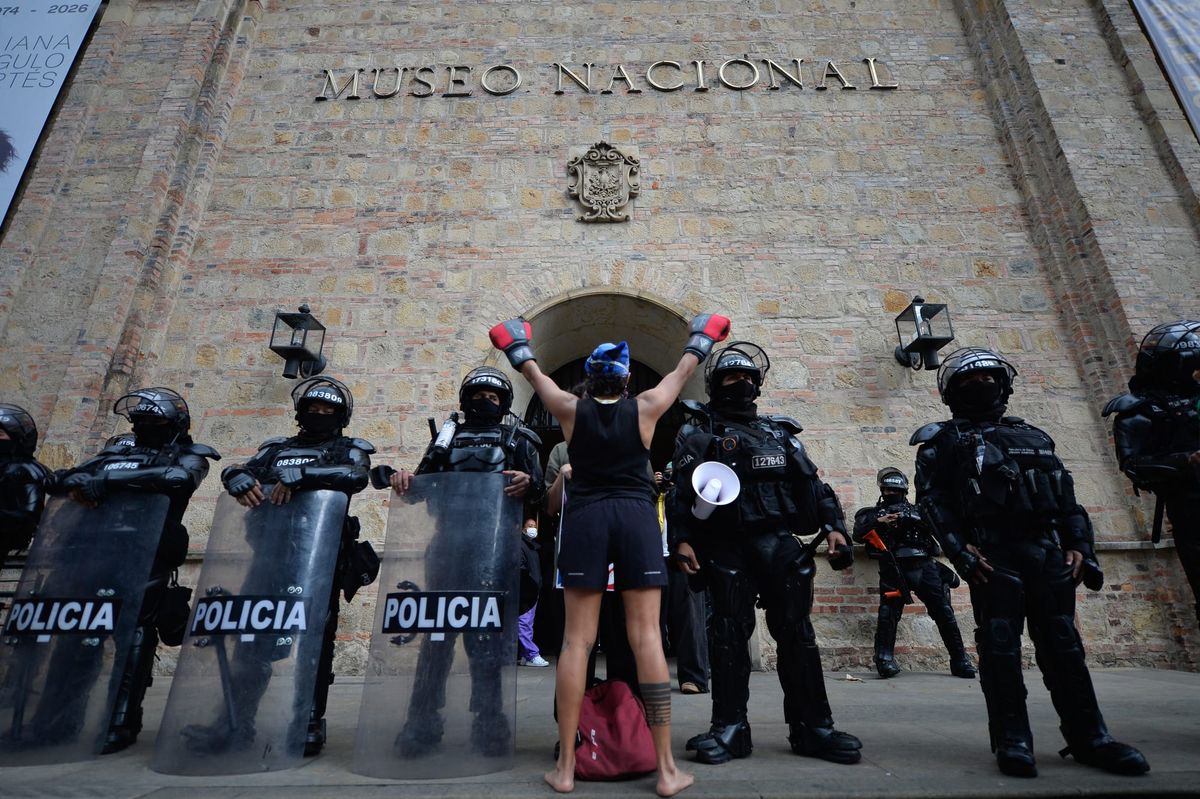
Adventurous artists retreated to alternative spaces such as the OFF-Biennále Budapest, held five times since 2014, while two vast cultural-relocation projects ballooned in budget amid cronyism allegations. After the 2021 child-protection law targeting LGBTQ+ content, National Museum director László Simon was fired in 2023 for refusing to restrict under-18s from a photography show containing LGBTQ+ images. Artist Gideon Horváth says his work on queer subcultures faced censorship, including rewritten wall texts.
There are now signs of repair. The new prime minister, Péter Magyar, has restored an independent culture minister, a post Orbán had demoted. Yet skepticism persists: the Kunsthalle and Ludwig directors remain in place, the Museum of Applied Arts has been closed since 2017, and the Sanaa-designed New National Gallery was cancelled this summer. "Five years," says professor József Mélyi, may be "enough to get us back to where we were 15 years ago."