Exhibition preview·Almaty
Twenty artists gather in Almaty for a show about matrilineal memory, survival and care
The Tselinny Center of Contemporary Culture in Almaty opens Himoya: Matrilineal Energies, Oracular Kin on 15 October 2026, a major international exhibition curated by Natasha Ginwala with twenty artists from Central Asia and beyond, running until 4 April 2027.
A new exhibition at the Tselinny Center of Contemporary Culture in Almaty places the idea of protection at its center. Titled Himoya: Matrilineal Energies, Oracular Kin, it opens on 15 October 2026 and runs until 4 April 2027, bringing together twenty artists working across Central Asia and several other regions. The curator is Natasha Ginwala, who has sat on the center's advisory board since 2022 and previously worked on Sharjah Biennial 16, documenta 14 and the 8th Berlin Biennale.
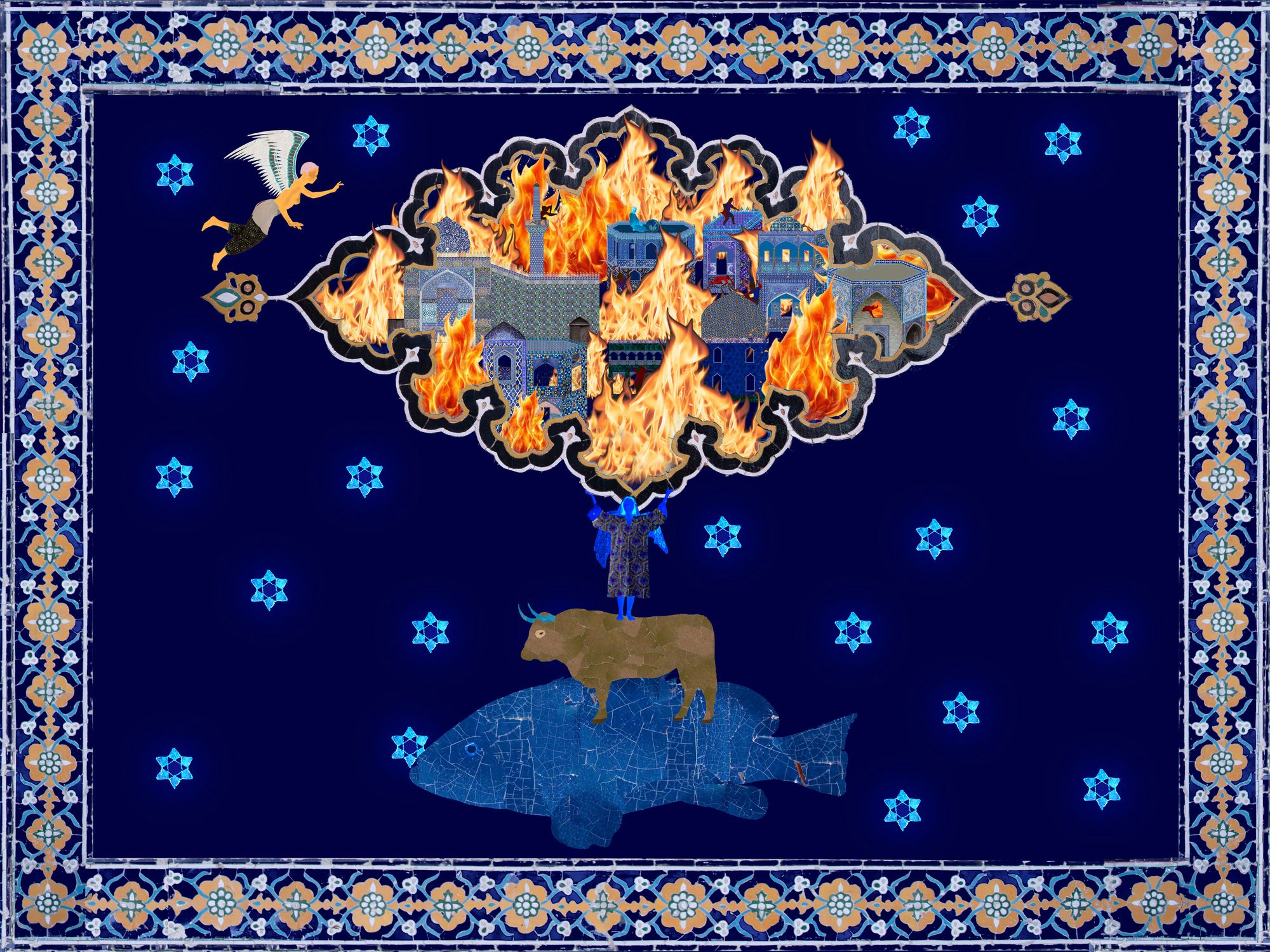
The word himoya, across several languages of the region, carries the sense of shelter, guardianship and the defense of the vulnerable. The exhibition treats that idea through matrilineal knowledge, anti-imperial cosmologies and ecological care, asking how art can protect, heal and remember in a time of upheaval. Artists draw on Tengri traditions, Sufi and Zoroastrian practices and shamanic belief systems, alongside femme and queer kinships, to imagine futures free from imperial control. The works span sculpture, moving image, installation, painting, textile, performance and sound, and many pieces are new commissions or site-responsive.
The participating artists include Haegue Yang, Rajni Perera, Almagul Menlibayeva, Citra Sasmita, Ahmed Umar, Thania Petersen, Umida Akhmedova, Rithika Pandey, Radina Yasueva, Jazgul Madazimova, Oyjon Khayrullayeva and Yelaman Muqtarkhan, among others. The exhibition design comes from Diogo Passarinho Studio, which reimagines the venue's Soviet-era cinema architecture as a landscape for shared living and open-ended dreaming.
Tselinny, founded by Kazakh entrepreneur Kairat Boranbayev as the country's first private cultural institution, has operated since 2018 and opened its permanent home, a reconstructed 1964 cinema, in 2025. The show is accompanied by workshops and a learning program, with visits possible Tuesday to Sunday, 11am to 7pm.


