Exhibition preview·London
Six Decades of Pop Art Return to the City Where the Movement Began
Galerie von Vertes has opened Pop-ism in London, a survey spanning 1946 to 2008 with works by Warhol, Haring, Rauschenberg and others, before it travels to Zurich.
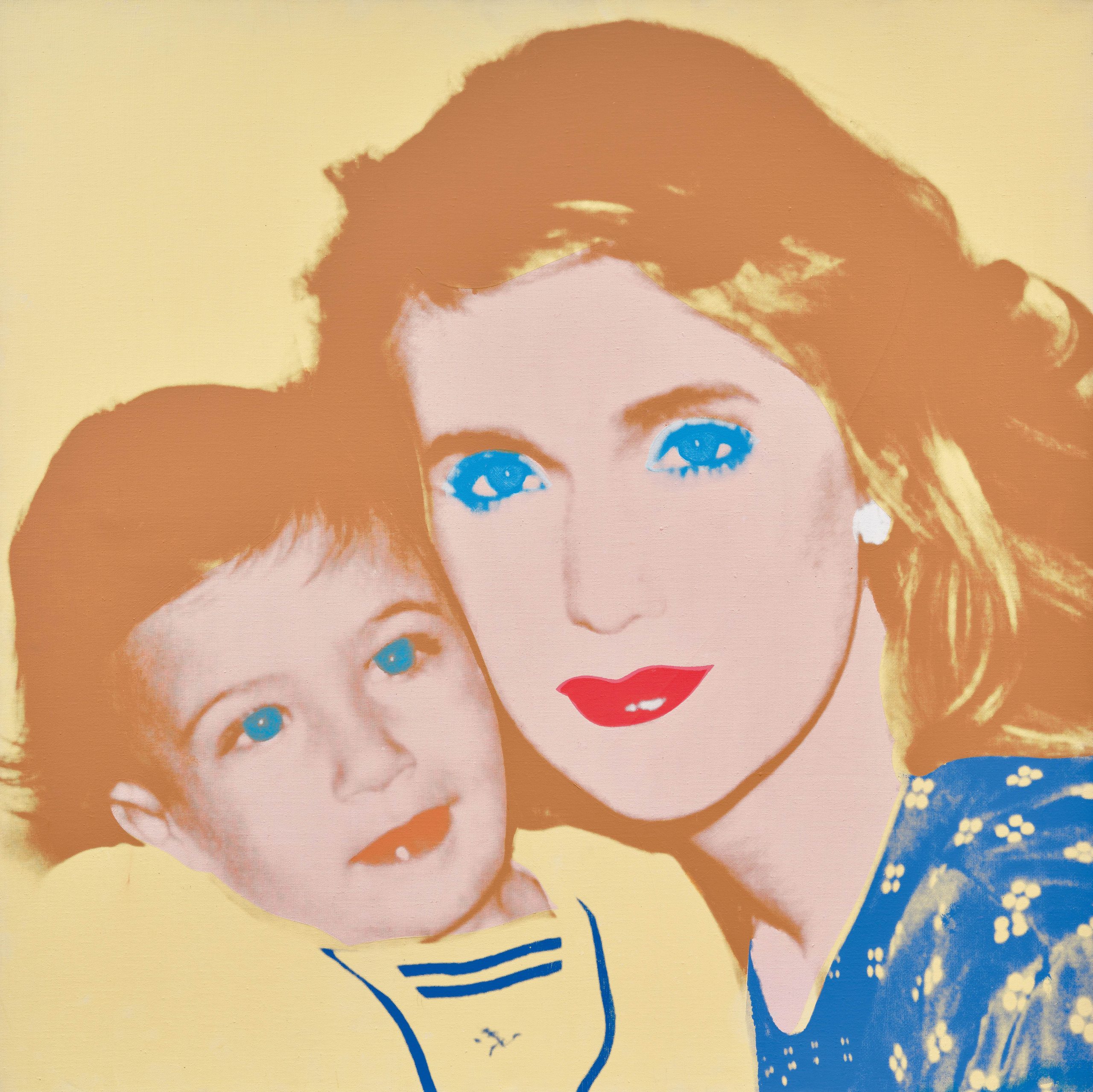
Galerie von Vertes has opened a wide-ranging survey of Pop art in London, the city where the movement first took shape in the mid-1950s. Titled Pop-ism, the exhibition gathers work made between 1946 and 2008 by some of the best-known names associated with the style, among them Andy Warhol, Keith Haring, Robert Rauschenberg, Niki de Saint Phalle, Tom Wesselmann, Robert Indiana and John Chamberlain. After its London run, the show travels to Zurich, where it stays on view through December 4. The London opening was timed to coincide with PAD London, which runs October 13 to 18. The pairing gives visitors to the capital two overlapping reasons to look at Pop this week, and it arrives while the Solomon R. Guggenheim Museum in New York is also running a Pop retrospective, on view through January 2027. London's claim on the story is historical: artists such as Richard Hamilton and Eduardo Paolozzi pioneered Pop in the English capital before it became an international phenomenon. The show takes its title from Warhol himself, who used the word to describe the moment when inward-looking, theory-driven movements gave way to something looser and more open. That shift is traced through Chamberlain's sculptures made from crushed car parts, Haring's graphic city scenes, Saint Phalle's voluptuous Nana figures, Rauschenberg's layered collages and Wesselmann's flat, boldly coloured compositions. The common thread, the exhibition argues, is not only a look but an attitude: a willingness to borrow from advertising, repetition and everyday consumer culture rather than standing apart from it. The survey also reaches beyond Pop's core years. Works by earlier figures such as Alexander Calder, Fernand Leger and Yayoi Kusama, whose early soft sculptures are included, show the ground from which Pop grew. A catalogue with texts by art historian Quirine Verlinde accompanies the show, which presents Pop as fertile ground for what followed, including Neo-Pop, Minimalism, Conceptual art and Political Pop.