Profile·Paris
Paris Opens War Crimes Inquiry Into Strike That Killed Ali Cherri's Parents
France's War Crimes Unit has opened an investigation into the Israeli airstrike that killed the parents of French-Lebanese artist Ali Cherri in Beirut in November 2024, seven months after the artist filed a war crimes complaint.
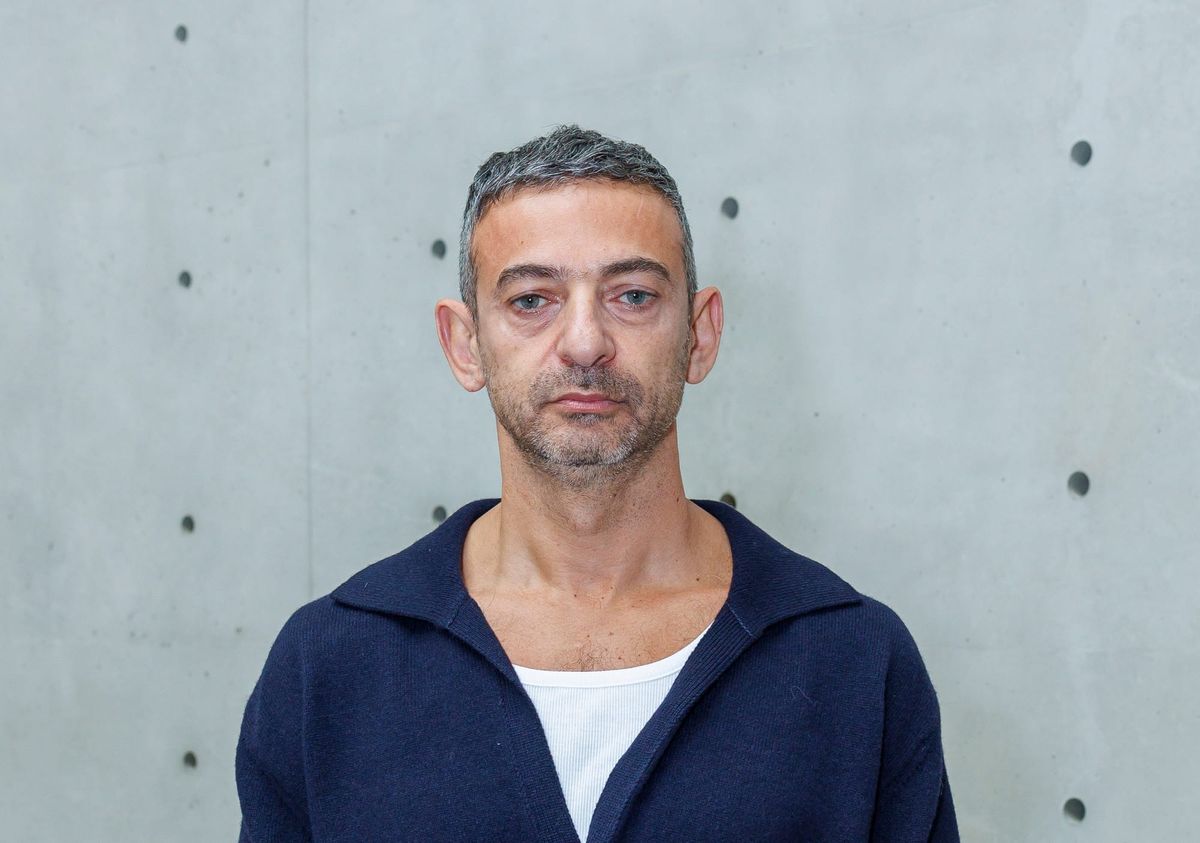
France's War Crimes Unit has opened an investigation into the Israeli airstrike that destroyed the Beirut family home of French-Lebanese artist and filmmaker Ali Cherri and killed both of his parents. The inquiry follows a complaint Cherri filed with the unit seven months ago, accusing Israel of war crimes.
The strike hit a 12-story residential building in the Barbour district of Beirut on November 26, 2024, less than twelve hours before a temporary ceasefire between Hezbollah and Israel came into effect. Cherri's parents, Mahmoud Naim Cherri and Nadira Hayek, were killed, along with Birki Negesa, a domestic worker employed in the apartment Cherri owned, and at least four other civilians living in the building. The building had been constructed by the Cherri family, and the blast caused structural damage concentrated in the eastern apartments on the seventh to tenth floors. His parents were found in the wreck of the artist's ninth-floor apartment, where they lived.
Amnesty International examined the strike in a February report on Israeli war crimes in Lebanon and concluded that Israeli forces had no evidence of a verifiable military target at the site. The organisation also found that no evacuation warning was issued to residents before the attack. Cherri and his lawyers at the International Federation for Human Rights commissioned the London-based research agency Forensic Architecture to reconstruct the building digitally from the artist's own documentation and that of neighbouring witnesses.
Both the Amnesty findings and the Forensic Architecture reconstruction informed Cherri's complaint, which accuses Israel of intentionally directing an attack against a civilian object. The investigation marks a rare instance of a European war crimes unit taking up a case brought by an artist over the killing of his family.