Exhibition preview·Madrid
Reina Sofía's Gonzalez-Torres survey accused of sidelining his politics
Felix Gonzalez-Torres: Sweet Revenge, the artist's first large-scale solo show in Madrid at the Museo Reina Sofía, is criticised in a new review for presenting him as a second-generation Minimalist and leaving out his most politically charged works.
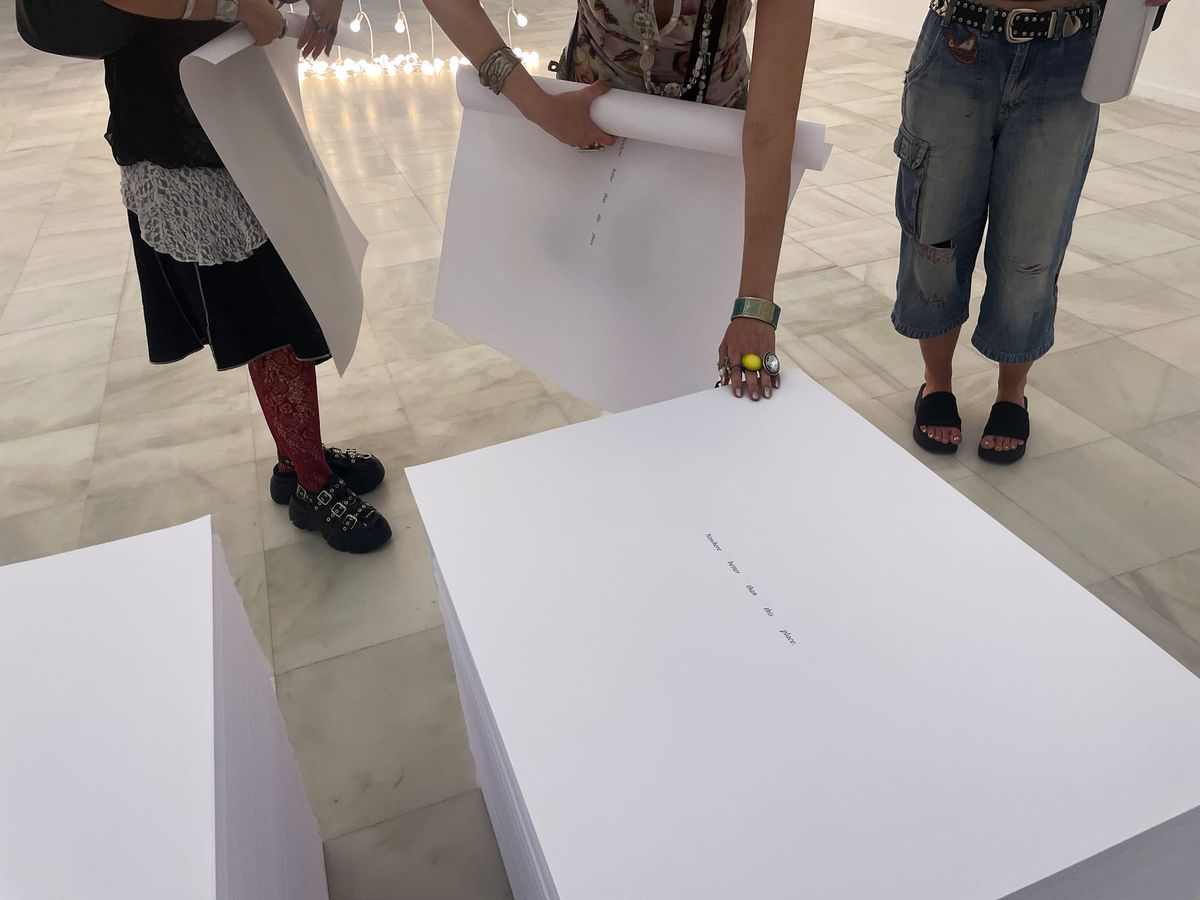
Felix Gonzalez-Torres: Sweet Revenge, the first large-scale solo exhibition of the Cuban-American artist's work in Madrid, is on view at the Museo Reina Sofía, and a new review argues that the show misrepresents what the artist stood for. The review contends that the exhibition reads like a showcase for a second-generation Minimalist, emphasising form and surface while many of Gonzalez-Torres's most politically charged pieces are nowhere to be found. The exhibition opens with a focus on Madrid's role in the artist's life: Gonzalez-Torres lived briefly in the Spanish capital as a Cuban child refugee in 1971 before moving on to Puerto Rico and then New York. The Madrid show follows a landmark exhibition at the Centro Galego de Arte Contemporánea in Santiago de Compostela in 1995, held shortly before his death from AIDS-related complications, a 2000 group show at the Reina Sofía itself, and a 2021 exhibition at the Museu d'Art Contemporani de Barcelona that was framed by the Covid-19 pandemic. The review's central question is why works that addressed the AIDS crisis, queer identity and political grief have been sidelined in a presentation that dwells on the artist's early biography. Gonzalez-Torres's practice famously combined Minimalist visual language with urgent content: stacks of free posters, candy spills that visitors could take away, and portrait-like accumulations of everyday materials all carried meanings about loss, desire and the body's vulnerability. By centring a brief childhood episode in Madrid, the show challenges received accounts of the artist's trajectory, yet the reviewer suggests it also risks neutralising the very tensions that made the work endure. The debate echoes long-running arguments about how institutions exhibit artists whose art was inseparable from the politics of their moment.