Museum report·New York
Epstein survivor tells MoMA its board seat for Leon Black lends prestige to abuse
In a first-person opinion piece, Epstein survivor Danielle Bensky argues that Leon Black's position on MoMA's board lets the museum's prestige legitimise a financier whose conduct has faced serious scrutiny, and calls for his removal.
An Epstein survivor has used a first-person opinion piece to press the Museum of Modern Art to remove financier Leon Black from its board. Writing for Hyperallergic, Danielle Bensky describes more than two decades of living with the question of why she was targeted, and argues that the answer lies partly in institutions and social structures that made abuse possible and then looked away.
At the centre of her argument is the claim that a museum board seat confers legitimacy. Bensky presents Black's continued presence on MoMA's board as an example of institutional avoidance, a willingness to ignore uncomfortable associations while benefiting from a trustee's wealth and standing. She contends that such prestige can be used to normalise people whose conduct has warranted serious investigation, and that museums should reckon with that power rather than treat board membership as a purely private honour.
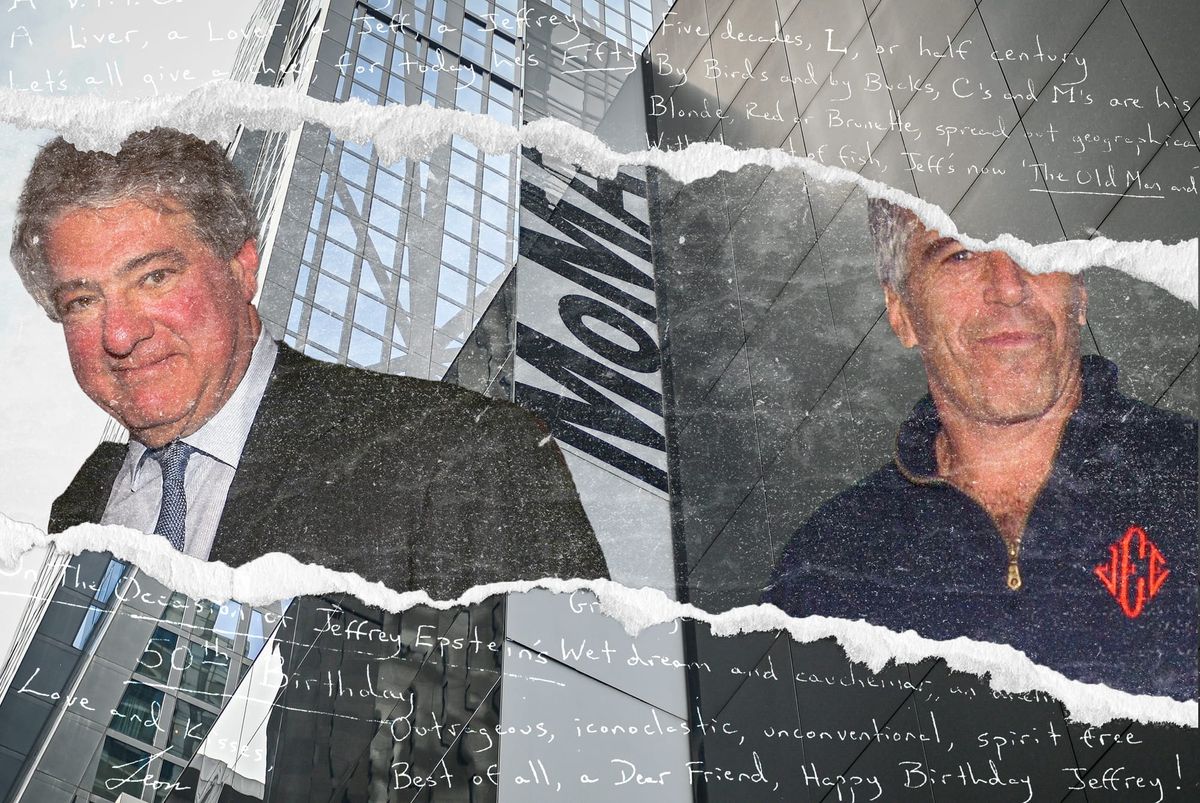
The piece also draws on material released by the House Oversight Committee, including lines from a birthday message to Jeffrey Epstein attributed to Black, which the article reproduces as part of a photo illustration. Bensky frames that material as evidence of a closeness that should trouble any institution concerned with its public responsibility, and she urges MoMA to act rather than wait for the controversy to fade.
Her intervention follows earlier public pressure on the same question. Activists and survivors have previously demonstrated outside the museum and called for Black's removal, arguing that the institution was helping to polish his reputation. Bensky's piece shifts the register from protest to personal testimony, putting a survivor's own voice at the centre of a campaign that has so far been led largely by organisers and commentators.
Whether MoMA responds remains open, and the museum has not been reported as announcing any change to its board. But the publication of a survivor's direct appeal raises the stakes of inaction: it asks the museum not simply to weigh governance rules, but to consider what its own name confers on the people it chooses to honour with a seat at the table.