Profile·Bogotá
Doris Salcedo on Colombia's Museum Purge: Censorship Gave the Art New Life
Artist Doris Salcedo has spoken about the removal of works from Colombia's Museo Nacional last month, saying the censorship attempt backfired as daily crowds gathered outside the museum and reproductions of the removed works appeared at its doors.
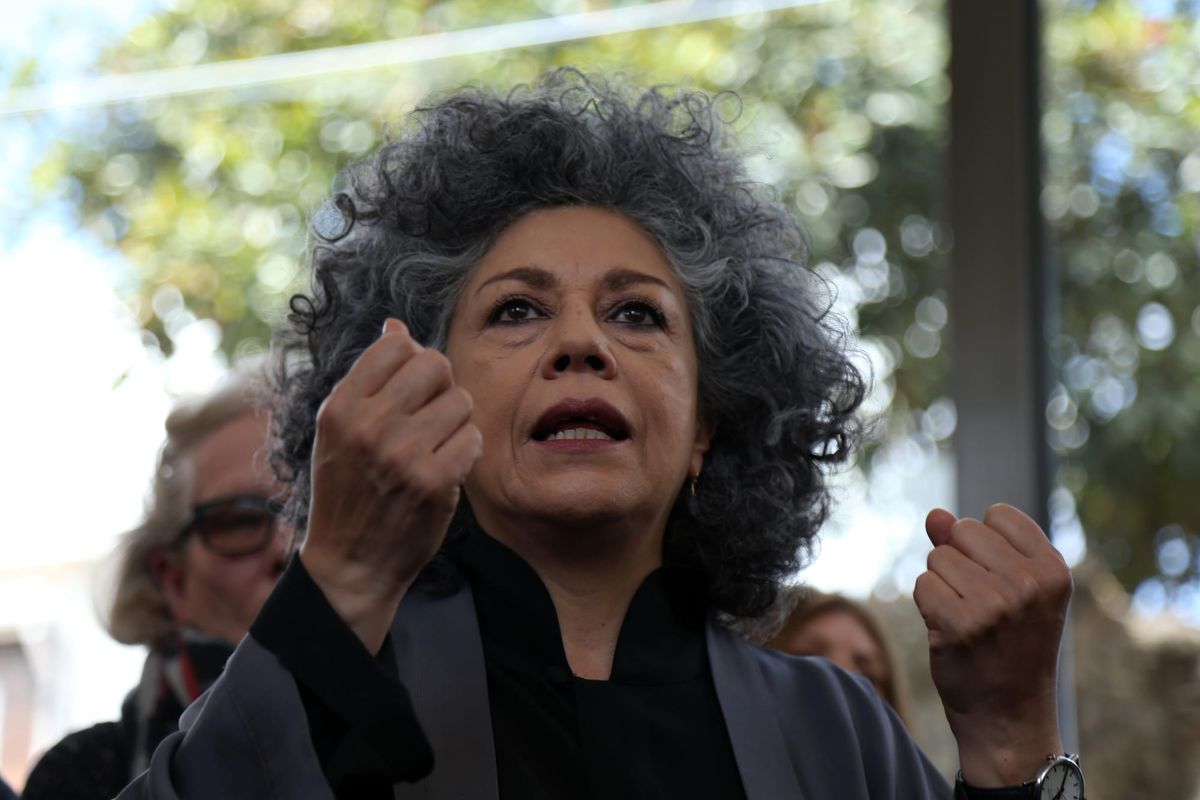
Colombian artist Doris Salcedo has described the recent removal of artworks from her country's National Museum as an act of censorship that unexpectedly gave the art a new and more powerful life. In an interview published on November 4, she reflected on a country where, in her view, governments have repeatedly tried to erase the memory of political violence, and where art keeps returning to insist on it.
On October 15, dozens of objects were taken off display at the Museo Nacional in Bogota on the orders of the country's far-right president, Abelardo De la Espriella. Among the removed material were artworks and documents connected to LGBTQ+ and feminist movements, to the 2016 peace agreement with the Revolutionary Armed Forces of Colombia, and to the campaigns of left-wing leaders Carlos Pizarro and Bernardo Jaramillo Ossa, both assassinated in the 1990s and described by the president as terrorists. A court ordered the objects reinstated within two weeks, but the episode convulsed the country: hundreds took to the streets in protest on October 17 and faced police repression.
Salcedo told her interviewer that young professors from universities across the city have been holding their classes on the steps outside the museum every day since the removals, and that crowds have gathered there daily. Where paintings once hung, she said, there are now pale empty rectangles marked with dust, and reproductions of the removed works have been hung at the museum's doors. What was meant as erasure, she suggested, has instead drawn attention to the absent works.
Salcedo's own practice has long centred on memory and mourning. Her installation space Fragmentos, opened in Bogota in 2018, has a floor made from melted-down FARC weapons, shaped by women who suffered assault during the conflict. She is in New York to present new works at White Cube gallery from November 13, and she told the interviewer that works of art endure far longer than the governments that try to suppress them.