Policy brief·Yogyakarta
After 16 years, the team behind Biennale Jogja shuts down and calls for rest amid Indonesia's political strain
The Biennale Jogja Foundation, which has run Yogyakarta's equatorial biennial for 16 years, has announced it is ceasing operations, pointing to political turbulence, censorship and violence against activists in Indonesia.
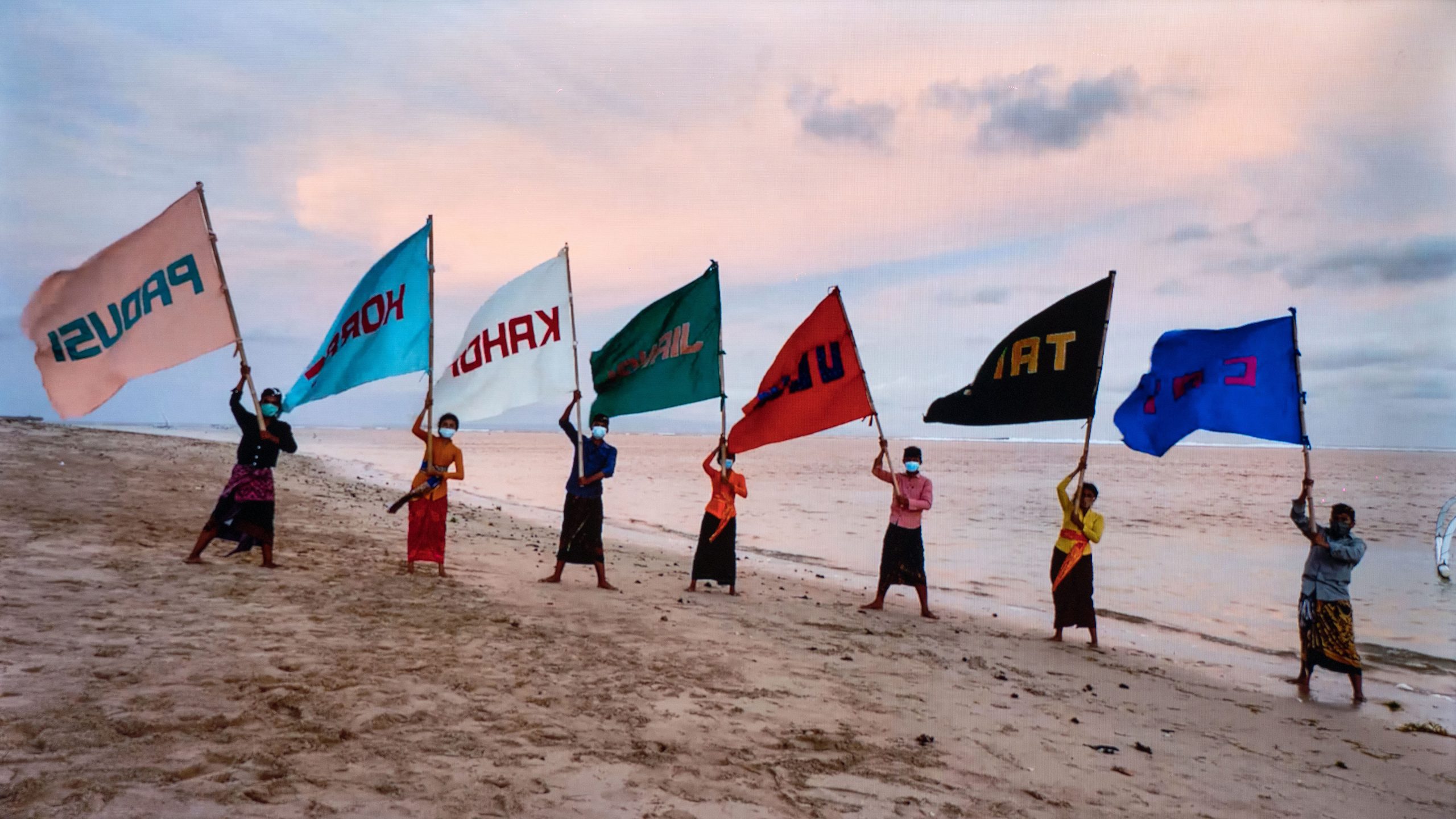
One of Southeast Asia's most distinctive biennials has come to an end. The Biennale Jogja Foundation announced this week that it is winding up its operations after 16 years, citing Indonesia's deteriorating political climate as the reason for stepping back. Since 2011 the foundation has organised eight editions of Biennale Jogja, alongside the Equator Symposium and Asana Bina Seni, a development programme for artists and curators. The biennial was known for its rotating curatorial pairings between Indonesian artists and counterparts from other equatorial countries, a format that set it apart from more conventional national showcases. In a statement, the foundation's representatives said they had concluded that the organisation needed to rest. They described a political regime that fails to recognise people's cultures as the foundation of cultural identity, and pointed to erratic economic and political policies, growing censorship and violence directed at activists and protesters. The closure lands at a tense moment for Indonesian cultural life, where artists and civil society groups have faced increasing pressure. The foundation framed the pause not as retreat but as a deliberate reclaiming of freedom, saying it wanted to redirect energy toward grassroots solidarity rather than continue operating under conditions it no longer accepts. Biennale Jogja's eighteenth edition, which ran earlier this year, will now stand as its last. The loss removes one of the region's few major platforms built on South-to-South dialogue, and leaves a significant gap in Indonesia's contemporary art calendar. The announcement has drawn responses from artists and curators across the region, many of whom credit the biennial with introducing Indonesian audiences to art from Africa, Latin America and the Middle East. Its equatorial pairing model influenced a generation of exhibition-making, and its absence will be felt well beyond Yogyakarta.