Museum report·Global
The Roma sitters in the Auschwitz watercolor fight are still nameless — and that absence is the point
A Hyperallergic opinion essay argues coverage of the dispute over Dina Gottliebova Babbitt's seven Auschwitz watercolors has ignored the murdered Roma prisoners she was forced to paint, asking what outcome would honour them rather than just settling ownership.
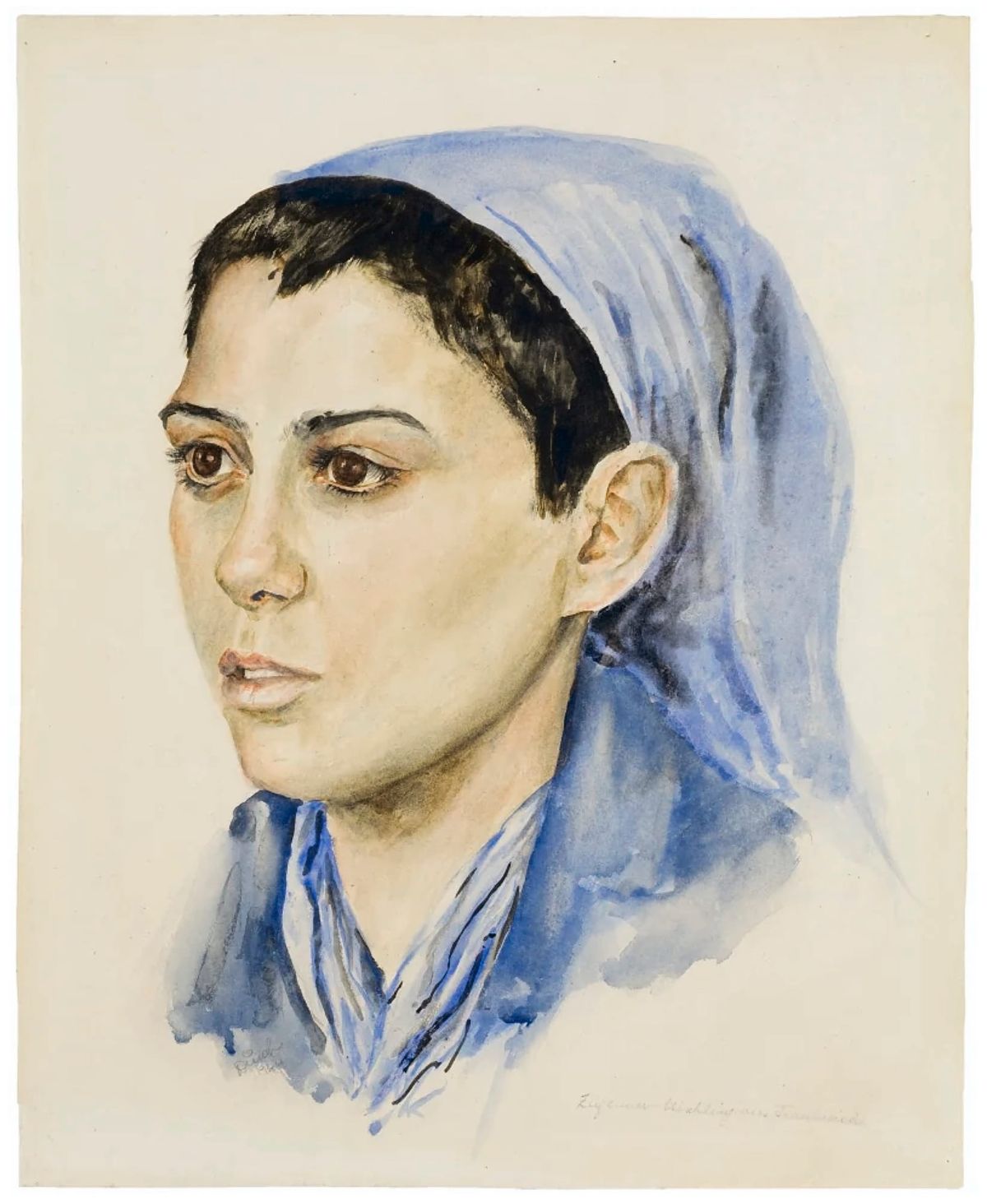
A new opinion essay published by Hyperallergic shifts the focus of a decades-old art dispute away from ownership papers and toward the people pictured in the works. The piece argues that reporting on the fight over seven watercolors by Holocaust survivor Dina Gottliebova Babbitt has treated the case as a contest between her family and the Auschwitz-Birkenau State Museum, while leaving the Roma prisoners she was forced to paint almost entirely out of the story.
The background is harrowing. Under orders from Josef Mengele, who ran pseudo-scientific experiments at Auschwitz, Babbitt painted portraits meant to record the physical traits of Roma prisoners. She produced the watercolors in an effort to save her own life and that of her mother. Every one of the people made to sit for those portraits was later murdered. One of the works reproduced with the essay shows a woman identified only as Celine.
The dispute returned to public attention after Babbitt's daughters brought a lawsuit in California seventeen years after their mother's death, reopening questions about where the seven paintings belong. The essay poses a different set of questions instead: what were the sitters' names, who is still grieving them, and what kind of outcome would actually honour them?
The author's point is that an ownership-only framing repeats the original erasure. The men and women in the watercolors risk remaining anonymous material from an experiment, rather than victims with identities, families and descendants. Any settlement, the essay suggests, should be judged by whether it restores dignity and memory to the Roma people depicted, and whether it interrupts the stigma that the experiment was designed to create.