Policy brief·Vlissingen
Seven Nations Sign Atlantic Wall Pact to Protect Second World War Defences Together
Seven countries along the Atlantic Wall have signed a joint Letter of Intent after a three-day conference in Vlissingen, pledging to coordinate preservation of the Second World War defensive line, including the paintings and drawings found inside its bunkers.
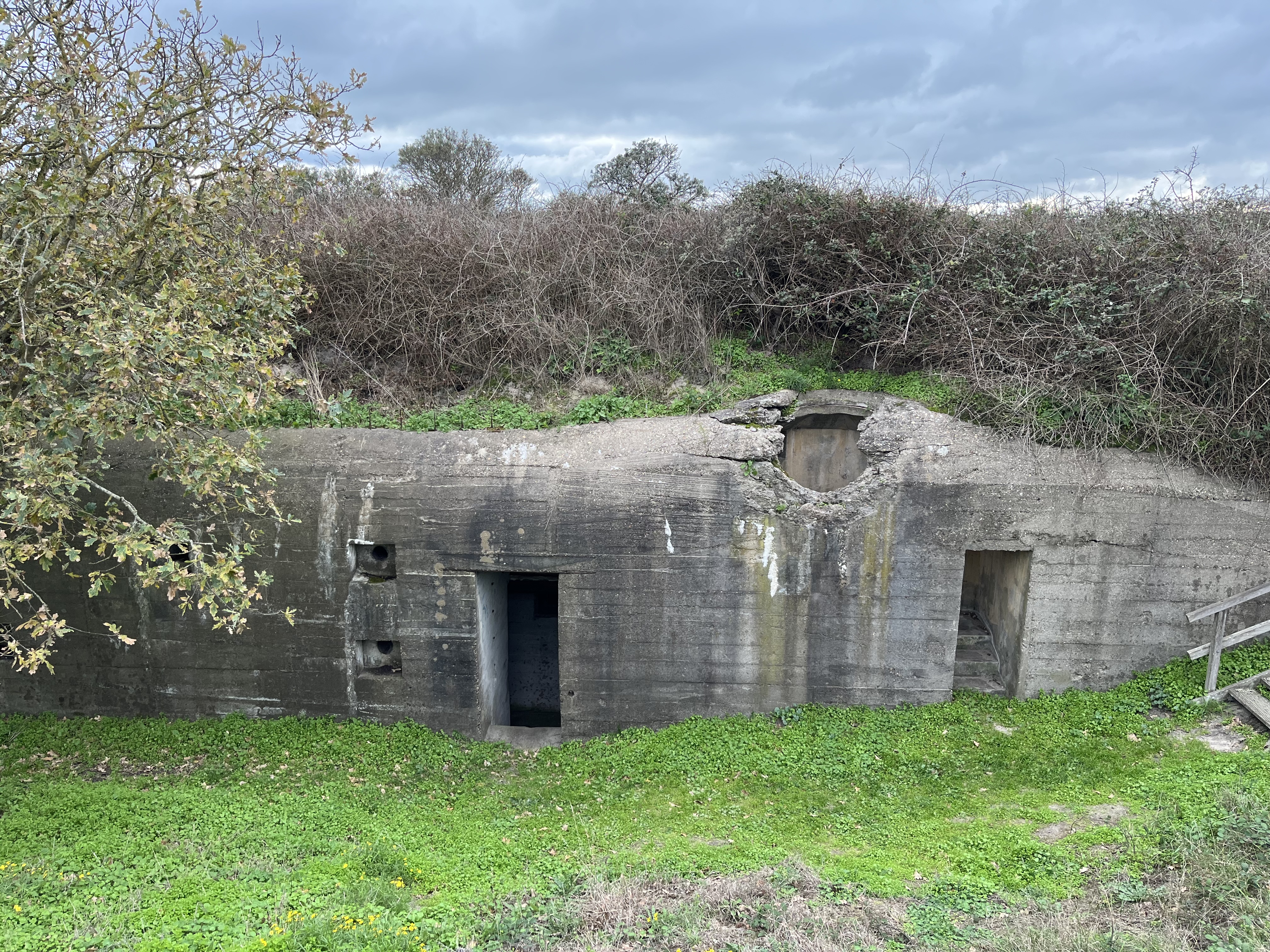
Seven countries have agreed to work together on the future of the Atlantic Wall, the vast defensive line built by the Nazi regime along Europe's western coast during the Second World War. Government authorities and heritage organisations from France, Belgium, the Netherlands, Germany, Denmark, Norway and the Channel Islands signed a joint Letter of Intent at the close of a three-day conference in Vlissingen, in the Netherlands, on 4 November.
The meeting, organised by the Cultural Heritage Agency of the Netherlands, brought representatives from all seven countries together for the first time in many years. It was held at a place where fierce fighting took place around the Atlantic Wall during the Battle of the Scheldt in November 1944, a setting that underlined the line's shared and traumatic history. Although the remains are spread across seven countries, they form a single interconnected military system, and the conference set out to build an international network to support the countries in managing it.
A central aim is to bring national policies into closer alignment. Preservation and management approaches differ from country to country, and the participants explored ways to coordinate them, including how to deal with paintings and drawings discovered inside bunkers. The Letter of Intent commits the signatories to keep working together on the preservation, management and interpretation of the remains, and to learn from one another's experience.
The countries also identified shared threats to the line's long-term survival, among them coastal change, climate change, nature conservation, tourism and spatial planning. Another objective is to improve public awareness, interpretation and accessibility across national borders, based on the conviction that freedom should never be taken for granted. By joining forces, the signatories hope to move towards a more coordinated and sustainable approach to caring for the Atlantic Wall and communicating its significance to present and future generations.