Exhibition preview·London
Green is having a moment: contemporary painters turn to emerald, leaf and lime
From Salman Toor's verdant reinterpretation of Manet at the Courtauld to the work of Brook Hsu, Colleen Barry, Jenny Morgan and Huang Zhe, contemporary painters are embracing green as a colour of renewal, memory and unease.
Green is becoming the defining colour of contemporary painting. At the Courtauld Gallery in London, Salman Toor's "The Bar on East 13th" (2019) anchors "Someone Like You", the New York painter's first solo museum show in Europe, on view through 10 January. The work reimagines Edouard Manet's "A Bar at the Folies-Bergere" (1882), which hangs in an adjoining room as part of the Courtauld's permanent collection, but where Manet worked in blacks, greys and whites, Toor paints a seductive scene in lush leafy greens. About half of the 19 paintings of queer and immigrant life in the show are dominated by the hue, which Toor first embraced around 2019 and has described as glamorous, nocturnal and inviting.
Toor is the best known of a wider group working with green palettes. Brook Hsu, Colleen Barry, Jenny Morgan and Huang Zhe are among the contemporary artists turning to the colour, drawn by associations that run from nature and renewal to toxicity and the alien. For these painters, green is the nuanced colour for complex times: it can feel alive and distant at once, and it resists being read too quickly.
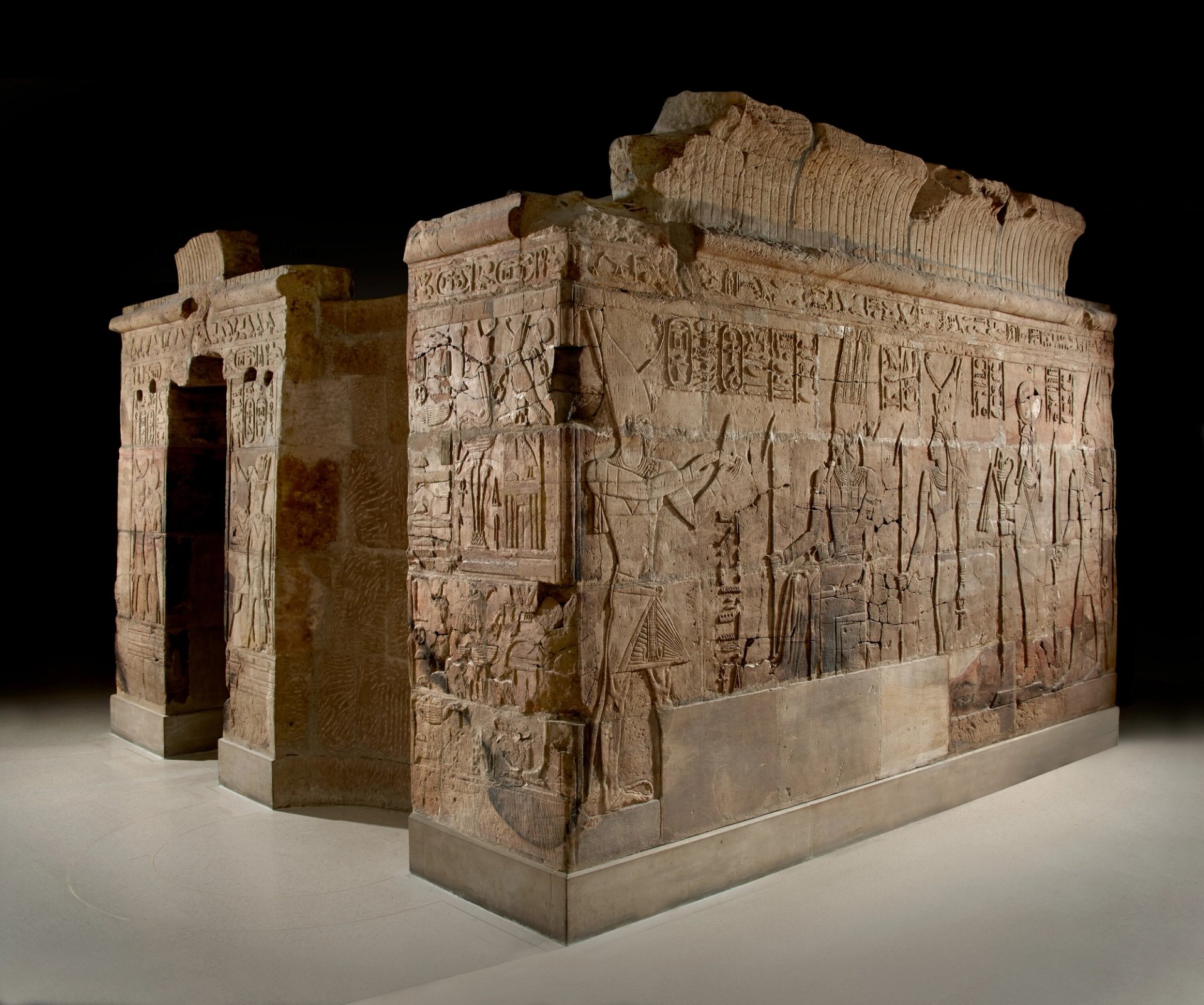
The colour's history runs deep. Art historian Evie Hatch, who runs a popular Instagram account on pigment history, notes that the earliest known uses of green in art trace back to malachite in ancient Egypt, where artists gave the god Osiris, associated with agriculture, fertility and the afterlife, green skin to link the renewal of vegetation to his resurrection. The association between green and fertility and growth has recurred across cultures ever since.
For Florence-based artist Huang Zhe, green is the colour of memory. He grew up in a Buddhist family in southern China, where ceremonies and folk rituals were red, the colour of good fortune. After more than a decade away, studying in Beijing and then Italy, he found the red of his hometown fading in his memory, first into yellow and then into green. Green became a way of filtering perception and emotion, carrying estrangement at first and, as his work developed, associations with nature and vitality.