Market dispatch·New York
Sotheby's to Offer $450 Million Argentine Trove, With $180 Million Van Gogh in Line for a Record
Sotheby's will sell 12 Impressionist and Modern masterpieces from the Blaquier-Arrieta collection in New York on November 18, estimated at around $450 million. A Van Gogh chestnut-tree canvas at $180 million and a Cézanne Harlequin at $120 million could both set artist records; the works have been largely unseen for half a century.
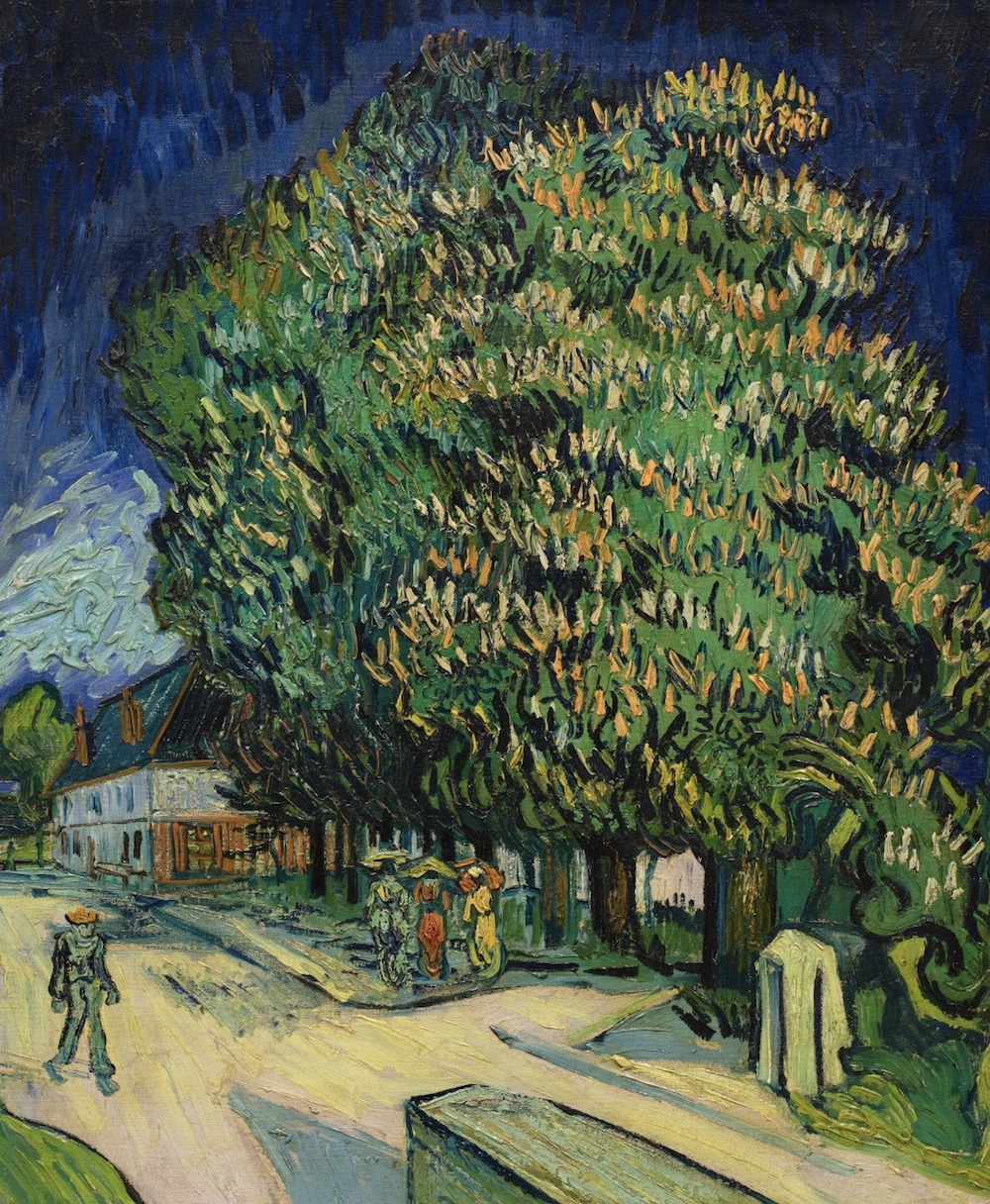
Sotheby's has pulled back the curtain on one of the art market's most whispered-about holdings. The Blaquier-Arrieta collection — twelve Impressionist and Modern paintings assembled by Argentine collectors Carlos Pedro Blaquier and Nelly Arrieta de Blaquier — will headline the house's Marquee Week in New York on November 18, carrying a combined estimate of roughly $450 million. Nearly all of the pictures have been out of public view for decades. The anchor is Vincent van Gogh's Châtaigniers en fleurs, a blossoming chestnut tree painted in May 1890, days after the artist reached Auvers-sur-Oise following his release from the asylum at Saint-Rémy. Carrying an estimate of about $180 million, it sits well above the artist's standing $117 million auction record and is described by the house as the most ambitious of the few late landscapes from this period still in private hands. The picture passed through Theo van Gogh, Johanna van Gogh-Bonger and several American collectors before the Blaquiers bought it from Wildenstein in 1975; it has not been exhibited publicly since. Paul Cézanne's Arlequin, estimated around $120 million, could be the second record in the same evening. Painted between 1888 and 1890 with the artist's teenage son as model, it is one of four late Harlequin canvases and the only one outside a museum. When a smaller related Harlequin sold at Sotheby's in 1988 for $8.2 million, it was then the second-highest price for Cézanne at auction; a new benchmark now looks near-certain. The remaining ten lots read like a condensed history of the movement: Renoir's En Canot ($25–35 million), Pissarro's Parisian boulevard scene ($30–40 million, unseen since 1958), Degas's pastel Avant la course ($20–30 million), Monet's Le Jardin des Tuileries ($15–20 million), plus works by Gauguin, Derain, Sisley, Vlaminck and Toulouse-Lautrec. Sotheby's vice chairman Julian Dawes called offering either anchor painting alone remarkable, and both together the kind of sale that arrives perhaps once in a specialist's career.