Exhibition preview·Tokyo
Ten Curators, Ten Galleries: Art Week Tokyo Turns the Whole City Into Its Centrepiece
Art Week Tokyo has rebuilt its centrepiece platform for 2026, replacing a single central show with ten curator-led exhibitions staged across ten galleries and art spaces around the city, as the event's fifth edition brings together a record 56 museums and galleries from 4 to 8 November.
Art Week Tokyo is abandoning the single-venue centrepiece for its 2026 edition. AWT Focus, launched in 2023, will instead spread across the city: working with Curated by, the Vienna gallery festival, the organisers have invited ten curators to stage ten exhibitions in ten participating galleries and art spaces. The change brings the platform in line with the event itself, which has no central site and links its venues with free shuttle buses. Running from 4 to 8 November, the fifth full edition gathers a record 56 museums and galleries.
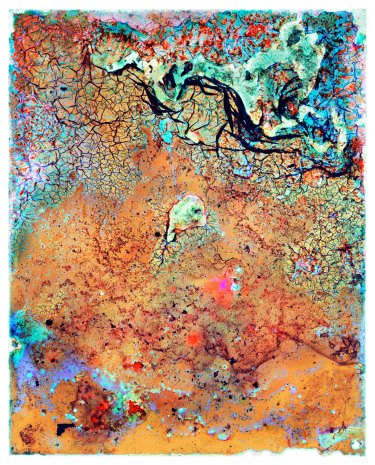
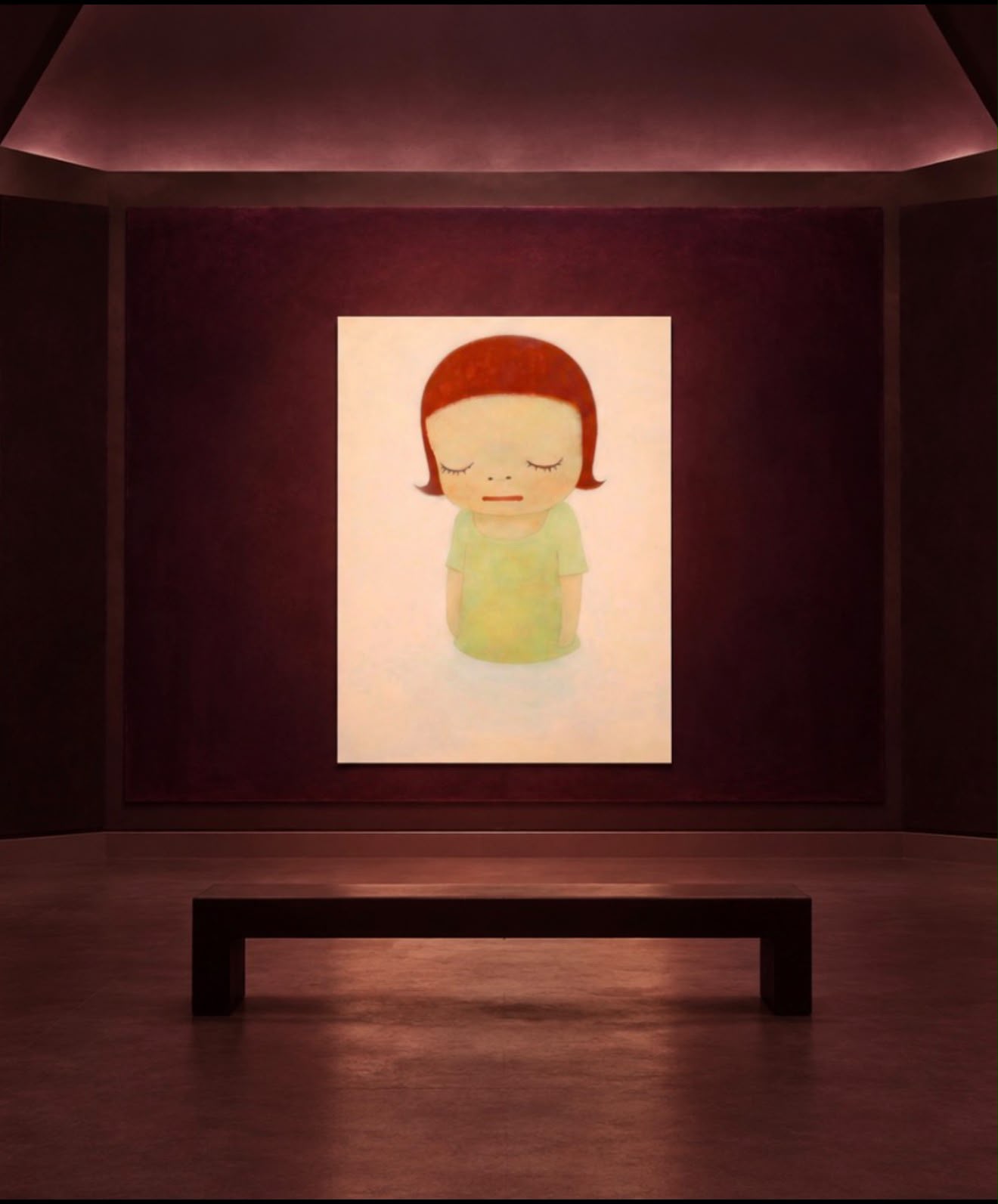
The ten projects span generations and geographies. Polish curator Maria Brewinska presents Japan-born, Poland-based artist Koji Kamoji, 91, at Take Ninagawa. Ekow Eshun curates British-Sierra Leonean artist Julianknxx at Space Un in the artist's first show in Japan, built around salt, multimedia works and choral performances drawing on oral traditions from Comoros. Augusto Arbizo assembles an intergenerational conversation on painting at Yutaka Kikutake Gallery, while Greg Dvorak and Kenji Ono return with the latest edition of The Constitution of Japan, rereading the post-war charter through art at Mujin-to Production, with a second site at Aoyama | Meguro.
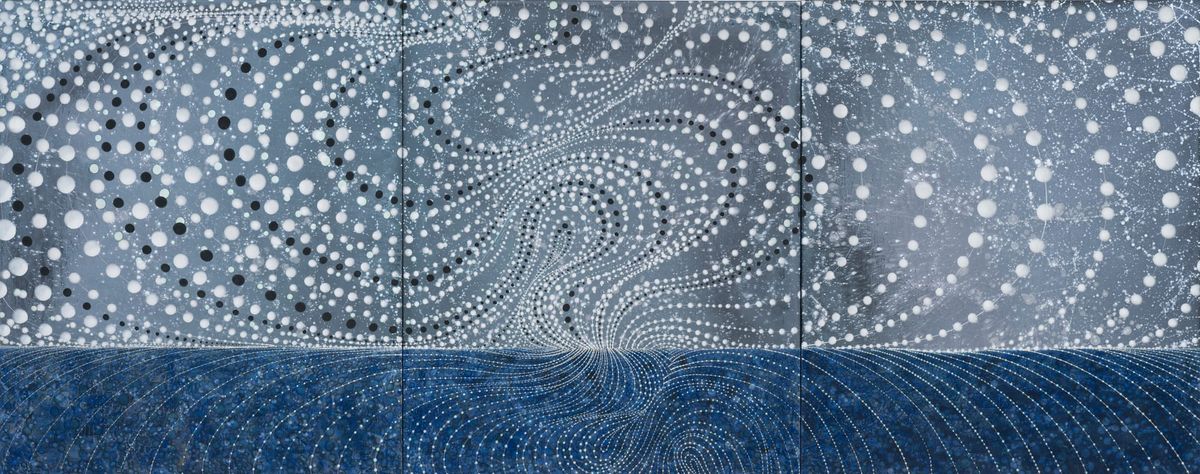
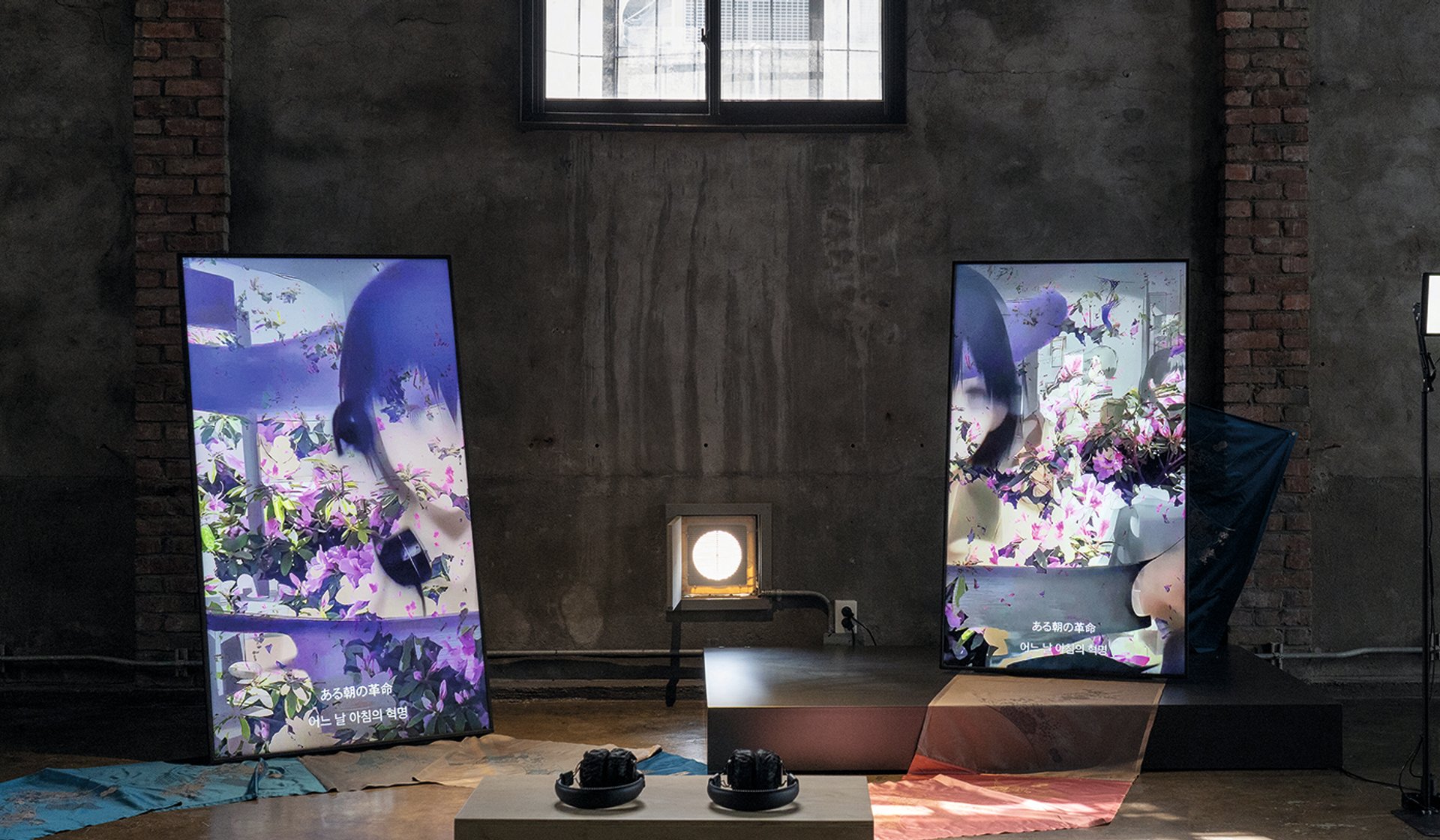
Other pairings include the feminist collective Multiple Spirits, whose Patchwork of Ruffled Wings at Waitingroom weaves zines and textiles into what the group calls a vine-like archive of girls' culture, queer culture and social movements. Seoul-based curator Jaemin Shin works with Tokyo artist and poet Natsumi Aoyagi at Misa Shin Gallery, starting from Tokyo Bay's artificial islands and the records that created them. Jeremy Strick presents Los Angeles painter Mary Weatherford's first show in Japan at Shibunkaku, and Martin Clark oversees a site-specific project by Nobuko Tsuchiya at SCAI The Bathhouse.
Co-founder and director Atsuko Ninagawa describes the dispersed format as another way of engaging the city, arguing that the aim is to bring multiple worldviews to Japan rather than organise around one curatorial proposition. Attendance has grown steadily, rising 33 percent between 2022 and 2023 and a further 15 percent in 2024. Ninagawa says the week has helped rebrand a Japanese art scene once overlooked globally, with overseas visitors increasingly arriving to learn about Japanese artists.