Market dispatch·Paris
Fairs Are Pricing Out the Public: €47 Tickets and a Paris Closure Put Access on Trial
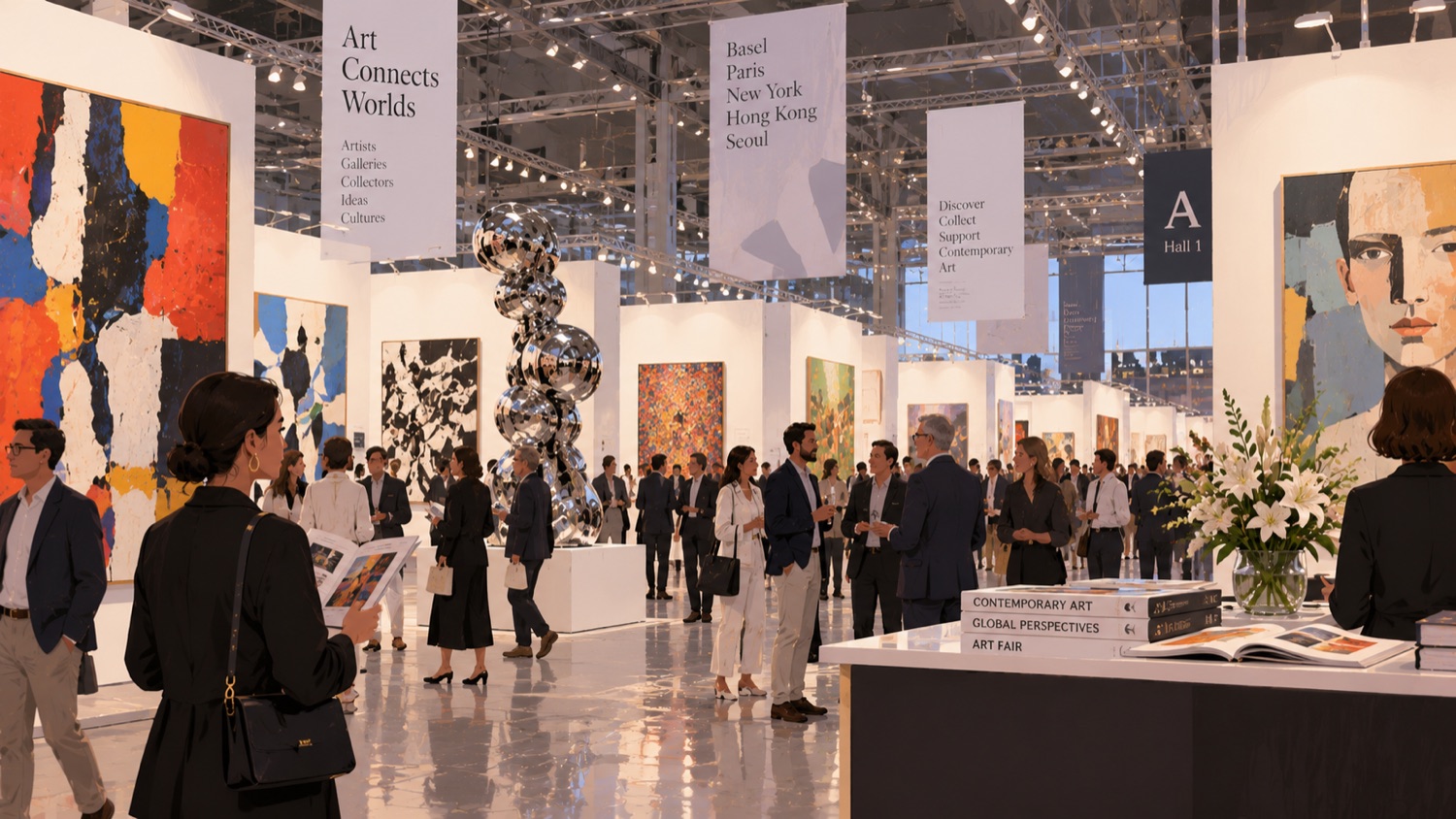
After Art Basel Paris closed two days early amid street protests, a report asks whether the world's biggest art fairs still want ordinary visitors at all: Frieze London charged the public £48 and Art Basel Paris €47, while stand fees dwarf ticket income and dealers admit the real business is done in the first VIP days.
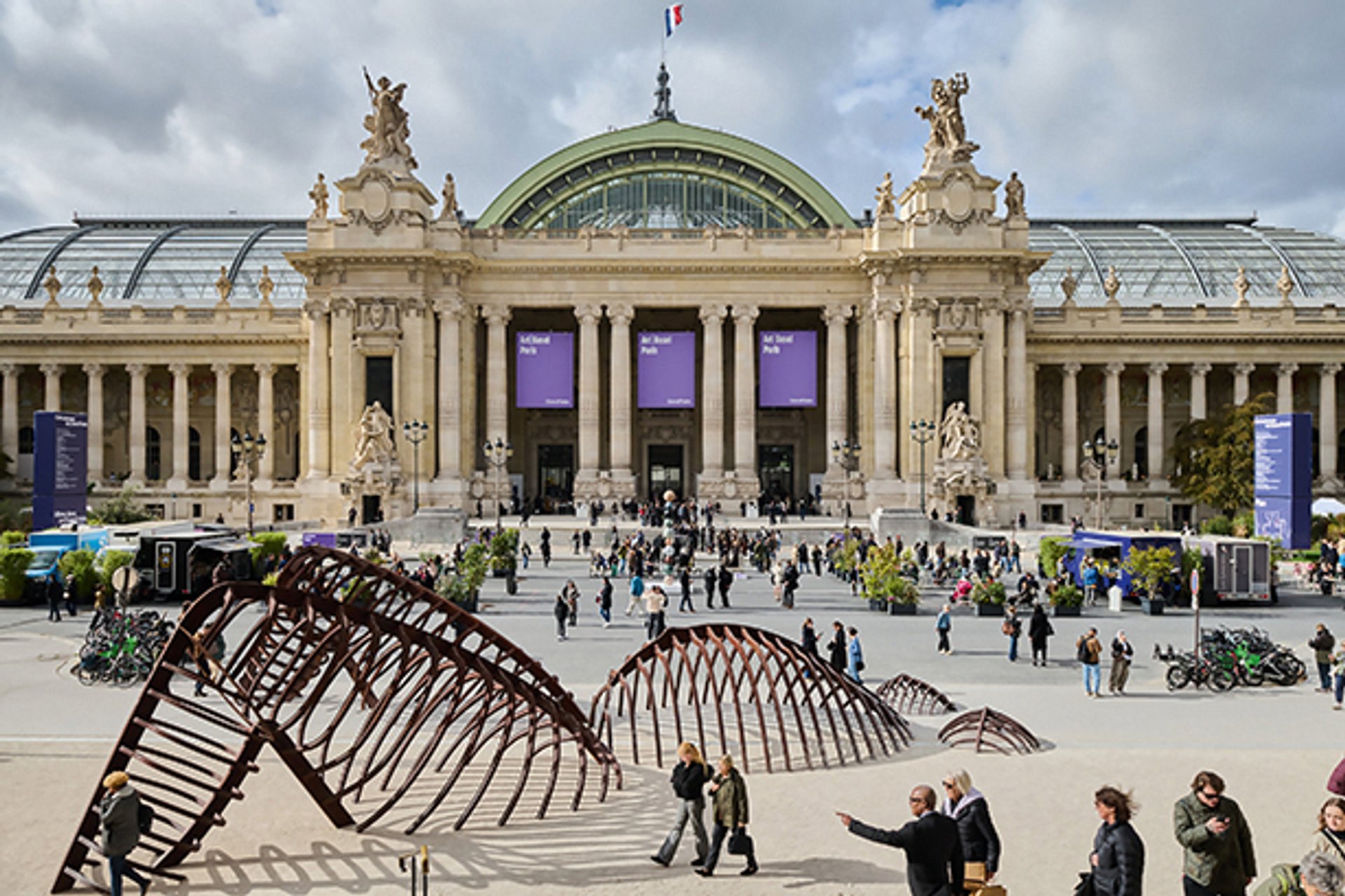
October's Paris art week ended with the flagship fair closing two days early and a question hanging over the whole model: do art fairs still care about ordinary visitors? Art Basel Paris shut on Friday evening after France's gallery association wrote an excoriating letter to fair director Karim Crippa, and exhibitors were recompensed 20 percent of their stand fees. The fair had run for three VIP preview days and just one day for the general public, while satellite fairs closed at lunchtime on Saturday.
The backdrop was a city in protest. Demonstrations that began in September with discontented school students had escalated, and on the Saturday more than 100,000 people turned out, mostly peacefully. The activist collective Pillage de Classe had urged protesters on Instagram to take back the Grand Palais, calling the fair a luxury playground where art shields the ultra-wealthy from taxation. The grievances run deep: youth unemployment in France stands at 21.5 percent, almost three times the rate in neighbouring Germany, while the net worth of the country's 500 richest people has risen from 6 percent of GDP in 1996 to 42 percent in 2024.
Ticket prices tell the same story of exclusion. In October the public paid £48 to enter Frieze London, with students charged £32, while Art Basel Paris charged €47 for a standard day pass and €30 for students. Analyst Magnus Resch calculates that stand fees generate at least €15 million for a fair of that scale, against less than €3 million from tickets. Charging the public €47 is not about the money, he argues, it is about keeping the fair exclusive.
The stakes go beyond manners. Collectors are traditionally advised to spend no more than 5 percent of their available wealth on art, so a €15,000 purchase implies €300,000 of spare cash, an intimidating figure for younger buyers. With established collectors ageing and selling rather than buying, the report argues this may be the moment for the market to think more about inclusivity than exclusivity, and to take a broader view of who counts as the right kind of people.