Exhibition preview·New York
A Grandmother's Opera Beard Takes the Stage as Alison Kuo Restages Cantonese Opera in New York
New York artist Alison Kuo staged a Cantonese opera performance at the New Museum on 22-24 October 2026, built around a costume beard inherited from her grandmother, a Hong Kong opera singer.
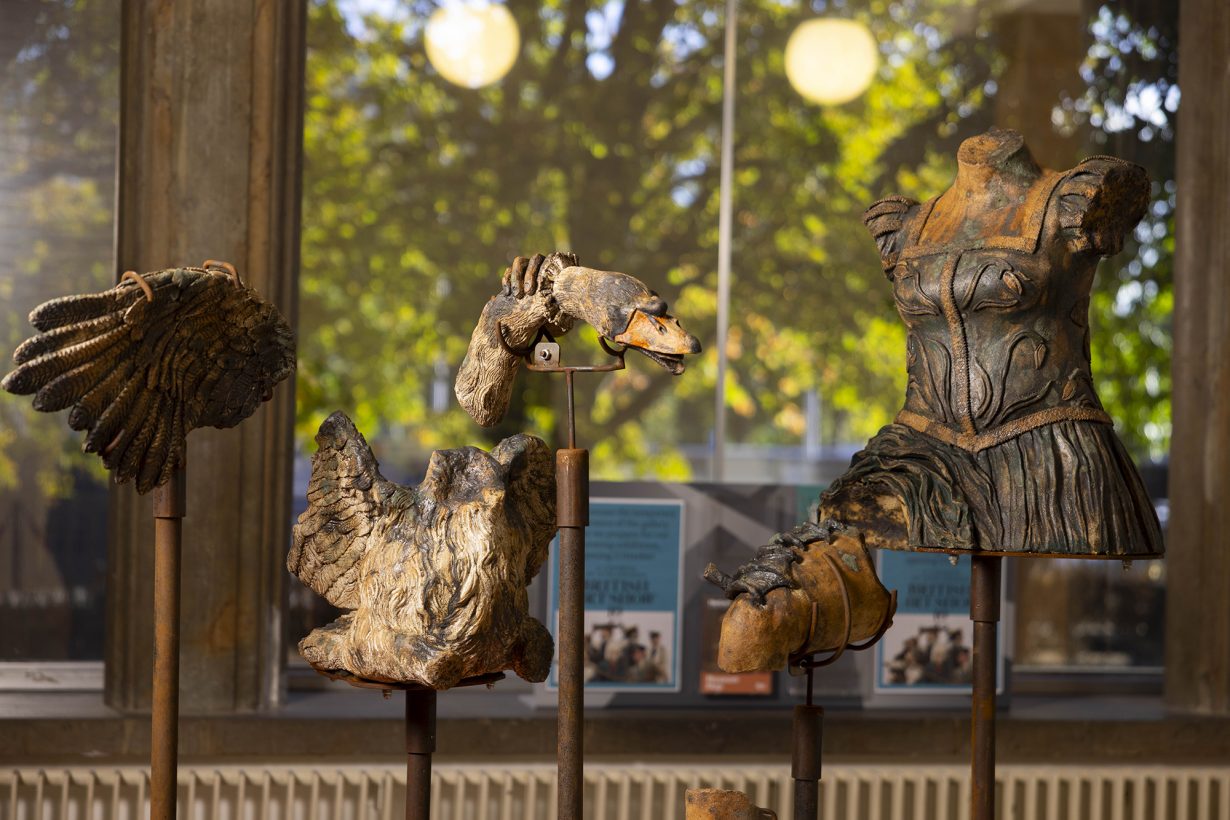
New York-based artist Alison Kuo brought a personal piece of family history to the stage at the New Museum on 22-24 October 2026, in a performance that reimagines Cantonese opera through her own heritage. The work takes its title from a Chinese idiom about passing the torch, and it grew out of an object Kuo inherited when her grandmother died: a costume beard her grandmother had worn while singing Cantonese opera in Hong Kong, always in the role of a military general.
Although gender-bending is common in traditional opera, the general was a part usually reserved for men, and that detail stayed with Kuo. In the years since finding the beard alongside photographs of her grandmother in full stage costume, she has studied Cantonese opera in depth, from its singing and staging to its costumes and set design. In the performance, Kuo herself takes on the role of the general, channelling her grandmother, while the story opens with Kuo and her cousin looking through family photographs before being swept into the world of opera.
The cast reflects the collaborative way Kuo works. Her cousin Anna Kuo performs alongside her neighbour and former go-go dancer Mark Bolling, teenage performer Mei Brunette, and Queens-based dancer and textile artist Annika Cheng. Local musicians play traditional Chinese instruments, and three Cantonese opera singers who perform regularly in Manhattan's Chinatown, including Kuo's mentor MeeMee Chin, also appear on stage. Kuo made the sets and several costumes herself, borrowed others from local performers, and even wears some of her grandmother's old dresses.
Kuo's practice as an artist and community organiser has long centred on collaboration and the Asian American experience. She co-founded a Chinatown self-defence and support group for Asian Americans in 2021, and she has been an artist-in-residence at the New Museum since June, working from a studio on the museum's sixth floor. The performance ends, she says, with a transformation: her character grows more confident as she takes part in an art form that has endured for hundreds of years, with the torch passing from her grandmother and Chinatown's singers to a new generation.