Museum report·Teteles de Avila Castillo
Ancient star-watching structure unearthed in Mexico after 11 years of digging
Researchers at Teteles de Avila Castillo in Puebla say they have identified a 2,500-year-old solar observatory, possibly the first of its kind in northern Puebla, alongside ceramic offerings, infant remains and obsidian objects that point to long-distance trade and ritual use.
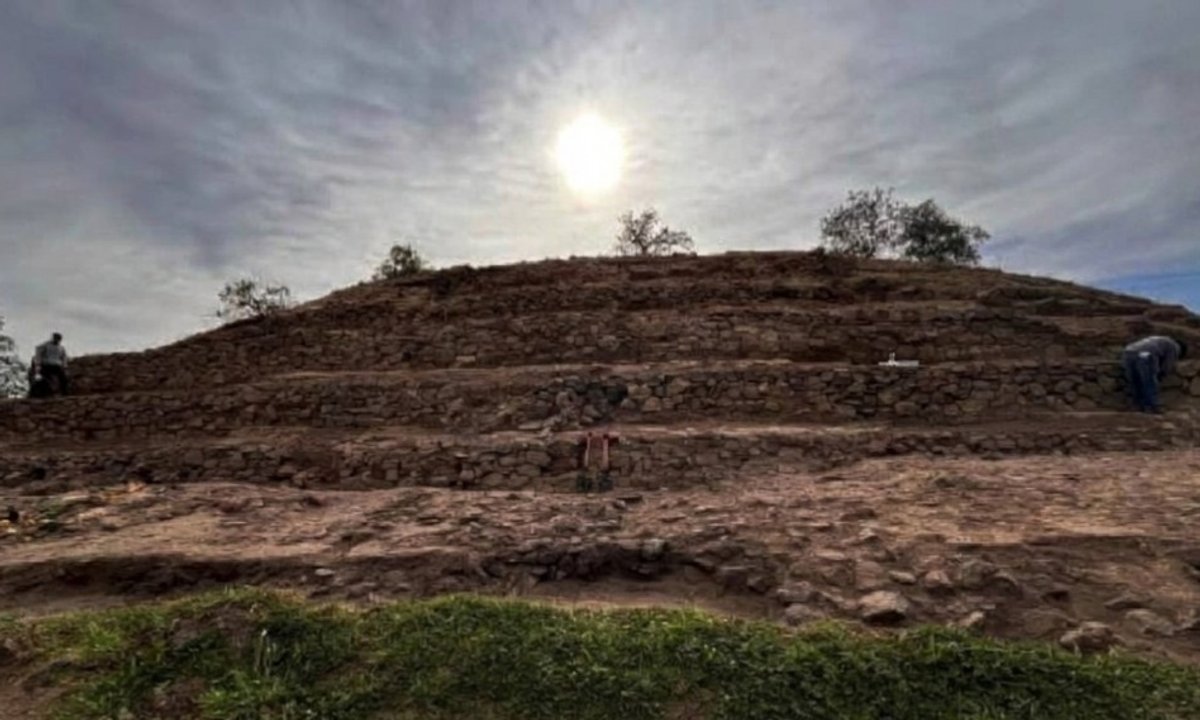
An eleven-year research programme in the Sierra Norte of Puebla, in east-central Mexico, has produced a striking claim about how ancient communities tracked the sky. Mexico's National Institute of Anthropology and History has announced that investigators at Teteles de Avila Castillo have identified a structure they interpret as a solar observatory dating back roughly two and a half millennia, potentially the first example of its type recognised in northern Puebla.
The site itself carries a complicated modern history. First recorded in 1939, the nine-hectare settlement stayed in private ownership for decades and suffered looting and damage. Its owner gave 3.5 hectares to the institute in 2007, and systematic fieldwork began in 2015 with backing from a local civil association, while the remaining private land still limits what can be excavated.
Sixteen pre-Hispanic pyramidal structures at Teteles show several phases of occupation. Project director Alberto Diez Barroso Repizo says the settlement flourished during the Middle Preclassic period, between about 900 and 600 BC, before declining around AD 100, possibly as the nearby city of Cantona grew. Green obsidian beads found with infant remains suggest links with Teotihuacan, which controlled the Hidalgo quarry where that material originated, and the range of obsidian objects hints that residents may have made and traded obsidian tools along an active route.
Ritual activity appears to have continued long after the settlement faded, with later offerings suggesting it became a place of pilgrimage. The observatory claim rests on a resemblance to E-Group complexes at Maya sites such as Uaxactun in Guatemala, and on a possible alignment of the main twelve-metre pyramid with the star Canopus. An independent archaeoastronomy specialist, Ivan Sprajc, urges caution, noting that such complexes were often ceremonial or residential first, with solar alignments woven into a wider agricultural calendar. Plans are under way to open the site and a museum to the public, though no date has been set.


