Museum report·Global
Seven Museums to Mark Wolf Kahn's 100th Birthday with Solo Shows Across 2027
Seven museums in Germany, New York and Vermont will mount solo exhibitions for the centenary of Wolf Kahn, the German-born painter who fled to America as a refugee in 1940 and spent seven decades rendering landscapes in luminous, exaggerated colour.
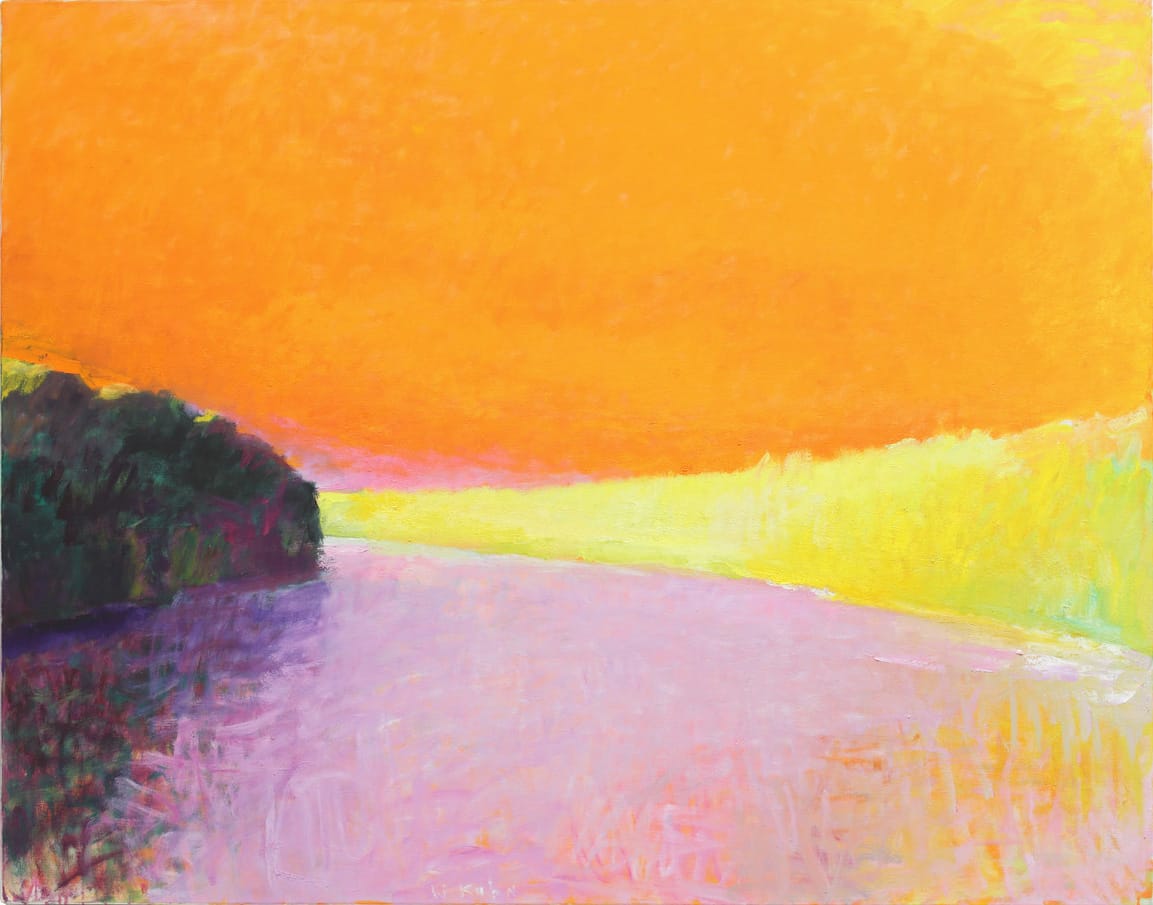
Seven museums will stage solo exhibitions celebrating the centenary of Wolf Kahn, the late abstract landscape painter, with a programme unfolding across 2027. Assembled by the artist's namesake foundation, the shows will present reputed, lesser-known and never-before-seen work in places that shaped his life and career, in Germany, New York and Vermont, ahead of what would have been his 100th birthday next October.
Kahn was born in 1927 in Germany to a Jewish family and moved to the United States in 1940 as a refugee during the Second World War. New York City became his home base and a lasting influence on his work. He also spent significant time in Martha's Vineyard and Provincetown, Massachusetts, where he worked as a studio assistant to the Abstract Expressionist Hans Hofmann, before buying a farm in West Brattleboro, Vermont, where he painted outdoors each summer from 1968 until his death in 2020.
Over seven decades Kahn built a reputation for rendering nature through luminous, exaggerated and arbitrary colour, creating a glowing effect across his landscapes while melding the representational with the abstract. The centenary programme draws on the breadth of that career, from the works that made his name to pieces that have rarely or never been shown in public.
The foundation behind the programme recently opened a permanent home for its archives in New York City this summer, consolidating the records of an artist whose life spanned flight from Nazi Germany to a long career at the centre of American painting. The American Academy of Arts and Letters is among the institutions taking part in the centenary year, which will carry Kahn's saturated landscapes to audiences in the places where he lived, worked and painted.