Market dispatch·Vienna
Vienna's Gallery Exodus: Four Spaces Close or Shrink as Sales Dry Up
Four of Vienna's contemporary galleries — Layr, Exile, Zeller van Almsick and Eva Presenhuber's space — are closing or drastically shrinking, as rising costs and a thin local collector base squeeze the Austrian capital's commercial scene.
Four of Vienna's leading contemporary galleries are closing their doors or radically shrinking, in the clearest sign yet that Austria's small commercial scene is buckling under rising costs and thin sales. Layr, Exile and Zeller van Almsick are all winding down or reinventing themselves, while Eva Presenhuber — who opened a Vienna space only in 2022 — has confirmed she is leaving the city as sales falter.
The closures end long runs. Exile is shutting after 18 years and Zeller van Almsick after nearly a decade, with co-founder Magdalena Zeller describing the past two years as financially extremely challenging. Exile founder Christian Siekmeier was blunter still, saying there are simply no new collectors emerging. Emanuel Layr is closing his corner gallery in favour of a nomadic, project-based practice, keeping only a small by-appointment space in the city. He argues the traditional gallery model is reaching its limits: the cycle of fairs and six-weekly exhibitions no longer pays, with a single art fair able to swallow another €100,000.
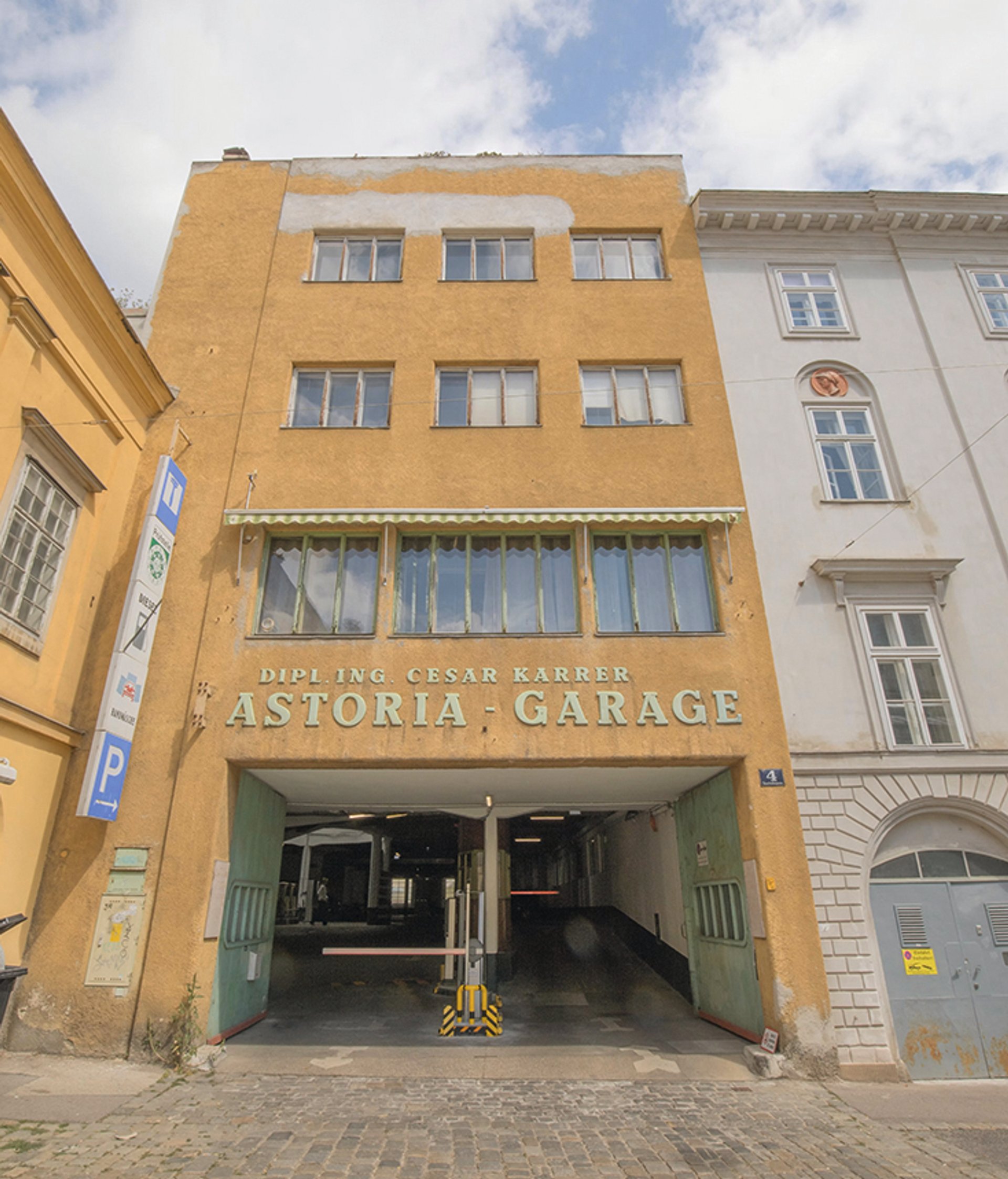
Yet the same reporting finds energy at the grassroots. September's Astoria Artshow, staged in Europe's oldest garage, drew a notably young crowd, with participating galleries paying just €500 — and it returns next year as a fair, filling a gap left by Viennacontemporary, which shows no sign of coming back. The city also still has its month-long Curated By festival, backed by the city and state since 2009.
The deeper problem, collectors say, is demographic. Long-time buyer Eva Frey, who sits on the board of the Mumok museum, notes that collectors over 70 cannot sustain the scene alone, while the 45-to-55-year-old professionals who once formed its core are fewer and more cautious with their money. Zeller puts it as a gap between Vienna's cultural importance and the depth of its local collector base — a local version, the report suggests, of a strain running through the wider art market.