Museum report·United Kingdom
UK Museums Returned Almost 500 Items in 12 Years, Study Finds
A UCL-led study published in Heritage & Society found UK institutions returned 491 cultural items between 2010 and 2022, with human remains making up 69% of returns and the Natural History Museum accounting for most of them.
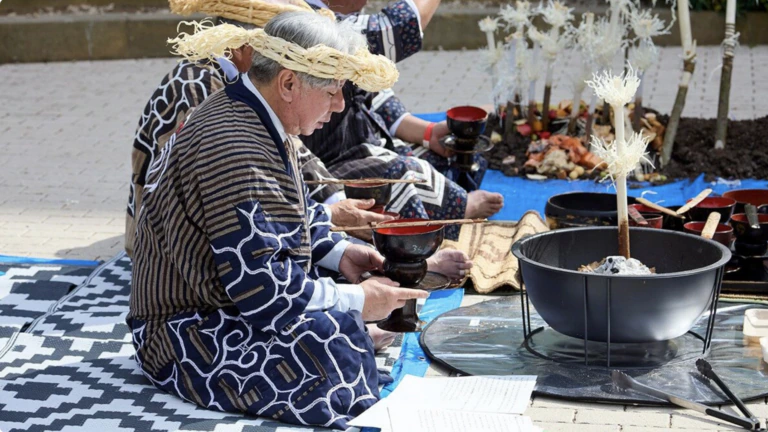
UK museums and institutions returned almost 500 cultural items between 2010 and 2022, according to the most comprehensive quantitative study of repatriation in Britain to date. The research, led by University College London and published in the journal Heritage & Society, counted 491 items returned across 29 case studies involving seven recipient countries, and it reveals a pattern very different from the public debate about restitution, which tends to focus on famous objects.
Human remains made up 69% of everything returned, and the Natural History Museum accounted for 59% of all items and 75% of the human remains. The study also recorded 153 cultural heritage items returned, a smaller but significant share that includes objects taken during the colonial period. The lead researcher, Rachel Gatehouse, a doctoral student in UCL's Department of Information Studies, described the work as the most complete quantitative overview of UK repatriation yet produced.
The findings show that repatriation in Britain has been driven less by high-profile disputes over named treasures than by steady, often unpublicised work on human remains and ancestral material, much of it handled by natural history collections rather than art museums. The study also found a shift over the period toward returning more material culture alongside remains.
The research arrives as museums face growing pressure to examine the provenance of their collections and to return items taken under colonial rule. Its authors say the numbers provide a baseline against which future returns can be measured, and they suggest that the scale of repatriation already achieved is larger than many in the sector realised.