Museum report·Istanbul
AI That Hunts Looted Art: Turkey Reclaims 100 Antiquities from the US
Turkey has presented 100 cultural artefacts reclaimed from the United States at the Istanbul Archaeological Museums, crediting a new AI platform that scans auction sites and social media for trafficked Turkish objects, alongside isotope science and mould-matching.
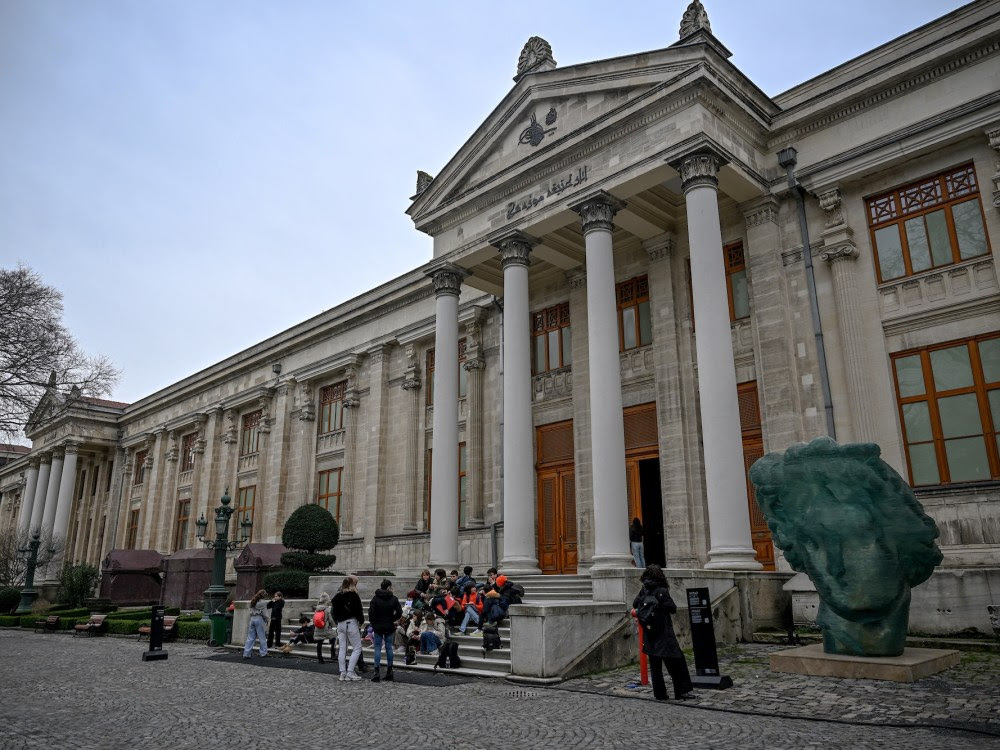
Turkey has unveiled 100 cultural artefacts reclaimed from the United States, presenting them at the Istanbul Archaeological Museums in a ceremony that also opened an exhibition reuniting bronze statues looted from the ancient city of Boubon. The return is the visible result of a recovery system that now runs on forensic science and artificial intelligence.
At the centre of the effort is TraceART, a platform developed by Turkey's Ministry of Culture and Tourism and in use since 2025. It scans auction listings and social media around the world for objects matching a database of documented Turkish heritage, flagging suspects for expert review. It works alongside two laboratory techniques: lead isotope analysis, which can show where ancient bronze was smelted, and geometric mould-matching, which can prove a sculpture belonged to a particular pedestal.
The recovered group spans millennia. It includes 40 objects from Horoztepe, dating to between 2300 and 2000 BCE, among them ceremonial instruments, weapons and metal vessels, and 44 terracotta architectural panels from Duver, dating to the sixth century BCE. The Boubon bronzes, Roman imperial portraits illegally dug up in the 1960s and scattered among collections abroad, were identified through analysis of their joins, soil and lead isotopes.
The case began in May 2026, when a US auction house listed Anatolian artefacts for sale. Turkey's ministry compiled scientific evidence and shared it with the Manhattan District Attorney's Office and US Homeland Security Investigations, and the sale was halted. Matthew Bogdanos, the assistant district attorney who leads Manhattan's Antiquities Trafficking Unit, attended the Istanbul ceremony; his unit has now recovered 6,452 looted antiquities, including 276 of Turkish origin.