Exhibition preview·Global
From the air, a photographer maps the mines behind the green transition
German photographer Tom Hegen spent six years photographing the mines that supply the green energy transition, gathering 247 aerial images into a new book, The Mineral Age, published by Hatje Cantz.
The shift away from fossil fuels will require an enormous amount of digging. According to ClimateWorks, meeting energy demand before 2050 will mean extracting some 6.5 billion tons of cobalt, copper, lithium, nickel and other materials. Most of those resources lie in places already bearing the heaviest effects of climate change, from Chile's Atacama Desert to Indonesia's nickel country and the cobalt fields of the Democratic Republic of Congo.
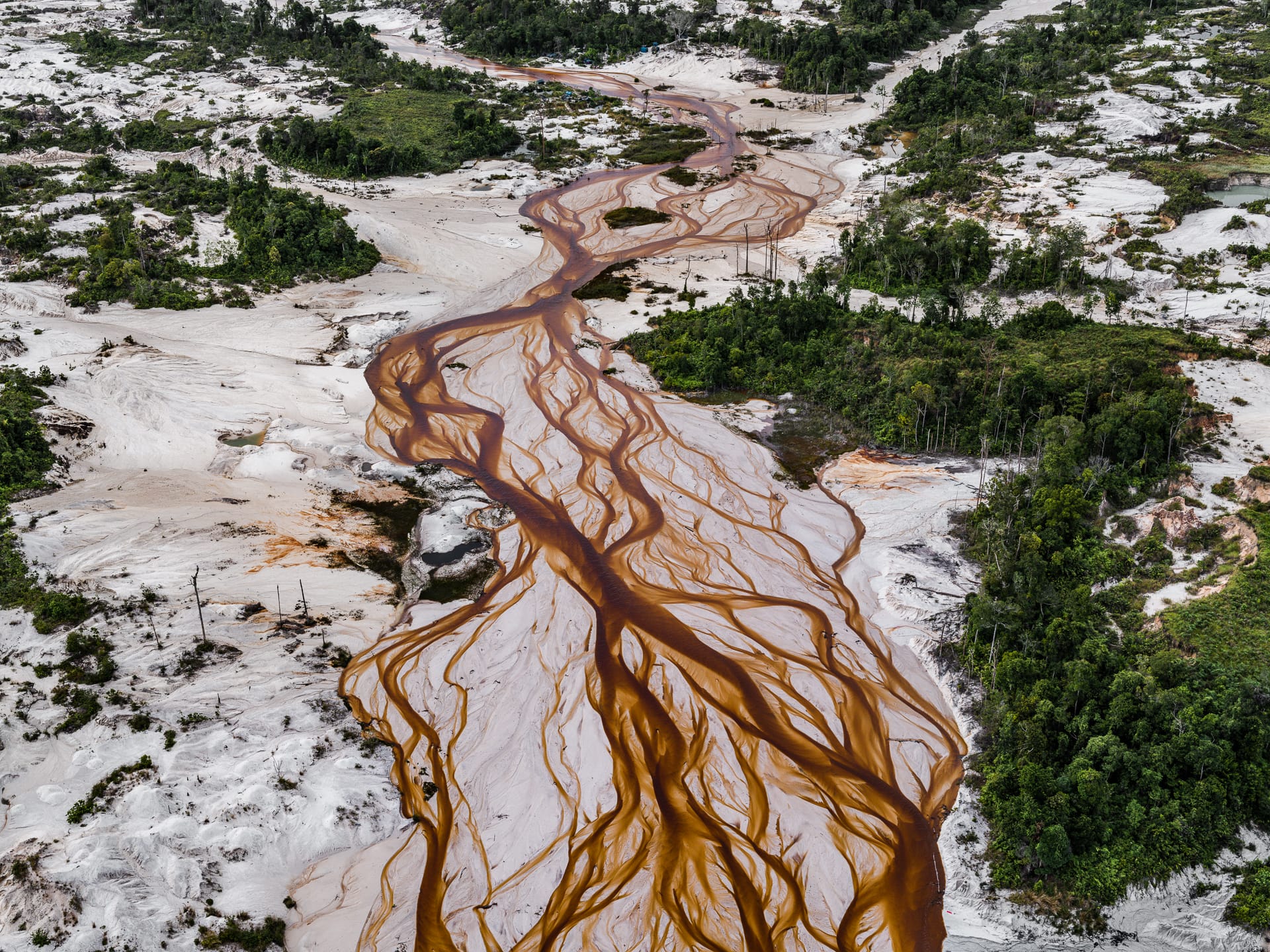
German photographer Tom Hegen has spent six years travelling to those places to record what the transition looks like from above. Working with drones and small aircraft, he has assembled 247 aerial photographs into a new book, The Mineral Age, published by Hatje Cantz and now available for pre-order. The images turn industrial landscapes into striking abstract compositions: candy-coloured lithium evaporation ponds in the Atacama, an ochre nickel pit pressing against rainforest in Sulawesi, artisanal cobalt workings at Kolwezi, and a river discoloured by unlicensed gold mining in Borneo.
Hegen's argument is not against the energy transition itself. He insists that moving away from fossil fuels is essential, but warns that the minerals it depends on are concentrated in a handful of countries, creating fresh geopolitical dependencies and exposing local communities to environmental and social costs that rarely make headlines. He frames the central question as one of fairness: who ultimately pays the price for a cleaner energy system.
The book also sets his aerial viewpoint against a different kind of witness. In the Atacama, Indigenous communities around the Salinas Grandes have spent decades resisting lithium extraction with artist Tomas Saraceno, working from within the landscape itself. Hegen's photographs offer the opposite vantage, pulling back to show the scale of transformation at a glance, and asking viewers to hold both perspectives at once.