Museum report·Tokyo
Tokyo Metropolitan Art Museum turns 100 with Orsay masterworks and free history shows
Japan's first public art museum, founded in 1926, has opened its centenary programme with a show of Orsay masterpieces, followed by two free exhibitions tracing its own history.
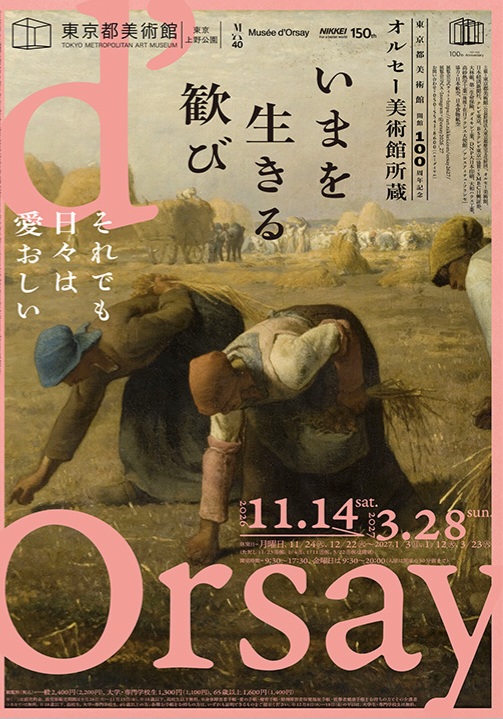
The Tokyo Metropolitan Art Museum has begun a year of celebrations for its centenary, marking 100 years since it opened as Japan's first public art museum. Founded on 1 May 1926 as the Tokyo Prefectural Art Museum, the institution in Ueno Park now draws around two million visitors a year.
The programme opened on 14 November with an exhibition of masterworks from the Musee d'Orsay in Paris, presented under the title What a Wonderful World. Two further exhibitions, both free to enter, follow from 19 November: one looks back through the museum's own archive at a century of exhibitions and audiences, while the other, titled For You to Read the World, explores how art has been read and shared across the decades.
The museum was built as a civic space for the people of Tokyo, and its centenary identity leans on that public mission. Designer Tokujin Yoshioka has created a centenary emblem for the year, and the anniversary programming is designed to draw in visitors who may never have set foot in a museum before, as well as regulars who know the building well.
Over a century the museum has hosted touring exhibitions from around the world alongside shows by Japanese artists, becoming one of the country's busiest venues. Its centenary year is a chance to take stock of that role: a municipal museum that helped define what a public art institution could be in Japan, and that still treats free access and broad appeal as central to its purpose.