Museum report·Anaheim
TeamLab to Open First Permanent U.S. Museum in Anaheim in 2030
TeamLab will open its first permanent American museum in Anaheim, California, in 2030 — a 110,000-square-foot building at the $5 billion OCVIBE district, an investment of well over $100 million.

TeamLab, the Japanese collective behind some of the world's most visited digital art spaces, is finally building a permanent home in the United States. Its first American museum will open in Anaheim, California, in 2030, on the grounds of OCVIBE, the $5 billion entertainment and culture district now under construction. The 110,000-square-foot building, designed by Los Angeles architecture firm Smith-Clementi, will anchor one end of the district.
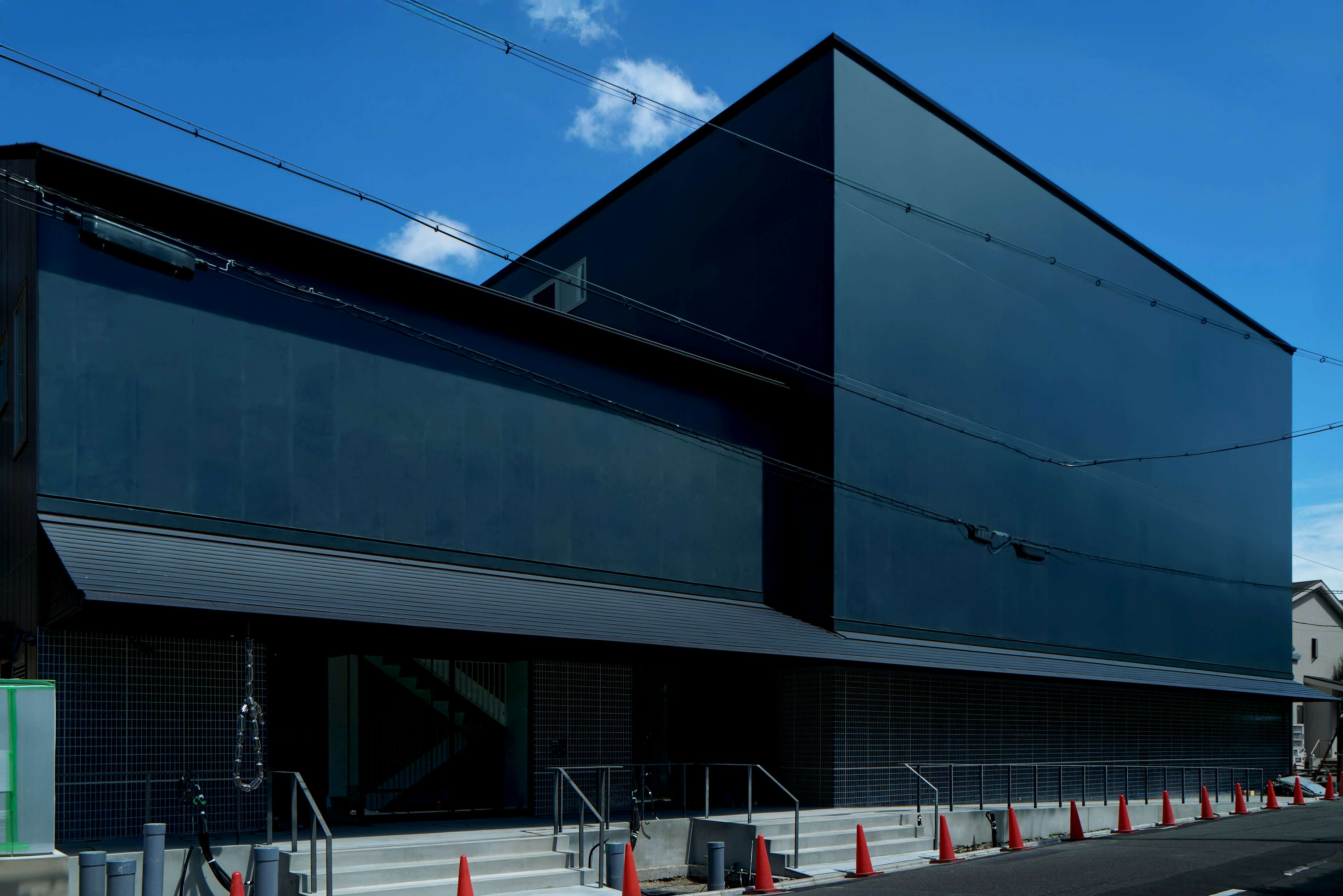
The investment is substantial: OCVIBE chief executive Bill Foltz said the teamLab museum alone represents well over $100 million, making it one of the district's biggest single commitments. The design promises a textured exterior that draws on natural forms and responds to changing light — colourful by day, illuminated after dark, visible from the nearby freeway and set against a surrounding park. The building's design and budget are still being finalised.
What will go inside remains deliberately vague. TeamLab communications director Takashi Kudo said only that new works are in development, adding that art made with digital technology is never truly complete, so returning visitors should expect fresh encounters. The Anaheim space joins a fast-growing network that already spans Tokyo's Borderless and Planets, Kyoto, Osaka, Okinawa and Kyushu, plus Borderless in Shanghai, Massless in Beijing, a Hamburg venue, Phenomena in Abu Dhabi and a Borderless in Jeddah that opened last year.
The expansion comes as the collective's older venues turn over: Planets in Tokyo is scheduled to close in 2027, while a new teamLab Tokyo is planned for Ariake in 2032. The group, founded in 2001, now also has a retrospective on view at the Smart Museum of Art in Chicago — a measure of how far its immersive spectacles have travelled from experimental installations to institutional fixtures.