Museum report·Liverpool
Surrealism Leads Tate Liverpool's £30M Comeback After Three Dark Years
Tate Liverpool will reopen in 2027 after a £30 million redevelopment, launching with Surrealism: Staging Dream Worlds, billed as the first exhibition to trace Surrealism's relationship with theatre, dance and performance. The programme also includes a first major retrospective for Chila Kumari Singh Burman and a new commission from Asad Raza.
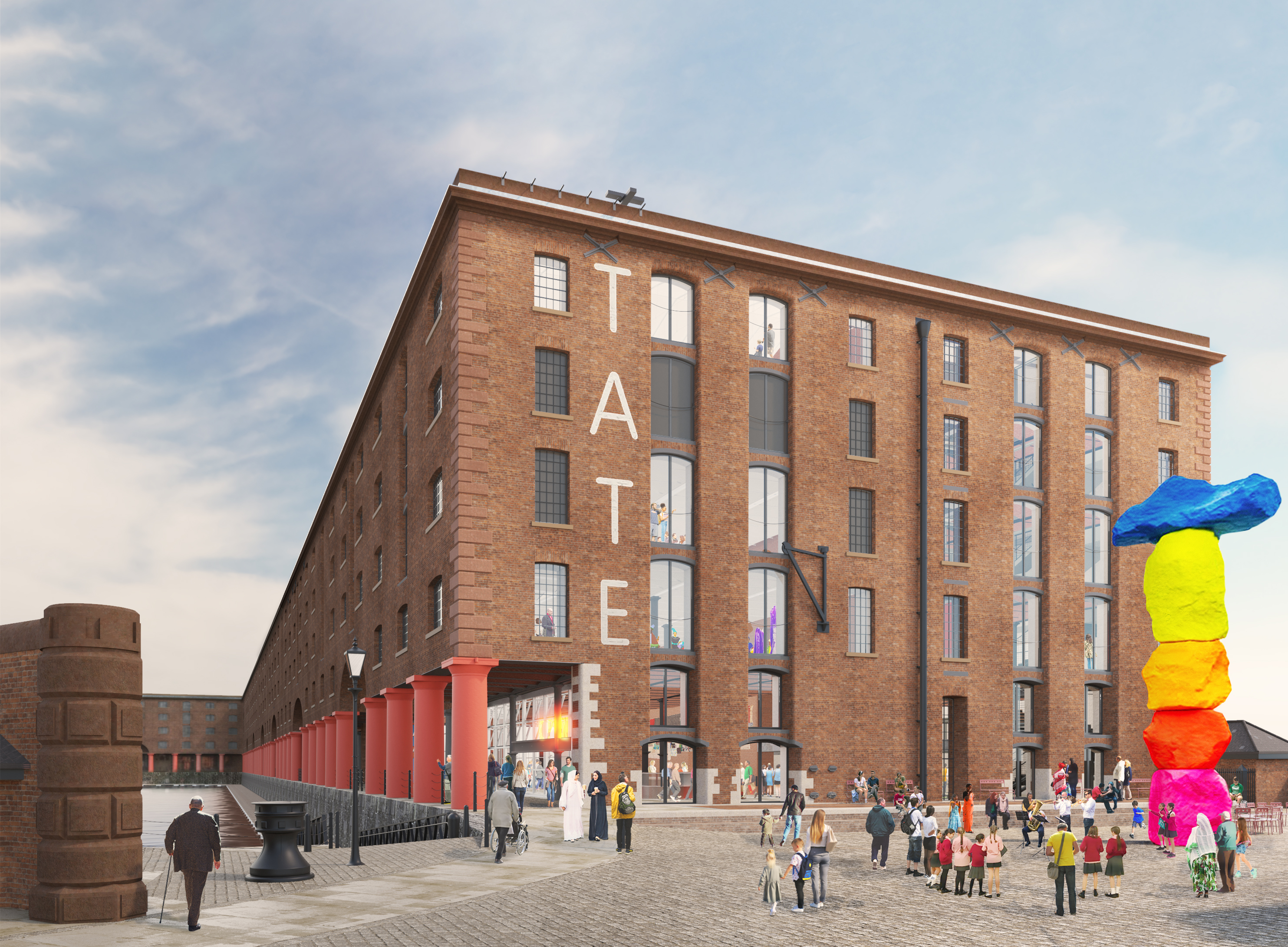
Tate Liverpool has revealed the programme for its reopening next year, after a £30 million redevelopment of its home on the Royal Albert Dock. The gallery, which has been closed since 2023, will return with Surrealism: Staging Dream Worlds, running from autumn 2027 into spring 2028 and described as the first exhibition ever to explore Surrealism's relationship with the performing arts.
The opening show will bring together works by Salvador Dalí, Man Ray and Eileen Agar alongside stage sets, costumes, masks and films, tracing radical artists from the 1920s to the 1990s. It will look at Surrealism's place in theatrical, dance and performance history, including happenings staged by Sheila Legge and Ted Joans, and design work such as Dorothea Tanning's costumes for the 1950 ballet The Witch. The layout itself will borrow from Surrealism's experimental spirit, presenting artworks across a sequence of contrasting environments. The choice of subject deliberately echoes the gallery's inaugural exhibition in 1988, which also showcased Surrealist objects from Tate's collection.
The reopening season extends beyond the headline show. Asad Raza, known for participatory installations, has received the first major commission for the gallery's Art Hall, a space that will double in height as part of the rebuild. The programme also includes the first major retrospective for Chila Kumari Singh Burman, the Liverpool artist whose multidisciplinary work blends Punjabi heritage with pop culture and feminist themes.
The redevelopment, designed by London-based 6a architects, will add more windows with views over the waterfront, larger lifts, a reworked entrance and natural ventilation to improve energy performance. Funding has come from the UK government and private foundations, including £10 million from the Ministry of Housing, Communities and Local Government. The project has been presented as a beacon for cultural regeneration in the north of England, and Steve Rotheram, mayor of the Liverpool City Region, said its impact would stretch beyond art into opportunity and regeneration for the area.