Museum report·Global
Nine Swiss Museums Awarded Funding to Trace Provenance of 6,300 Cameroon Objects
Nine Swiss museums have received SFr100,000 in federal funding to research the provenance of more than 6,300 objects from Cameroon, examining acquisition histories and ownership chains in a two-year project running through 2027–28.
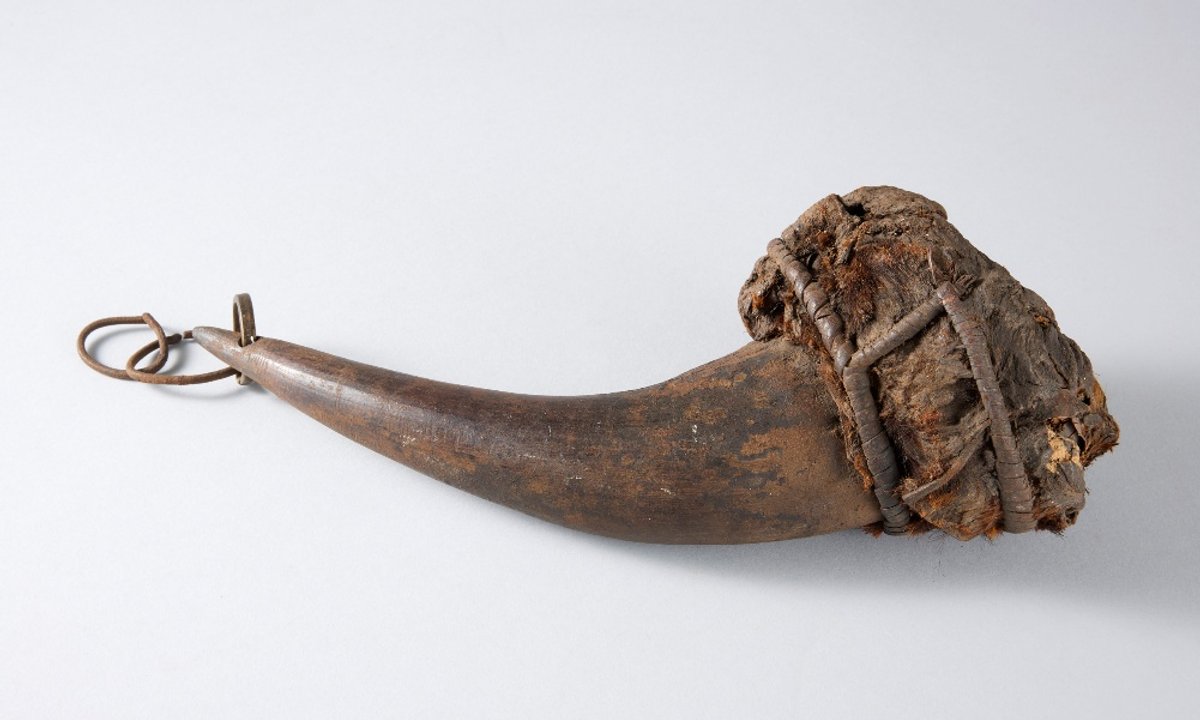
Nine Swiss museums have been awarded SFr100,000 (£91,000) in federal funding to investigate the provenance of more than 6,300 objects from Cameroon held in their collections. The Swiss Federal Office of Culture announced the initiative in a press release on September 29, setting up a two-year research program running through 2027–28 that will examine how the items were acquired, their chains of ownership, and their significance in Cameroon today. The project brings together museums in Basel, Bern, Burgdorf, Geneva, Lausanne, Neuchâtel, Winterthur and Zurich, including the Museum der Kulturen Basel, the Musée d'ethnographie de Genève and the Bernisches Historisches Museum. It is one of the largest coordinated provenance research efforts Switzerland has undertaken, and it reflects growing pressure on European institutions to account for holdings assembled under colonial rule. Isabella Bozsa, a provenance researcher at the Museum der Kulturen Basel, pointed to similar projects already under way in Germany, which have expanded knowledge of what is held in Europe and raised interest within Cameroon itself. She said a 2024 visit by a Cameroonian delegation to several Swiss museums had "highlighted the urgency of conducting research into these collections." Although Switzerland had no colonies of its own, Swiss organizations, companies and individuals were entangled in colonial systems: missionaries from the Basel Mission, active in Cameroon during German colonial rule, played an important role in building Swiss museum collections, while other objects arrived through research expeditions during the French and British mandate periods or were bought on the art and "ethnographica" markets. The funding forms part of the 2025–2028 federal culture program and sits alongside other Swiss provenance initiatives, including research into Nazi-era loot and the repatriation of human remains. For the nine museums involved, the next two years will mean systematic scrutiny of thousands of records — work that could ultimately reshape how these collections are displayed, interpreted, and in some cases returned.