Exhibition preview·Global
Ten Years, 500 Students and Thousands of Paintings: Sun Xun's Hand-Drawn Feature Wins Tokyo Jury Prize
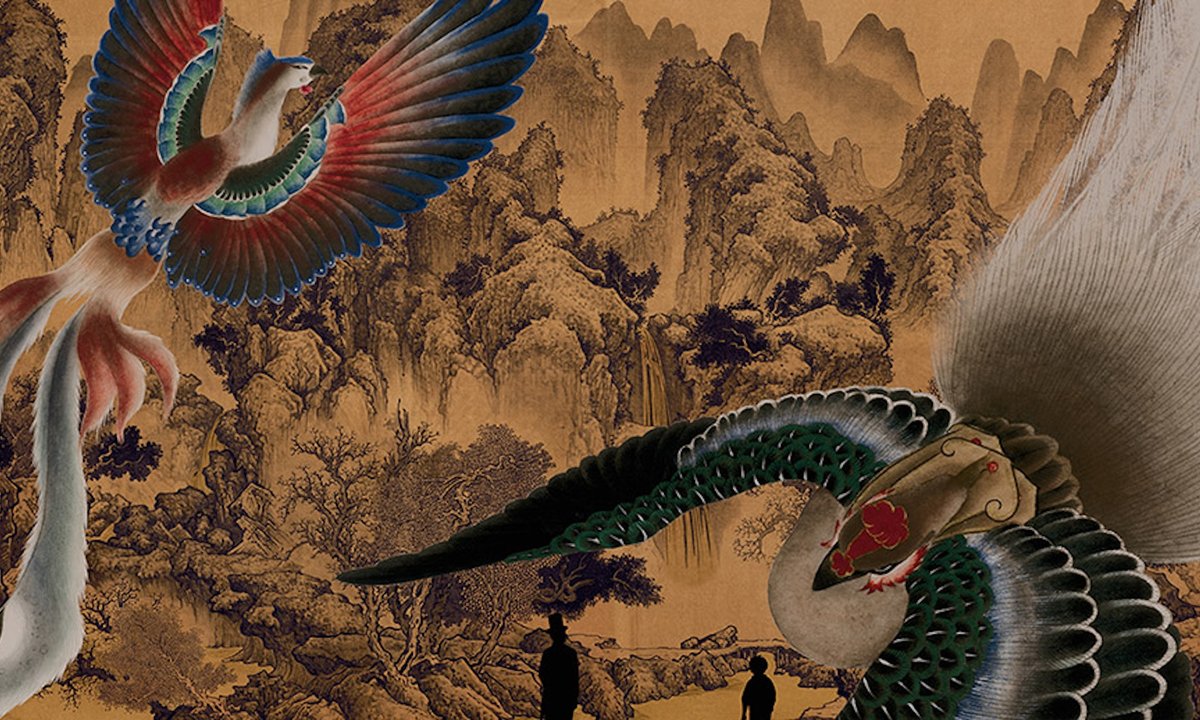
Chinese artist Sun Xun's feature-length animation Magic Atlas, built over a decade from thousands of individual artworks with the help of hundreds of art students, has won a Special Jury Prize at the Tokyo International Film Festival.
Chinese artist Sun Xun spent a decade, working on and off, building Magic Atlas, a feature-length animated film assembled from thousands of individual artworks. The long production has now been recognised with a Special Jury Prize at the Tokyo International Film Festival, where the film was reported to be the first animated feature ever to enter the festival's competition.
Rather than hire a professional animation studio, Sun largely financed the film himself and turned its making into an enormous workshop. Hundreds of art students were employed to produce the frames one by one, with around 500 different students involved over the course of the production. The method makes literal the old compliment paid to beautiful films, that every frame could hang as a painting: in this case each frame genuinely began life as a drawing or a woodcut.
Magic Atlas screened at the Tokyo festival on 27 and 29 October and again on 1 November. Materials from the production, including woodcuts and concept art, have already been shown to the public at the Times Museum in Guangdong, and further presentations are planned in the United States, where Sun is represented by Sean Kelly Gallery.
Early support for the project came from Judith Neilson, the Australian philanthropist and founder of Sydney's White Rabbit Gallery, which focuses on contemporary Chinese art. The prize in Tokyo caps a ten-year undertaking that depended as much on patient, collective handwork as on any single image, and it puts a painter's approach to cinema in front of a festival audience.