Museum report·Leeds
Steve McQueen's Resistance brings a century of protest photography to Leeds
Leeds Art Gallery has opened Steve McQueen: Resistance, How Protest Shaped Britain and Photography Shaped Protest, a touring exhibition conceived by the artist and filmmaker, running 6 November 2026 to 25 April 2027.
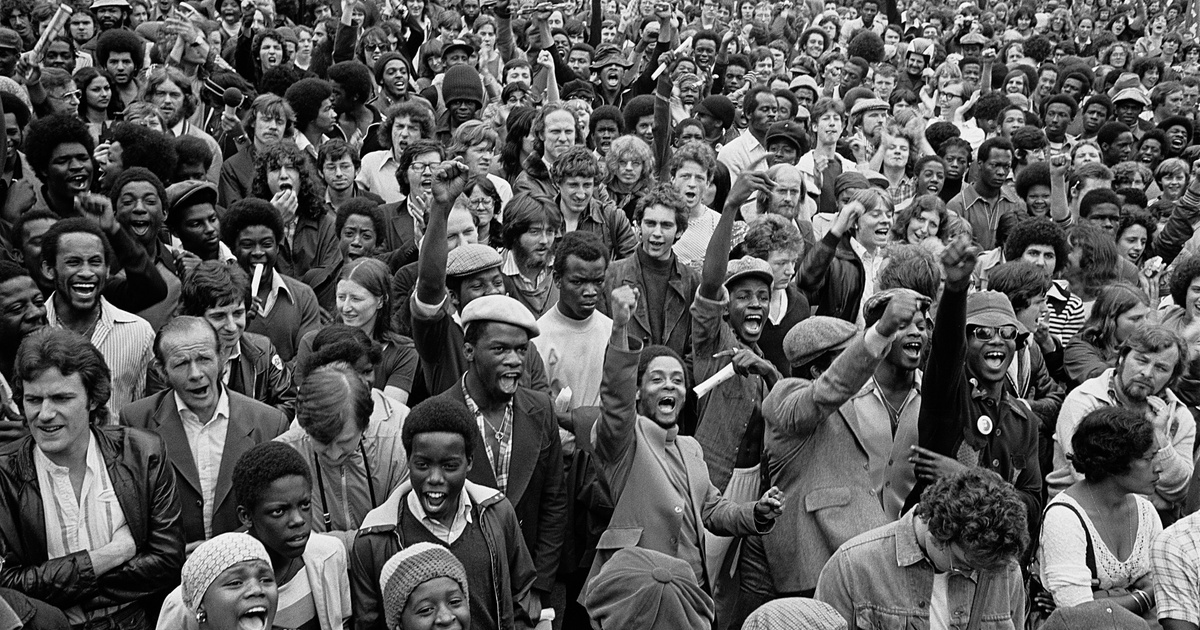
Leeds Art Gallery has opened Steve McQueen: Resistance, How Protest Shaped Britain and Photography Shaped Protest, an exhibition conceived by the artist and filmmaker Steve McQueen and curated in collaboration with Clarrie Wallis and Emma Lewis of Turner Contemporary. It runs from 6 November 2026 to 25 April 2027.
The exhibition traces a century of activism, from the radical suffragettes of 1903 to the march against the Iraq War in 2003, the largest protest in British history. It brings together around 200 photographs by figures including Vanley Burke, Henry Grant, Fay Godwin, Edith Tudor-Hart, Tish Murtha, Humphrey Spender, Christine Spengler, Andrew Testa, Paul Trevor and Janine Wiedel, alongside less-known photographers who documented the same struggles.
Resistance is the culmination of a four-year project, made possible by the Ampersand Foundation Award 2023, and is accompanied by a major publication compiled by McQueen and edited by Wallis with Sarah Harrison, published by 4th Estate. The show argues that photography did not only record protest but helped to shape it: grassroots photographers and community activists used the camera to build their own narratives and solidarity networks.
Leeds is the exhibition's northern England venue, following presentations at Turner Contemporary in Margate from 22 February to 1 June 2025 and the National Galleries of Scotland: Modern Two in Edinburgh from 21 June 2025 to 4 January 2026. The news was announced by Thomas Dane Gallery, which represents McQueen, on 5 November.
McQueen won the Turner Prize in 1999 and went on to direct the Oscar-winning film 12 Years a Slave in 2013, but Resistance returns him to his roots as an artist working with photography and the archive. The exhibition's argument is that protest and photography shaped each other: the camera gave movements a way to be seen, and the movements gave photography a purpose beyond record.