Market dispatch·New York
Roman imperial marble torso leads Sotheby's October 21 Magnum Opus evening sale
Sotheby's will offer a Julio-Claudian Roman marble torso, one of the rarest antiquities ever to come to market, as the centerpiece of its October 21 Magnum Opus evening auction in New York, a cross-category sale organized in four thematic chapters.

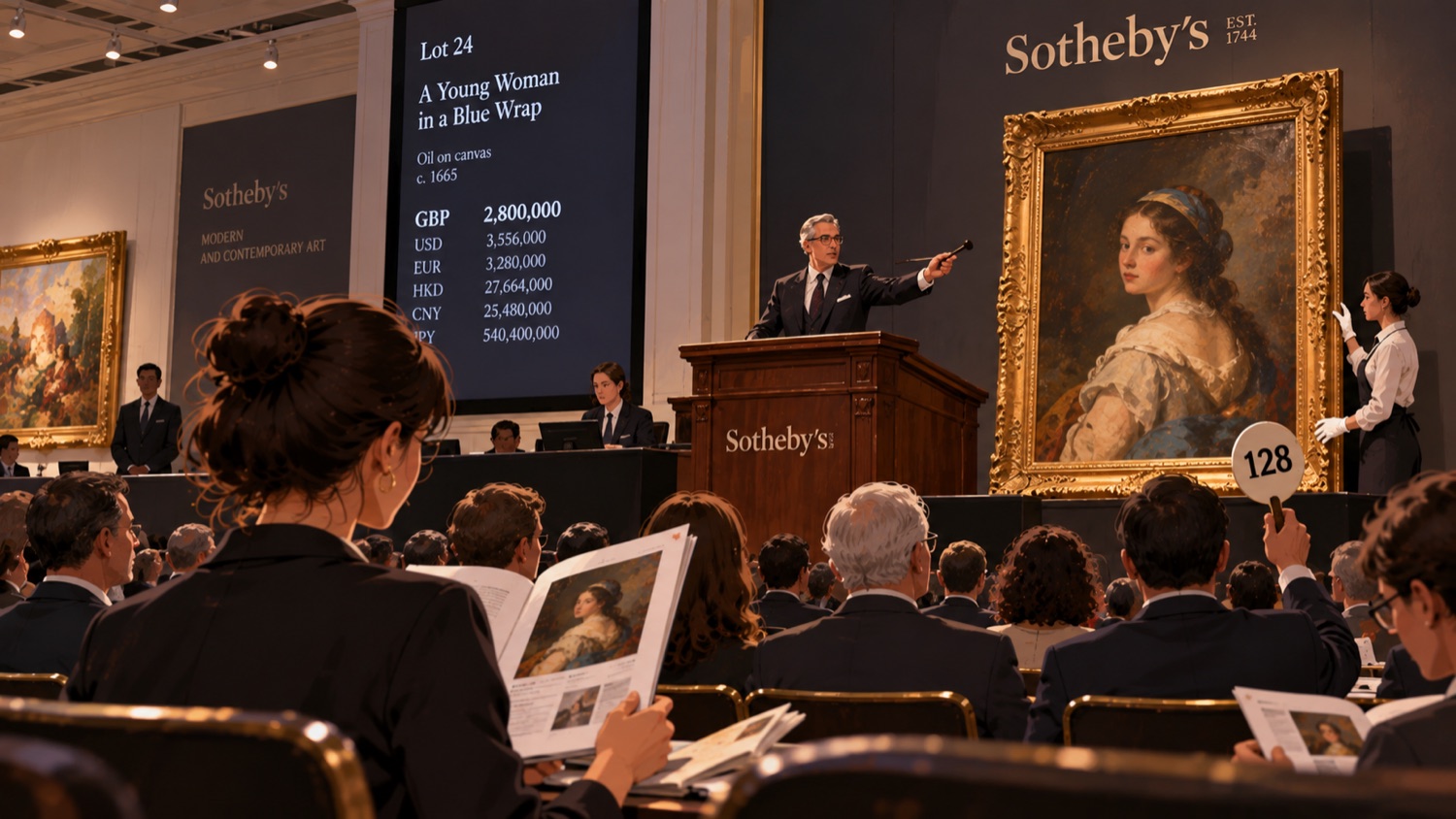
Sotheby's New York will open its Magnum Opus evening auction on October 21 at 7pm Eastern, presenting a cross-category private collection of fine art, ancient sculpture, Islamic works of art, courtly carpets, furniture and decorative arts in four thematically organized chapters. The standout is an extraordinary Roman marble torso from the Julio-Claudian period, circa 27 BC to AD 68, carved from celebrated Parian marble. Originally erected in one of the twin temples at the Forum of Salona in Dalmatia, modern-day Croatia, the monument survives with its ornament largely intact and stands among the rarest Roman sculptures ever to come to market. The cuirass unfolds a dense programme of imperial propaganda: Sol, the sun god, at its summit beneath paired Victories displaying the abandoned armor of defeated enemies, with ram's heads and feline masks worked into the relief. Comparable examples sit almost exclusively in major museum collections. By breaking the collection into thematic chapters rather than traditional departments, Sotheby's is leaning into a collector's instinct for dialogue across disciplines, and the sale doubles as a test of appetite for museum-grade antiquities alongside contemporary buying patterns in New York's October season. The torso's biography reads like a history of empire. It once stood in one of the twin temples at the northeastern corner of the Forum of Salona in Dalmatia, dominating the civic space of a newly conquered Roman province, with separately carved limbs and a portrait head that could be updated as successive rulers took power. Sotheby's has framed the whole collection as four interconnected chapters organized around unifying themes rather than departmental categories, from antiquity and Islamic art to carpets, furniture and decorative arts, mirroring the collector's instinct for dialogue across disciplines.