Museum report·Rome
Rome Plans a Museum for a Mussolini-Era Painter — and Historians Warn Against Whitewashing Fascism
Italy plans to open a state museum in Rome dedicated to Mario Sironi, a Modernist who supported Mussolini, inside a monumental fascist-era building. Two leading historians have warned the project risks sanitising Italy's fascist past.
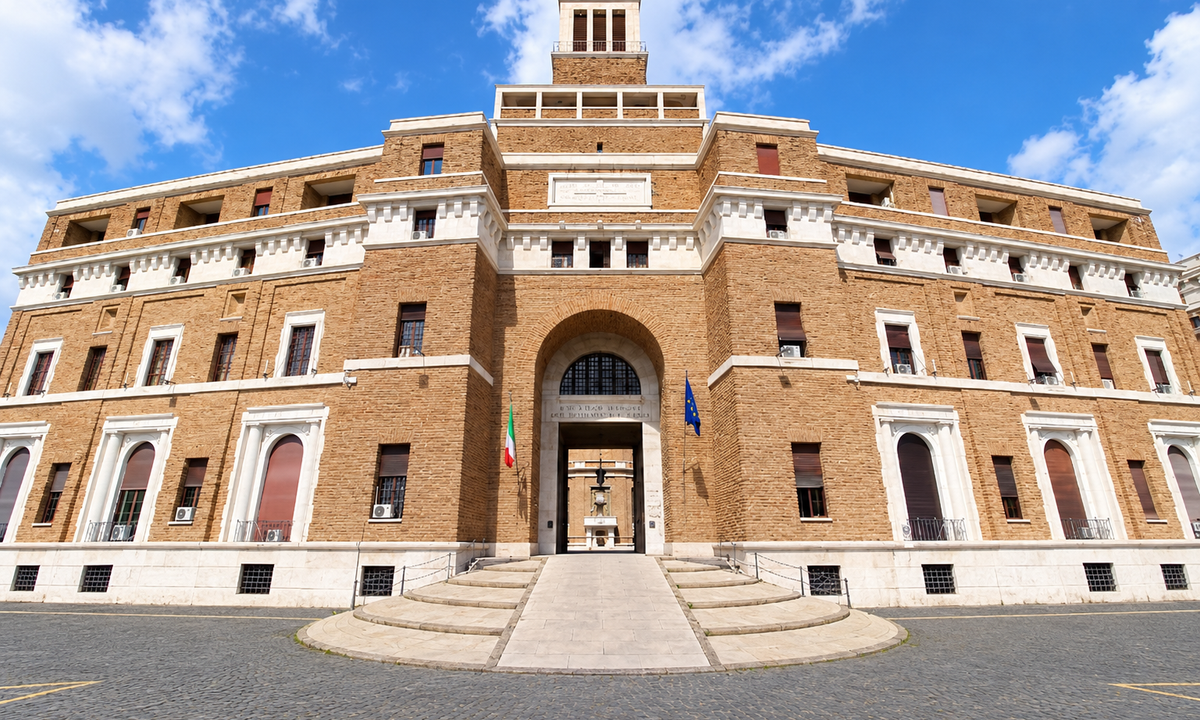
Plans by Giorgia Meloni's government to open a new museum in Rome dedicated to Mario Sironi, the Modernist painter who was a supporter of Benito Mussolini, risk sanitising Italy's fascist past, two leading historians have warned. The state-run museum is expected to open next year inside the headquarters of the National Association of War Disabled and Wounded Veterans, a monumental fascist-era building inaugurated in 1928.
The museum will display thirty works recently acquired by Italy's culture ministry from the Mario Sironi Archive in Rome, including paintings, drawings and preparatory sketches. Unveiling the plans on Tuesday, culture minister Alessandro Giuli described the project as the defining achievement of his term in office, and the one of which he is most proud. The display will span more than four decades of Sironi's work, from the 1910s to the 1950s, covering his Futurist phase, metaphysical-influenced works and the monumental commissions he received under the fascist regime.
The historians' warning touches on a live debate in Italy about how the country's fascist heritage should be presented in public institutions. Sironi was not a marginal figure under Mussolini: his large-scale murals and public commissions made him one of the regime's most visible artists, and his work was closely bound up with its propaganda. A museum devoted to him, housed in a building that is itself a monument of fascist architecture, risks presenting that history as heritage without reckoning, the critics argue.
The announcement comes as the government leans further into the period's legacy. On Thursday, key members of Meloni's government presented a new exhibition celebrating the ninetieth anniversary of the EUR district in Rome, the city's grandest example of fascist-era planning. Together, the two projects suggest a government increasingly comfortable commemorating the aesthetics of the Mussolini years — and a cultural establishment increasingly uneasy about it.