Exhibition preview·Makati
Silverlens Manila pairs woven abaca sculptures with photochemical paintings
Silverlens Manila opens two solo shows on 21 November: Patricia Perez Eustaquio's Pearls for Knives, woven abaca sculptures on trade and colonial history, and Antonia Kuo's A New Sun, photochemical paintings on memory.
Silverlens in Manila opens two solo exhibitions on 21 November, pairing a Filipino artist's woven sculptures with a New York-based artist's photochemical paintings. Patricia Perez Eustaquio's Pearls for Knives and Antonia Kuo's A New Sun both run until 19 December at the gallery's Makati space. The two shows share an interest in materials that carry history, fibre, rattan and wire on one side, light-sensitive photographic surfaces on the other, and in what those materials remember.
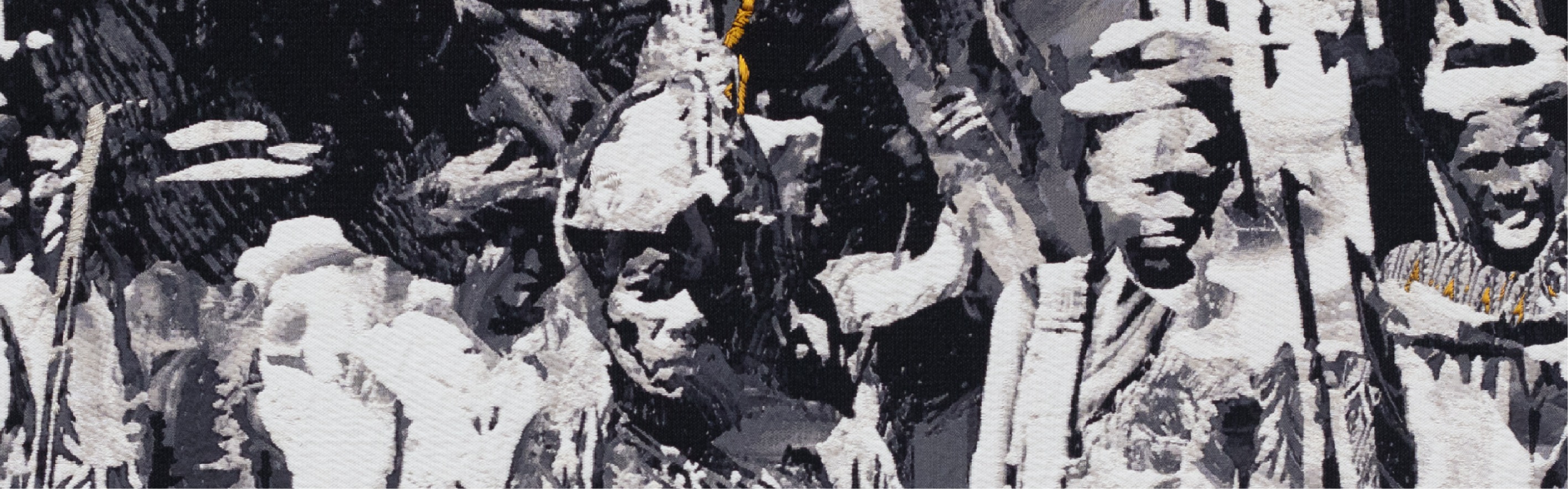
Eustaquio's title reaches back to the prehistoric economy of the Philippines, when natural pearls from Sulu were bartered for metalware and weapons. The exchange becomes a way of asking what gets traded, who decides what is valuable, and what indigenous knowledge is forgotten in the process; it is also a sharp twist on the saying about pearls before swine, recast as a question of who gets the better deal when something rare and organic is surrendered for an instrument of coercion. The show extends the Fountains series she began in 2024, with towering hand-woven sculptures made from abaca, a coarse plant fibre usually put to commercial use, woven into forms that mimic moving water.
Alongside the abaca works, Eustaquio shows a flexible chainmail-like piece made from large interlocking polished rattan rings, a form borrowed from traditional defensive armour and remade as something that can be draped and left unguarded, and a parasol-shaped sculpture built from a single unbroken strand of wire looped into a scalloped mesh. Kuo's A New Sun, her debut solo presentation with the gallery in Manila, takes a different route to the same questions: photochemical paintings that point to the volatile, unfixed nature of memory and images. In a conversation published by the gallery on 18 November, Kuo speaks about the intersections of photography, painting and photochemical process, and about how material experiment and personal experience shape her latest work.