Exhibition preview·New York
Sherrie Levine brings historic collages and a first bronze Horse Skull to Galerie Buchholz in New York
The artist's second solo show with the gallery, and her first in its New York space, pairs 1979 After Andreas Feininger collages with new works through January 16.
Galerie Buchholz has opened a solo exhibition by Sherrie Levine at its New York gallery on West 54th Street, where it runs until January 16, 2027. The show opened on November 11 with a reception from 6 to 8pm. It is Levine's second solo exhibition with the gallery and her first in its New York space.
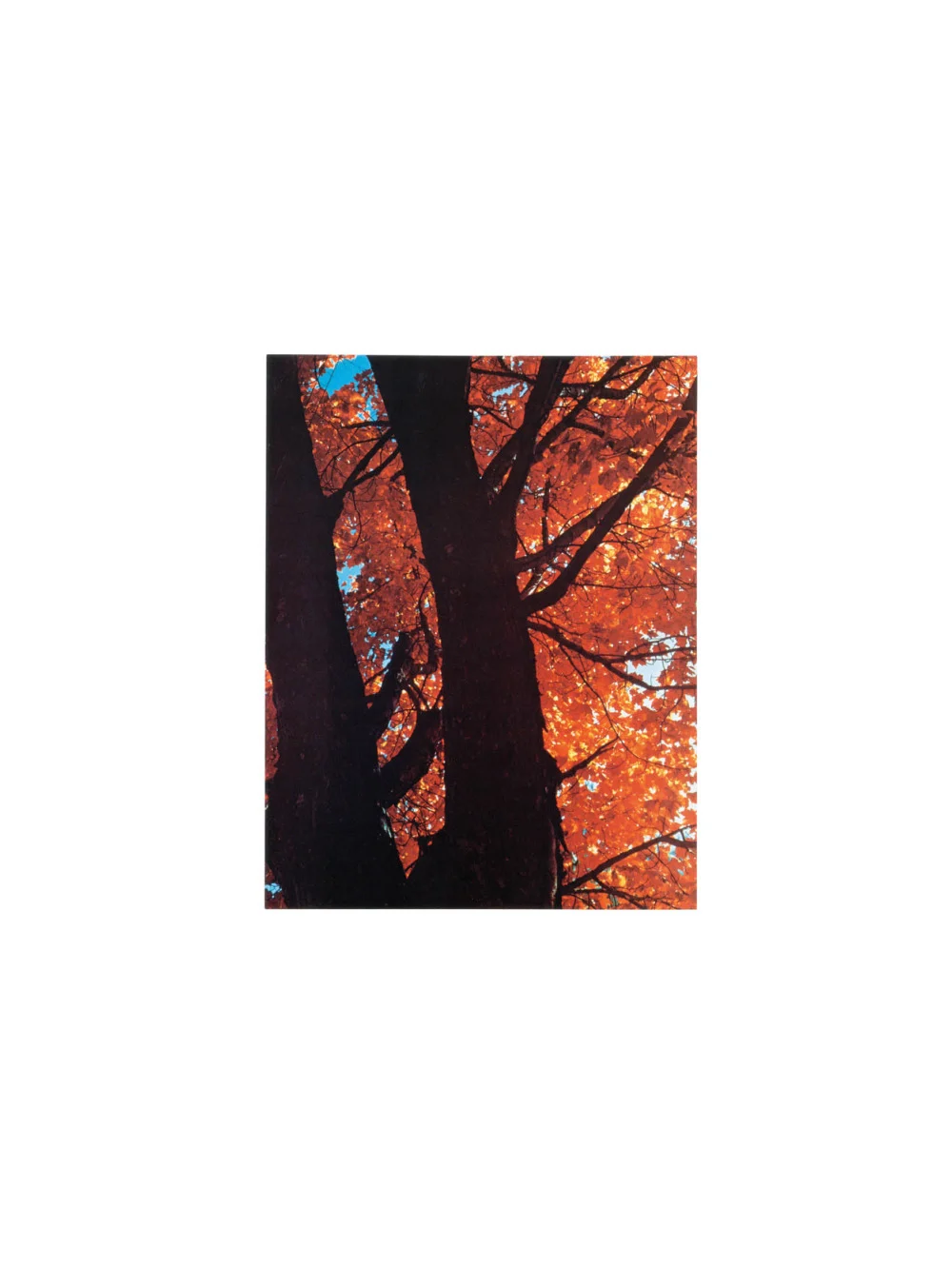
The presentation looks both backward and forward. Its earliest works are collages from 1979 made after the photographer Andreas Feininger, examples of the appropriation strategies that made Levine's name. Alongside them hang new pieces, including Horse Skull, a 2026 work that is her first sculpture in white-patinated bronze.
Levine emerged in the late 1970s as one of the central figures of appropriation art, re-presenting existing photographs, paintings and objects in ways that questioned authorship and originality. Her rephotographs of Walker Evans, first shown in 1981, remain among the most discussed works of that moment. The Buchholz show sets that history against new work made nearly five decades later.
The pairing gives the exhibition its shape: early collage on one side, new bronze on the other, with the gallery's New York rooms holding both. For a practice so often described through a single famous gesture, the show is a reminder of how long Levine has been working, and how varied the work has remained.
Levine's work is held in the collections of the Museum of Modern Art, the Whitney Museum and the Metropolitan Museum in New York, and her reworking of existing images has been a reference point for generations of artists since. The Buchholz exhibition is a chance to see that history in the round: not only the famous rephotographs, but the collages and objects that surrounded them, and the new work she is making now.