Museum report·New York
Swedish Sculptor Sergel Gets His First Major Show Outside Europe at the Morgan
Fantasy and Reality: The Art of Johan Tobias Sergel opens at the Morgan Library & Museum on 30 October 2026, the first major exhibition devoted to the Swedish Neoclassical sculptor outside Europe, running until 31 January 2027.
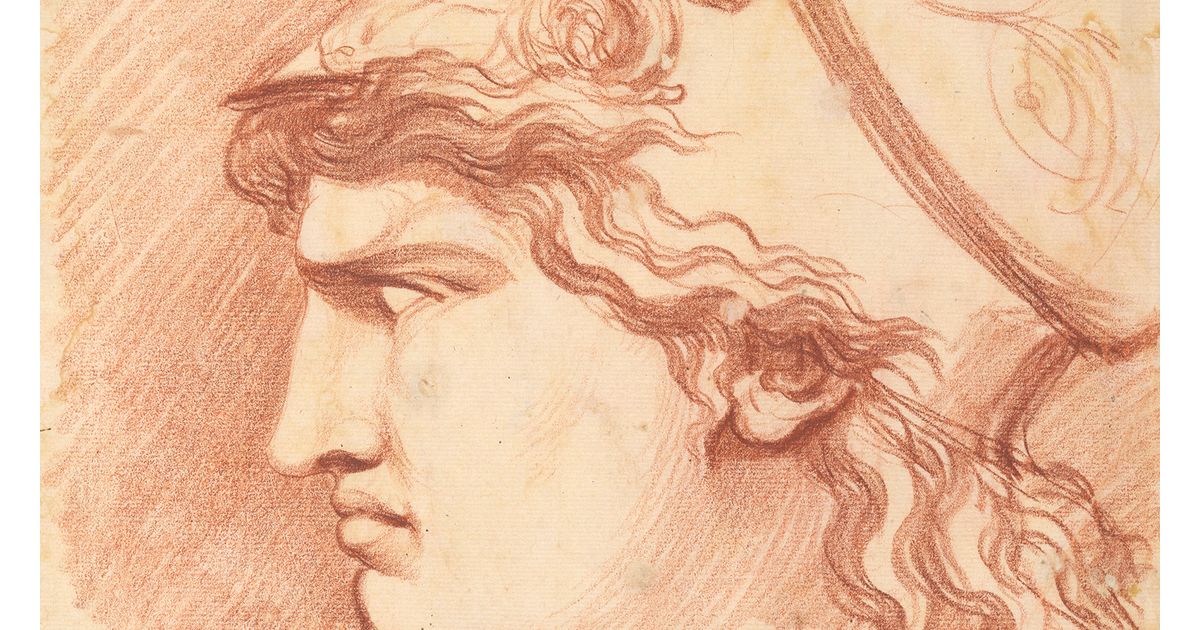
He was once hailed as the greatest sculptor since antiquity, yet outside Sweden his name has largely slipped from view. Fantasy and Reality: The Art of Johan Tobias Sergel, which opens at the Morgan Library & Museum in New York on 30 October 2026, aims to change that. Organised by Nationalmuseum in Stockholm, it is the first major exhibition devoted to Sergel outside Europe, and a smaller version of the show the Swedish museum presented during spring and summer 2026. It runs until 31 January 2027.
Johan Tobias Sergel, who lived from 1740 to 1814, was one of Sweden's most important artists and a leading figure of European Neoclassicism. The Morgan presentation gathers sculpture in terracotta, marble, bronze and plaster together with a large group of his drawings, in which his skill as a draughtsman is given full weight. Self-portraits sit alongside works that illuminate his friendships, his relationship with King Gustav III and the Stockholm court, and his life with his common-law wife, Anna Rella Hellström.
The centrepiece is Sergel's first major marble, The Faun, shown with the preparatory drawings, clay model and related bronze that chart its progress from first idea to finished sculpture. Two terracotta versions of Cupid and Psyche appear nearby, and drawings by Sergel's friends and contemporaries, including Henry Fuseli, Jacob Philipp Hackert, George Romney and François-André Vincent, set his work in the artistic circles in which he lived.
For American audiences, the exhibition is an introduction to a sculptor whose reputation in his own lifetime crossed the whole of Europe before fading from the broader story of art history. The Morgan, with its deep holdings of drawings, is a fitting place for that reintroduction, since it is on paper that Sergel's imagination, humour and fantasy are most vividly on display.